Body cells use oxygen to transfer energy stored in food to a usable form. This process, which is called cellular respiration, allows the cells to harness energy to perform vital functions such as powering muscles (including involuntary muscles such as the heart) and the movement of materials into and out of cells. Without oxygen in the body, cells can function for a limited period; long-term oxygen depletion leads to cell death and eventually death of the organism.
Glycolysis in Respiration
Cells use oxygen to assist in cellular respiration. This type of respiration, called aerobic cellular respiration, converts stored energy into a usable form, chiefly by reacting glucose and oxygen through an intermediate. The first stage of aerobic cellular respiration, glycolysis, can be performed without oxygen. However, if oxygen is not present, cellular respiration cannot continue past this stage.
In glycolysis, glucose is converted to a carbon-based molecule called pyruvate. Two molecules of adenosinse tri-phosphate (ATP), a nucleotide that provides energy to cells, are generated during this process.
Pyruvate is further broken down into loose carbon and hydrogen, which can combine with oxygen to create carbon dioxide and NADH (an electron transport molecule). If oxygen is not present, the broken-down pyruvate goes through a process called fermentation, which produces lactic acid.
Electron Transport Chain
Oxygen is important to the third step of the aerobic cellular respiration cycle. During this step, electron transport molecules carry electrons to the cells, where they are harvested and used for ATP production. After the electrons are used, they combine with oxygen and hydrogen to form water and are eliminated from the body.
If oxygen were not present during this step, electrons would build up in the system. Soon the electron transport chain would become clogged and ATP production would cease. This would lead to cell death and the death of the organism.
Hemoglobin in the Blood
Hemoglobin, or red blood cells, are primarily transporters of oxygen. These cells receive oxygen as air is breathed in through the lungs. Oxygen binds itself to these cells, which then carry it to the heart. The heart circulates the oxygenated blood to cells throughout the body in the process of cellular respiration.
Temporary Deprivation
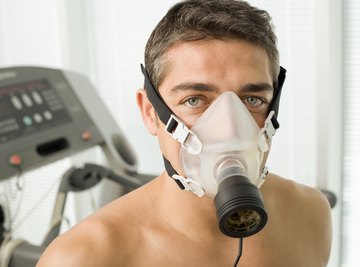
When exercising, the body may deplete oxygen faster than it can be taken to the cells. This causes a temporary oxygen deprivation. Muscle cells can perform anaerobic (airless) respiration for a limited amount of time when this happens. Anaerobic respiration generates lactic acid, which builds up in the muscles, causing cramping and fatigue.
Deprivation and Death
If cells are deprived of oxygen for a long period, the organism cannot survive. Electrons build up in the electron transport system, halting the production of ATP. Without ATP, cells cannot perform vital functions such as keeping the heart beating and the lungs moving in and out. The organism will soon lose consciousness and will die if oxygen is not quickly restored.
References
About the Author
Jack Ori has been a writer since 2009. He has worked with clients in the legal, financial and nonprofit industries, as well as contributed self-help articles to various publications.
Photo Credits
IT Stock/Polka Dot/Getty Images