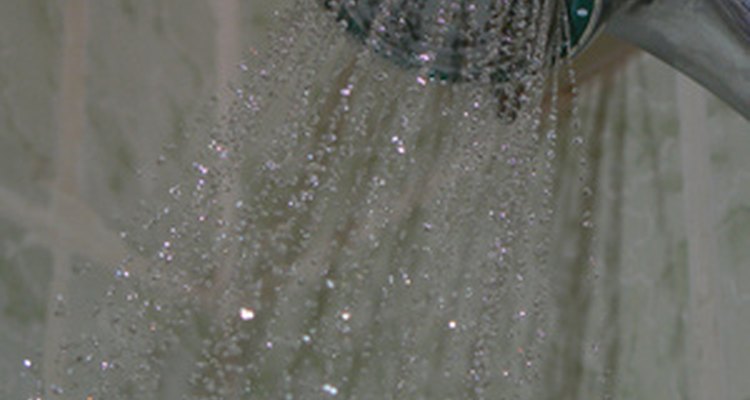
Normally you take your shower in warm to hot water. When you run out of hot water, your need for a shower does not diminish. Showering in cold water is not an ideal situation for most people, yet learning how to quickly accomplish a shower in cold water helps you get through those mornings when you have run out of hot water but must take a shower anyway.
Turn the shower on, and check the water pressure. You want the highest water pressure available so that you can quickly rinse your body and hair.
Step into the shower and get wet from head to toe. Move quickly so that you do not have to stand under the shower head any longer than necessary.
Move out of the stream of water. Try to point the shower head away from you as much as possible. Put shampoo in your hair, and scrub as you normally would. Step back into the water and rinse your hair. Move back out of the water.
Apply conditioner to your hair, and wash your body with soap as you would in a warm shower. Rinse your washcloth or loofah before you move the water stream back towards your body.
Readjust the shower head so that the water is hitting your body again. Quickly rinse the soap off your body, and rinse the conditioner out of your hair. Immediately turn the water off, and grab a towel.
Related Articles

Can You Tighten Facial Skin With Cold ...

How to Gargle With Sea Salt

How to Soak New Boots in Water
Homemade Clothes Steamer

How to Cook Frozen Dumplings With a ...

How to Steam a Hotdog Bun
How to Clean a Philips Norelco Shaver

How Much Water Should I Drink While ...

How to Take Wrinkles Out of a Vintage ...

Can the Neck Be Exfoliated?

Steaming a Chiffon Wedding Dress
The Easy Way to Remove Wrinkles From ...

How to Remove Acne Scars With Water

How to Get Wrinkles Out of Nylon ...

How to Wash Out an Ear With Warm Water

How to Cut the Hairs on the Back of a ...
How to Pin Ears Back at Home

How to Make a Dead Sea Mud Body Wrap at ...
How to Purify Water With Hydrogen ...
How to Make Marshmallow Creme Smooth ...
Photo Credits
Shower image by Semfamily from Fotolia.com