



Certain types of foods you eat can cause more rapid weight gain than others. Quick identification of these food types is critical to your grocery shopping and diet habits. Raising your personal awareness on these food types will allow you to avoid or incorporate them into your diet depending on your own person weight goals.
Types
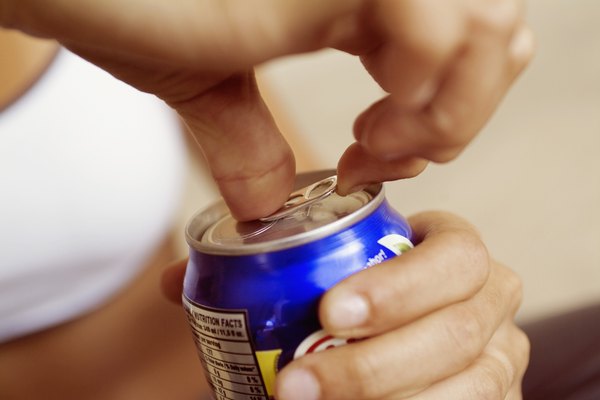
Foods that cause the most rapid weight gain can be divided into two major categories that involve high amounts of either sugar, fat or sodium. High sugar foods involve simple carbohydrates that are used for quick, easily absorbable calories (energy) by the body. Sugary foods like sodas, candy, pastries and cookies are included in this category. Foods that contain high amounts of sodium cause the body to retain water and are also known to make you gain weight quickly. Some of these foods include salt, highly processed foods, canned goods and bacon. Fatty foods like cream-based soups, saturated fats and fatty meats also cause rapid weight gain.
Significance

While some fatty foods such as fish and nuts can have beneficial ingredients like omega-3 fatty acids and antioxidants, most rapid-weight-gaining foods don’t. High sodium foods cause the body to retain larger amounts of water. This can result in bloating or large amounts of water gain within the body. Simple carbohydrates are quickly absorbed and, if they are not used in a short amount of time, are stored. This means that if you don’t immediately convert a candy bar you eat into energy through movement, it will be stored very quickly. Simple sugars don’t have to be broken down and are readily available for immediate energy and storage.
Considerations

Rapid weight gain from food is typically bad for your health. Foods like chili cheese fries, ice cream, white bread and others can slow your metabolism, clog arteries and put you at a higher risk for certain diseases. Processed foods such as canned food, white flour goods and foods including large amounts of preservatives typically don’t provide good nutritional value. That means that when you eat these foods, much of what you get is empty calories that put on weight quickly.
Misconceptions
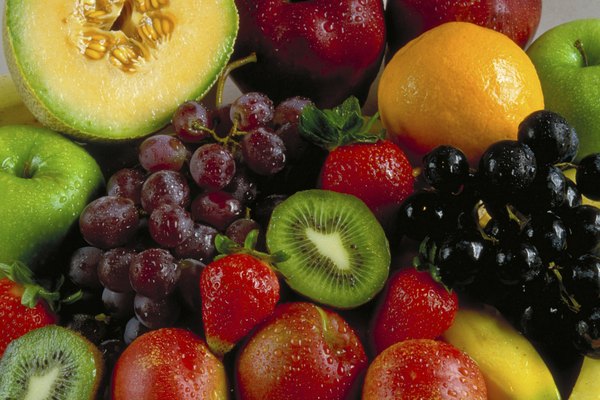
You wouldn’t be alone if you thought that high doses of fruits in your diet is a good thing. While five servings of produce are recommended on a daily basis by the American Heart Association, 80 percent of that should be from vegetables. Too much fruit can provide your body with too much natural sugar, such as fructose. While too much of any food and not enough exercise can cause rapid weight gain, eating fresh fruits and vegetables that don’t include added sugar or sodium is better than eating their packaged counter-parts. This means that fruit preserved in syrup and fruit juice, and even canned vegetable options are not the best choices.
Warnings
Rapid weight gain by eating foods high in sodium and sugar can put you at a higher risk for heart disease, stroke, high blood pressure and diabetes. The sudden spikes in blood sugar that many of these foods provide are another reason that those of you with diabetes should avoid eating them. Eating foods high in fiber such as whole oats, grains, legumes and wheat is a healthier option. Lean proteins from soy beans, fish and lean cuts of meat are better for you than fattier sources.
References
Image Credit
Ablestock.com/AbleStock.com/Getty Images