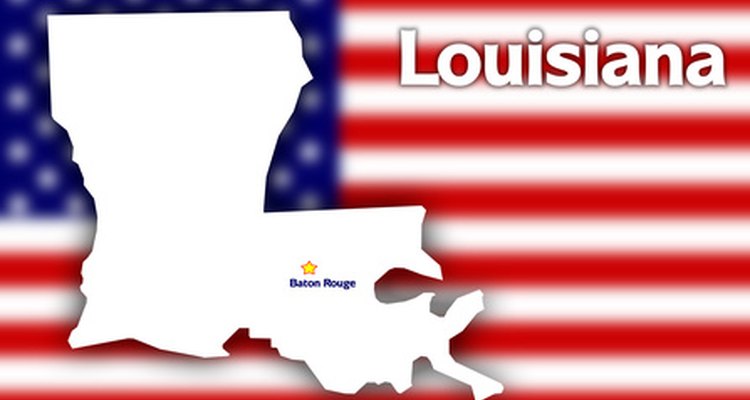
Swinging is an alternative lifestyle that is enjoyed by consenting adults who share similar personalities and interests. This adult-oriented practice can be considered taboo and illicit to some, but this is a lifestyle that is enjoyed safely by many in the New Orleans area. Because of this, certain venues, couples clubs and organizations have been established in the area to accommodate those who are interested.
Jasmine Private Club
The Jasmine Private Club is a member’s only establishment that caters to couples and single individuals. The venue provides a safe and secure environment in which two or more consenting adults can meet and get to know each other. No alcohol is served on the premises, but responsible guests can bring their own. The Jasmine Private Club also hosts regular special events for its members, including theme and holiday parties. The club’s gift shop, the Jasmine Shoppe, offers lotions, movies, books, music, candles and adult novelties. The venue is located in downtown New Orleans near the French Quarter. Single women are admitted into the club free of charge.
Jasmine Private Club 213 Baronne Street New Orleans, Louisiana 70112 504-585-1870 jasmineprivateclub.com
Colette
Colette is a member’s only swingers club that accepts memberships from couples and singles. The venue provides 9,000-square feet of space that includes a dance floor, lounge area, private rooms and group accommodations. Colette does not serve alcohol, though patrons are allowed to bring their own. VIP memberships, which grant free entrance to the club, are also available for patrons who are interested. The dress code at Colette strictly forbids bandanas of any kind, ball caps, running shoes and shorts.
Colette 822 Gravier Street New Orleans, LA 70112 504-588-1517 coletteneworleans.com
4-C Socials
4-C Socials is located just 15 minutes outside of New Orleans in the city of Westwego. The club was originally founded in 1993 as the Crescent City Couples Connection and is a member of the National Association of Swing Clubs of America, also known as NASCA. The club does require a paid membership to participate, and is strictly limited to couples. Single individuals are not granted membership to the 4-C Socials. Organized parties and events on behalf of the 4-C Socials are held at the Travel Inn Plaza, a local area hotel, and include a live DJ and snacks. No alcohol is provided at events held by the 4-C Socials, but guests are allowed to bring their own beverages.
4-C Socials P.O. Box 207 Westwego, Louisiana 70096 504-201-5480 4csocials.com
Related Articles
18+ Dance Clubs in Seattle

Dance Clubs in Michigan for 18 & Under
Family Friendly Vacation Ideas in Mexico

Ideas for Adult Birthday Parties in ...
Night Clubs in Chicago That Offer Free ...

Dance Clubs for Teens in Chicago, ...

Can Kids Go to Dave and Busters?

Places to Go for a Baby Shower in the ...

Keebler Club Crackers Nutrition ...

How to Start a Men's Social Club

Beaches Near Greenville, North Carolina

Hall Rentals in Bowie, MD

Ideas for Social Committees

Who Can Legally Perform Marriages in ...

Places for a Sweet Sixteen in ...

Places to Have a Birthday Party for a ...

Black Dance Clubs in Atlanta
Different Types of Liquor Licenses

How to Start a Booster Club With Parents
Income Limits for Food Stamps & ...
References
Photo Credits
Louisiana state contour against blurred USA flag image by Stasys Eidiejus from Fotolia.com