What Are the Treatments for Blood Blisters?
Blood blisters form when the skin gets pinched causing a small amount of blood to gather under the skin like a bubble. Most often occurring on the feet, they can be painful, but proper treatment will ensure minimal pain and healing time
-
Treat Immediate Pain
-
There's not much you can do to remedy the pain caused by a blood blister. The good news is that the pain is relatively short-lasting and usually comes from the actual injury that created the blood blister in the first place. Try elevating the injured body part and applying a cold pack until the pain lessens and you can treat the blister.
Draining the Blood
-
The proper draining of a blood blister can decrease the risk of infection and help speed the healing process. It is important to leave the top layer of skin over the blister--do not break it open. Using a sharp pin that has been sterilized, poke through the bottom portion of the blister and allow the blood to drain. Some people also prefer to clean the blister area with rubbing alcohol to further reduce the risk of infection.
-
Use of Antiseptics
-
Using an antiseptic after draining the blister is a highly effective method of preventing infection and quickening the healing process. Wait until the blister is completely drained and has dried before applying the antiseptic.
Dressing a Blister
-
The final step of the recovery process is keeping the blister covered with a bandage and continuing to keep a clean bandage on until the blister is fully healed. Change your bandage at least once a day.
Prevention
-
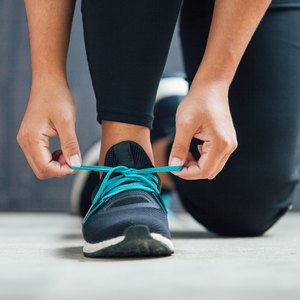
Taking a few precautions can prevent future blood blisters. To protect against blisters from using machinery or tools, wear the proper protective gear to save skin from getting pinched or rubbed back and forth. Another form of protection is using moleskin on a susceptible area to protect from excessive rubbing. For blood blisters on the feet, common among runners, wear double-layer socks that will absorb the moisture away from the feet.
-