Home Sweet Home
Hacks, Tips & Tricks
Squeaky Clean
DIY Decor
Carpentry & Remodeling
Maintenance & Repair
Green Thumb
All Home Sweet Home
Chow Down
Main Dishes
Sweet Treats
Snacks
Copycat Recipes
Drinks & Cocktails
Sides & Appetizers
Veggie Faves
Food Hacks
All Chow Down
Get Crafty
Sew Simple
Fun Crafts
Art Projects
All Get Crafty
Let’s Celebrate
Valentine's Day
St. Patrick's Day
Easter
Mother's Day
Father's Day
4th of July
Back to School
Halloween
Thanksgiving
Christmas
New Year
Weddings
Baby Showers
Birthdays
Parties & Events
Gifts
All Let’s Celebrate
JOIN OUR NEWSLETTER
JOIN OUR NEWSLETTER
Home
Let's Celebrate
Easter
Easter
By
Sharon
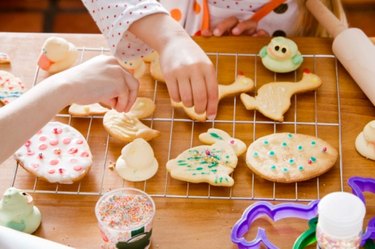
Peeps Sugar Cookies
Let's Celebrate
By
Sharon
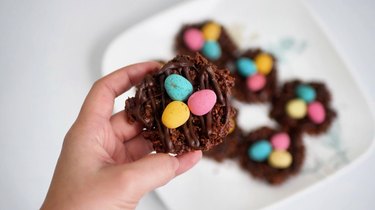
No-Bake Chocolate Coconut Bird's Nests
Let's Celebrate
By
Elba Valverde
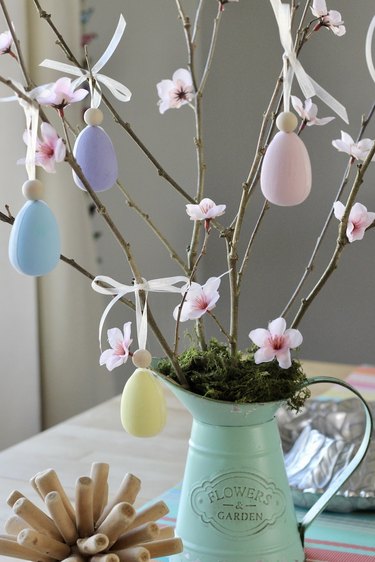
Easter Centerpiece
Let's Celebrate
By
Megan McCarty
Bright and Cheery Easter Decorations Under $50
Let's Celebrate
By
Megan McCarty
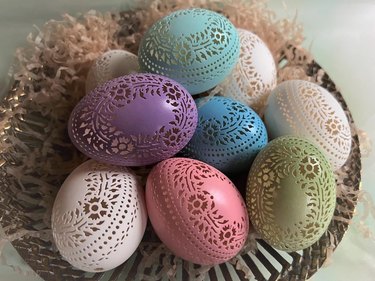
Decorative Easter Eggs for Your Holiday Display
Let's Celebrate
By
Jill Layton
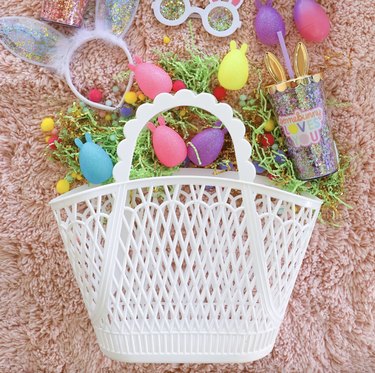
Eggs-Tremely Cute Easter Baskets for the Whole Family
Let's Celebrate
By
Karen Cicero
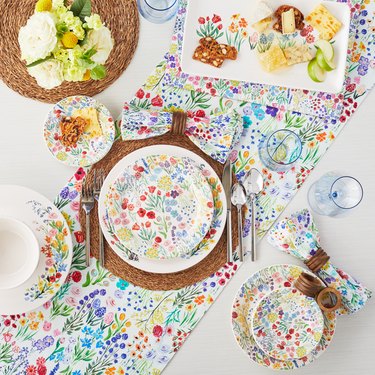
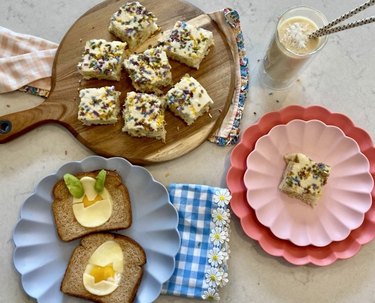
A Playful & Pretty Easter Brunch Spread
Let's Celebrate
By
Kathryn Walsh
Peeps Projects to Add Some Pep to Your Spring
Let's Celebrate
By
Onayeme Jelugbo
5 Egg-cellent Easter Craft Kits You Need to Try
Let's Celebrate
By
Trisha Sprouse
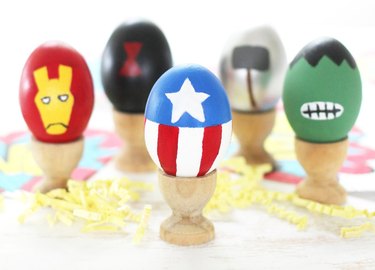
DIY Avengers Superhero Easter Eggs
Let's Celebrate
By
Debbie Williams
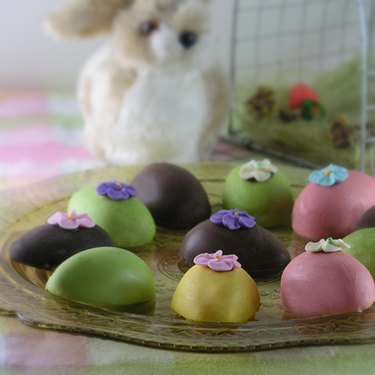
Candy Easter Eggs Just Got Better With Peanut Butter and Coconut
Let's Celebrate
By
Jessica Begum
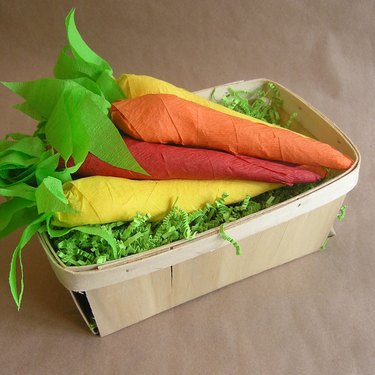
Treat-Filled Wrapped Carrots for Easter
Let's Celebrate
By
Jessica Begum
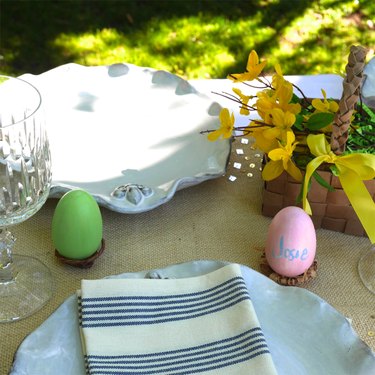
Easy-to-Make Easter Egg Place Cards with Nest Holders
Let's Celebrate
By
Jonathan Fong
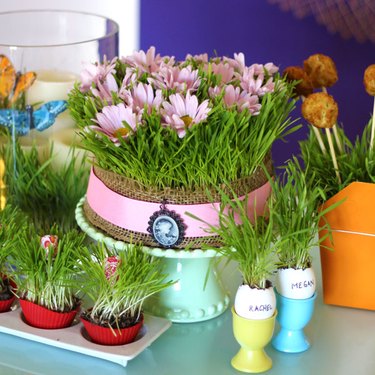
The Wonders of Wheatgrass: 5 Decorating Ideas for Your Spring Table
Let's Celebrate
By
Jonathan Fong
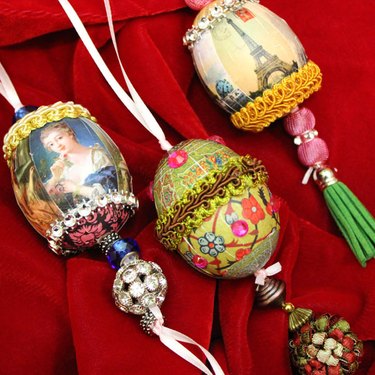
Egg Decorating Ideas: Decoupage
Let's Celebrate
By
Jonathan Fong
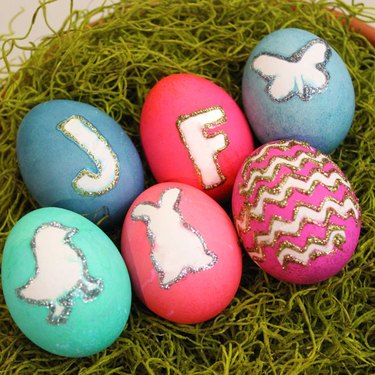
Egg Decorating Ideas: Monograms and Silhouettes
Let's Celebrate
By
Megan O. Andersen
How to Make Felt Easter Bunnies
Let's Celebrate
By
Megan O. Andersen
How to Make Easter Bunny Ears
Let's Celebrate
By
Debbie Williams
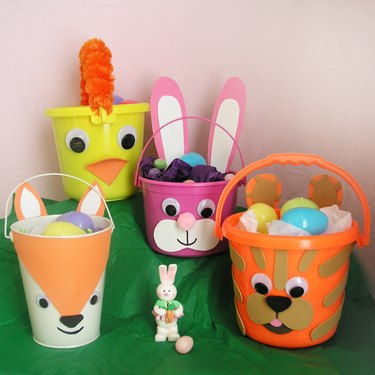
Easter Baskets Kids Can Make
Let's Celebrate
By
James Holloway
Easter Eggs Around the World
Let's Celebrate
By
Jen Marx
Ideas for Easter Scavenger Hunt Riddles
Let's Celebrate
By
Dawna Theo
Short Stories for Easter
Let's Celebrate
By
Kathy Adams
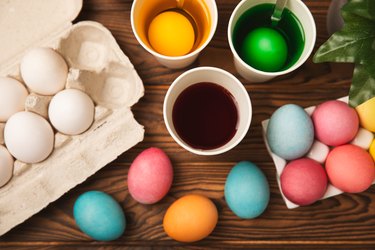
Directions for Paas Easter Egg Coloring
Let's Celebrate
By
JaimeR
Easter Gift Ideas for Mom
Let's Celebrate
By
Shelley Frost
How to Ask for Donations for an Easter Egg Hunt
Let's Celebrate
By
Christi Aldridge
PAAS Egg Dyeing Instructions: How to Make Colorful Easter Eggs From a Kit
Let's Celebrate
By
Alexandra Bee
How to Take Easter Egg Dye Off Fingers
Let's Celebrate
By
Kelly Dawson
15 Ridiculously Delicious Recipe Ideas for Easter Brunch
Let's Celebrate
By
Debra Pachucki
Easter Basket Ideas for College Students
Let's Celebrate
By
Chelsea Oliver
Easter Basket Ideas for Girlfriend
Let's Celebrate
By
Wanda Starr
Easter Basket Ideas for Mom
Let's Celebrate
By
Lanh Ma
Easter Gifts for Godchildren
Let's Celebrate
By
Renee Miller
Easter Basket Ideas for a Wife
Let's Celebrate
By
Kathryn Rateliff Barr
Ideas for Office Easter Baskets
Let's Celebrate
By
Tonya Yirka
Easter Basket Hiding Ideas
Let's Celebrate
By
Athena Hessong
How to Dye Cold Boiled Eggs
Let's Celebrate
1
2
>
Report an Issue
Contact*:
Severity*:
High
Normal
Low
Description*:
Screenshot loading...
Cancel
Submit