eHow launches Android app: Get the best of eHow on the go.

About

Vitamins Required for a Hormonal Imbalance

Contributor
By Charles Pearson
eHow Contributing Writer
(1 Ratings)

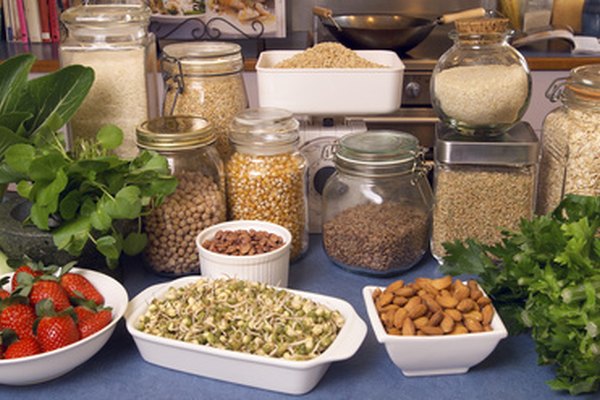
Hormonal imbalances can cause unwanted physical effects. Particular vitamins play important roles in hormones and hormone imbalances occur when the body is unable to create appropriate amounts of hormones due to a smaller intake of certain vitamins. The ailments caused by these hormone imbalances can be fixed by adding in the missing vitamins. The best way to get these needed vitamins is to consume fruits, vegetables and meats that are high in these vitamins.

    Hormonal Imbalance Effects

  1. Hormonal imbalances of estrogen in women can lead to symptoms like menstrual problems, oily skin, increased hair growth, exhaustion, vertigo, increased allergies, anxiety, decreased sex drive, headaches, obesity, depression, urinary tract infection, PMS and water retention. Glucocorticoid resistance can cause exhaustion, excessive androgen production and increased adrenocorticotropic hormone levels. Low androgen can lead to hair loss.
  2. Vitamin B6

  3. Vitamin B6 plays a large role in maintaining healthy hormonal balances. B6 affects estrogen, progesterone, androgen and glucocorticoid. B6 is also necessary for converting food into glucose for storage, the formation of amino acids and the breakdown of toxic amino acids. B6 is also used to create neurotransmitters like serotonin, taurine, dopamine, norepinephrine and histamine. Foods high in vitamin B6 are tuna, bananas, chicken, turkey, cod, salmon, snapper, beef and halibut.
  4. Vitamin B12

  5. Estrogen inhibits vitamin B12, which requires a greater intake of vitamin B12. Those with high amounts of estrogen should increase B12 vitamin intake. Vitamin B12 is necessary for healthy mental function. Foods high in B12 are snapper, salmon, beef, lamb, scallops, shrimp, halibut and yogurt.
  6. Vitamin C

  7. Vitamin C helps regulate thyroid hormone production and also reduces the amount of histamine in the body. Thus, vitamin C foods can be used to reduce allergies. Vitamin C is also an antioxidant, antihistamine and helps boost the immune system. As a result, vitamin C helps with stress and colds. Plus, vitamin C is water soluble, which means that excess vitamin C is flushed out with urine, preventing vitamin C toxicity. Foods high in vitamin C are red peppers, broccoli, strawberries, oranges, cantaloupe, kiwi and cauliflower.
  8. Vitamin E

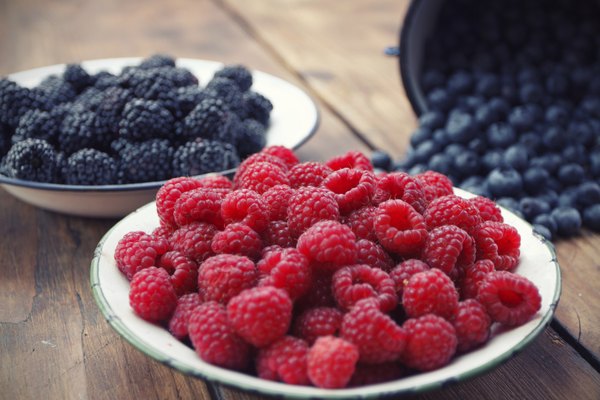
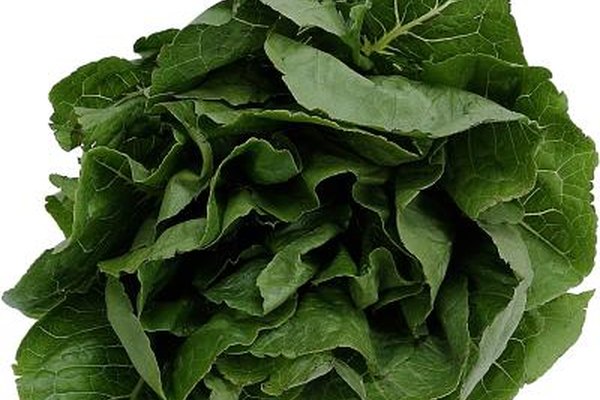
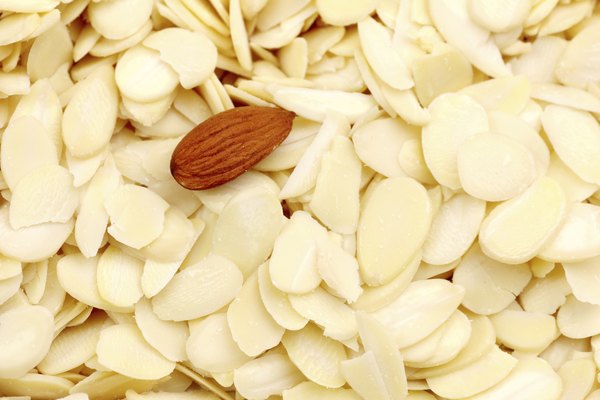
  9. Vitamin E seems to help progesterone production, which can reduce excessive amounts of estrogen. Vitamin E is an antioxidant for the skin, helps regulate vitamin A, reduces wrinkles, and protects the skin from skin cancer and sunburns. Vitamin E also protects the brain from Alzheimer's and Parkinson's diseases. Finally, vitamin E helps with menstrual pain and low sperm count. Foods high in vitamin E are almonds, sunflower seeds, olives, spinach and blueberries.
Subscribe

Post a Comment

Post a Comment Post this comment to my Facebook Profile

Related Ads

Get Free Health Newsletters

Copyright © 1999-2010 eHow, Inc. Use of this web site constitutes acceptance of the eHow Terms of Use and Privacy Policy .   en-US Portions of this page are modifications based on work created and shared by Google and used according to terms described in the Creative Commons 3.0 Attribution License. † requires javascript

Live Strong Partner
Livestrong_eHow Health