

Instructions for Old Top Loading Washing Machines

There is a lot of discussion about front loaders, high-efficiency washing machines and whether or not to have an agitator. Many consumers are returning to the old-school washing machine for the simple reason that a top-loading washing machine does an excellent job of cleaning clothes.
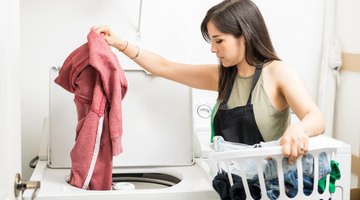
Washing machines have come far with the latest technology and design, but is all that necessary? The old-fashioned, top-loading agitator washing machine is making a comeback for its ease of use and affordability. Whether you have an old top-loading washing machine or are in the market for a traditional washing machine, know how to use it, clean it and maintain it before you pop in and spin the first load.
Old-School Washing Machine
Top loaders generally have more capacity in the tub for washing larger items. They have a shorter cycle, so they can run through loads of laundry faster than their front-loader counterparts. Old-school washing machines tend to be louder than contemporary appliances and use more energy to clean a load from the start to the spin cycle. Separate colors to prevent dyes from bleeding onto lighter-colored items. Empty all pockets and check for loose change that can fall into the crevices of the agitator. Check the bottom of the tub before moving on to the next load.
Traditional Washing Machine Benefits
Modern washing machines have all the bells and whistles of modern technology and design. They are also beset with problems. The sophisticated and expensive machines have digital control panels for easy operation. These control panels and computer boards can also cause problems. They can malfunction, leaving you with a wet load in mid-cycle or a hefty repair bill. The front loaders are prone to leaks and mold, although manufacturers have made significant leaps in fixing these issues. An old-style washing machine tends to not rely on the latest technology. The old-school washing machine allows for more control over the water level and agitation.
How to Clean a Top-Loading Machine
Although the machine is built to clean, it needs regular cleaning as well. Check the ring at the top of the basin for soap and fiber buildup. Run a damp rag around the top of the machine between the tub and the lip of the lid once a month to keep it clean. Run a cleaning cycle with a cup of vinegar once a week if you use the machine daily.
European vs. American Top Loader
A European top-loader washing machine is different than an American top-loader washing machine. They tend to use less water and are gentler on clothing. Newer front loaders, like the Maytag Bravos XL, combine modern technology with traditional mechanisms, such as an agitator, to clean clothes better than an old-time washing machine. The latest models are fairly straightforward in how they operate. The Maytag Bravos XL washer manual can be found online for further instructions that can help to keep the machine from being inadvertently overloaded or otherwise misused.
References
Writer Bio
Kimberley McGee has written for national and regional publications, including People magazine, the New York Times, Los Angeles Times, Las Vegas Review-Journal and more. The award-winning journalist has covered home decor, celebrity renovations, and sat down with reality HGTV stars to discuss the latest trends.
More Articles

