Midge Fly Larvae Life Cycle

Midge flies belong to a group known as Diptera, or true flies. Their life cycle is important to humans because they are considered a commodity, meaning that they are raised for sale to anglers. These flies have a well documented life cycle as they have been successfully bred in captivity for many years.

  1. Mating

    • Adult midge flies reproduce sexually and mate in flight. They tend to congregate in large swarms at the edge of waterways such as lakes and rivers just for this purpose. After mating, the female releases her eggs into to water while in flight, where they sink to the bottom.

    Larvae

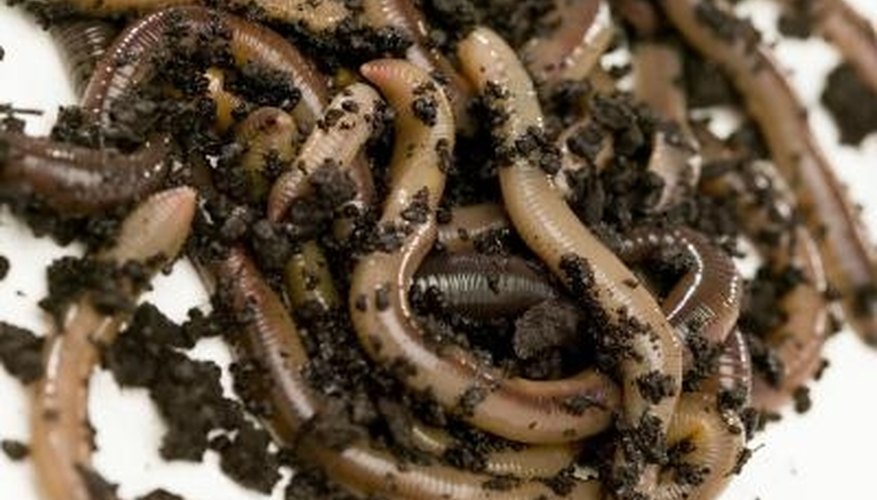
    • The eggs hatch and the immature larvae live along the bottom of the waterway, usually hiding amongst the vegetation in slower currents as they do not swim well. Some species will construct tubes out of the lake bottom material that will run perpendicular to the lake or stream bottom, pointing upward. The larvae that do this will spend all of their development time, up to pupation, in this tube. It is important to note that the larvae of a specific genus of midge fly, known as bloodworms due to their red coloration, are also used commercially as a fish food for small carnivorous and tropical fish.

    Metamorphosis

    • After the larva completes its development, it is ready to enter metamorphosis. The larva will encyst itself in a hard shell and change into a pupa, where it will undergo metamorphosis and change into an adult. Completing this change process will take a few days to a few weeks depending on the species. The pupa will then begin its ascent to the surface of the waterway, the final step before emerging as an adult. It is during this stage that the midge fly is the most vulnerable as it creates a gas that it traps in its abdomen to help its migration to the surface. It is this gas that attracts the attention of hungry fish.

    Emergence

    • When the pupa reaches the surface of the water, the casing around the pupa splits open down the back and the adult midge fly takes flight immediately. The flies are fully developed and will mate within 24-48 hours, completing the life cycle. The adults will die shortly after mating.

    Significance

    • The midge fly is ecologically important in that is serves as a food source for many aquatic species, including trout and other game fish. The midge fly is also economically important as anglers depend on the availability of them for natural fly fishing.

Related Searches:

References

Comments

You May Also Like

  • Crane Fly Larvae Tying Instructions

    The crane fly larvae are among the largest sub-surface insect forms in a trout stream. These sub-adult forms of the crane fly...

  • How to Get Rid of Midge Flies

    Midge flies, or gnats as they are sometimes called, are small insects that appear in many different forms. Some forms of midge...

  • When to Treat for Crane Fly Larvae?

    Crane fly larvae, commonly called leather jackets, are small, gray worms that eat the roots of grass and clover. Larvae hatch in...

  • About a Midge

    A midge is a tiny, non-biting fly that resembles a mosquito. Although they are harmless, they are drawn to light and can...

  • Bloodworm Life Cycle

    Bloodworms are one stage in the life cycle of the non-biting Midge fly. The non-biting Midge, also known as chironomid, looks like...

  • Fly Life Cycles

    "Fly" is the common name for all insects in the order diptera. This basically includes all insects with two wings. You are...

  • How to Remove Fly Larvae From a Kitten

    Bot fly larvae are the most common fly larvae found in kittens and other small animals. Bot fly larvae live under the...

  • Trout's Life Cycle

    Trout are freshwater fish similar to salmon that are found in streams and lakes in North America, Asia and Europe. They prefer...

  • Larvae Life Cycle

    Almost 90 percent of insects go through a larval stage, which follows the egg stage and precedes the pupal stage. The latter,...

  • The Life Cycle of a Midge

    Midges may be annoying, but they are non-biting, unlike their similar-looking counterpart, the mosquito. Male midges are also referred to as "fuzzy...

  • Midge Treatments for Roses

    Rose midges (Dasineura rhodophaga) have troubled rosarians since 1886, when their damage was first reported in New Jersey. Since then, rose midge...

  • Crane Fly Life Cycle

    The crane fly is an insect of the biological categorization Tipulidae. They are slender creatures with long, spindly legs and are found...

  • Life Cycle of a Horse Fly

    Horseflies are often confused with deerflies because they look almost the same and go through their larval stage in much the same...

  • Facts on the Crane Fly

    The crane fly, or daddy long legs, is of the genus Tipula. There are thousands of species of crane flies, although they...

  • Life Cycle of Culicoides

    Biting midges, called by the scientific name Culicoides spp., and the common name no-see-ums, are best known for irritating anyone spending time...

  • Midge Worms in Swimming Pool Water

    While providing enjoyment for your family, a pool also provides an ideal environment for breeding insects. Finding midge worms in your pool...

  • Life Cycle of a Venus Fly Trap

    The Venus flytrap (Dionaea muscipula) is a plant that is native to the wetlands of North and South Carolina. It is a...

  • Life Cycle of Maggots

    Many people think of maggots as the creepy, crawly larva of a fly. But maggots go through several of their own distinct...

Related Ads

Featured