
Facts About Hawaii's Weather
The state of Hawaii is an archipelago of 132 islands and atolls located southwest of the continental United States. With its unique culture, incredible surf, awe-inspiring volcanoes and tropical beaches, Hawaii is a nature lover's paradise. One of the advantages of living in and visiting Hawaii is its tropical climate, although weather can vary depending on where you are in the islands.
-
Seasons
-
Hawaii has two seasons, summer and winter. Winter occurs between November and April, while summer takes place between May and October. Although the season is referred to as "winter," don't be misled--most of Hawaii is warm year-round.
Temperature
-
In the summer, the average temperature at sea level is 85 degrees Fahrenheit during the day and 75 degrees at night. The average winter temperature at sea level is 75 degrees during the day and 65 degrees at night.
-
Rainfall
-
Hawaii has an average annual rainfall of 70 inches. The dry season lasts from April to October, and the rainy season is November to March. However, it rarely rains in one place for more than two or three days at a time, so you're likely to get some sun whenever you go.
If you want to plan as rain-free a trip as possible, keep in mind that rain is more likely to occur on north and east sides of an island, because they are the windward sides, as well as in the valleys and mountain peaks; rain is less likely to occur on the coastal areas of an island's south and west sides.
Storms
-
Storms are most likely to occur during the winter season, but they are usually not severe and most clear up within 24 hours. Although hurricanes and tropical storms rarely hit the islands, June through September is considered Hawaii's hurricane season. The most recent hurricane to hit Hawaii landed in 1992 and caused approximately $1 billion in damage.
Microclimates
-
Most islands of Hawaii have several microclimates. You can bake on the beach but have to wear a jacket when you hike up the mountains in an island's interior.
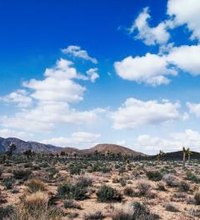
Waimea Canyon (known as the "Grand Canyon of Hawaii") on the island of Kauai, has a desert-like environment, while Mount Waialeale, located mere miles away, is extremely wet. The summits of some of the highest mountains, such as Mauna Kea on the Big Island, even receive snowfall in winter.
As excursions to the valleys and mountains of the islands are a highlight of any trip to Hawaii, be sure to pack for the differences in weather.
-