





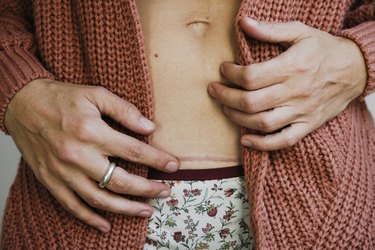

- The first stage of the human life cycle, referred to as birth, actually begins at conception. When sperm reaches and is able to fertilize a female's egg, the first building block of life is created in the form of a one-cell organism called a zygote. This single cell with divide and multiply itself countless times over the next 40 weeks, until the actual birth occurs. These divisions of cells are what form the various parts of our bodies. Every part of us begins from that one tiny cell.
- The second stage in the life cycle is rinfancy. This stage lasts from birth until we are 1 year old. During our first year, we are totally dependent on others to meet our every need. The infancy stage is the most formidable one in the cycle because it's the stage in which we learn the most basic life skills which we will carry with us throughout our life cycle.
- The third stage of the life cycle is childhood. This stage begins as we enter into our second year of life and continues for the next 10 years. This is the stage in which we develop the male and female traits that we will carry with us through the rest of our lives. We also develop social skills and personality traits that will define who we are.
- The foruth stage in the cycle of life is adolescence. This stage begins at age 12 and lasts through the 18th year of our lives. During this phase, our bodies develop male and female traits such as menstrual cycles, facial hair and voice changes. The onset of the development of these traits is called puberty.
- The fifth and final stage of the life cycle is adulthood. This stage begins at age 18 and lasts until our death. By this time, barring afflictions such as birth defects and mental retardation, we are fully formed, functional human beings capable of maintaining ourselves and sustaining life. It is during this stage of our lives that we begin the life cycle once again by having children and grandchildren of our own.