Foods High in L-Lysine
L-lysine is one of eight essential amino acids and is a building block of protein. It is important for good health. However, since it is an amino acid, the body is not able to produce it naturally. L-lysine must be introduced into the body through food or supplements. There are many foods rich in L-lysine that should be included in your daily diet.
-
Benefits
-
L-lysine aids in physical development. According to the University of Maryland Medical Center, it plays an essential role in the production of carnitine, a nutrient responsible for converting fatty acids into energy and helping to lower cholesterol.
L-lysine is beneficial in helping the body absorb and conserve calcium. It also helps the body form collagen, which is necessary for healthy bones, tendons, cartilage and skin.
L-Lysine Foods
-
Select foods that are high in protein for the best choice of L-lysine foods. Red meats have the highest L-lysine content; however, pork and poultry also contain lysine. Parmesan cheese contains a beneficial amount of L-lysine. Other foods high in L-lysine include cod, sardines, nuts, eggs, soybeans, tofu, soy flour and fenugreek seed.
-
Foods to Avoid
-
There are some foods that can inhibit L-lysine absorption. Many baked goods make it difficult for the body to absorb necessary L-lysine. Foods like pastries, doughnuts, cookies and some cereals should be avoided, especially if you are suffering from a L-lysine deficiency. A diet high in these and similar simple sugars could prevent you from reaping the best benefits from L-lysine.
L-Lysine Deficiency
-
L-lysine deficiency is not a very common problem, yet people who are extremely athletic or strict vegetarians may find that they have this condition. Signs for L-lysine deficiency include kidney stones, fatigue, nausea, dizziness, loss of appetite, agitation, bloodshot eyes, impeded growth, anemia and reproductive disorders. It is important to speak to a physician if any of these signs are evident before taking a L-lysine supplement.
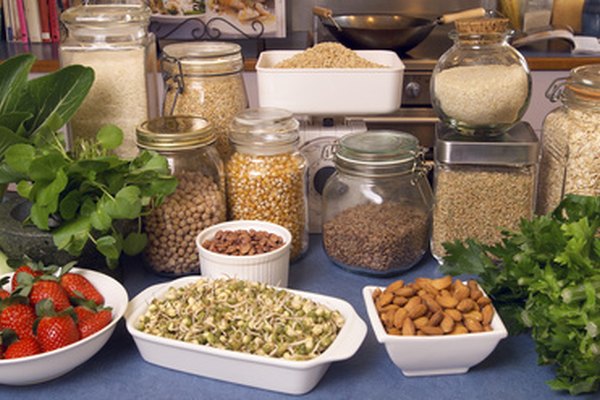
Athletes low in L-lysine should add more sources of meat protein into their diet if they find that they are L-lysine deficient. Vegetarians should add legumes like beans, peas, lentils and soy into their diet to increase L-lysine intake.
Uses
-
Eating foods rich in L-lysine can help relieve several conditions; however, taking a L-lysine supplement may provide more relief for these conditions. L-lysine can be beneficial in the treatment of herpes, shingles, osteoporosis, inflammation, episiotomy pain, migraine relief and painful periods.
-
References
- Photo Credit Ben Mills, Public Domain/ WIkimedia Commons