

Drain Clog Remedies

If you have a clogged drain--be it the bathtub or the kitchen sink--and you don't want to call a plumber, there are many ways you can try to remove the blockage yourself. In fact, you may be able to fix a clogged drain using items you already have in your bathroom or kitchen.
Removing Clog Manually
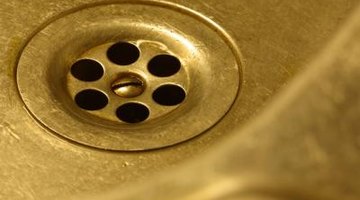
Remove the drain stopper or strainer and wash away any debris that clings to it, including hair, food and grease. When drain stoppers aren't regularly cleaned, they can accumulate enough buildup to cause a clog.
If the drain is still clogged, use a small plunger to try to force the clog out. Add enough water to the sink or tub to cover the head of the plunger and create suction.
If the clog remains, try using an auger or plumbing snake--a thick, flexible cable that rolls into a handheld casing. Push the cable into the drain while turning the handle clockwise. When the cable meets the blockage, continue turning the handle but pull back a little to help remove the clog. Then drive forward again to push the auger into the clog.
Do-It-Yourself Drain Cleaners
Sometimes pouring boiling water down a drain can help remove a blockage. If your kitchen sink is clogged with grease, this may be especially effective because when grease is poured down a drain, it frequently cools and congeals in the pipe. Boiling water can often loosen a grease clog and wash it away.
If hot water is ineffective, pour a cup of baking soda down the drain and follow it with a few cups of boiling water. The water will activate the baking soda, creating an alkaline liquid that can dissolve a clog. If baking soda alone doesn't work, use a combination of baking soda and vinegar. Pour half a cup of baking soda into the drain and flush it with a cup of of white distilled vinegar or cider vinegar. Wait a few hours and then pour hot water into the drain.
Store-Bought Drain Cleaners
If none of these methods removes your clog, purchase a drain cleaner. Most drain cleaners take about 15 minutes to work. However, these cleaners use strong chemicals to clear out blockages, so read the directions carefully, use the product in a well-ventilated area and keep it away from children and pets.
Enzymatic drain cleaners, on the other hand, are chemical-free and easier on the environment. They use enzymes or bacteria that feed on organic waste materials, such as hair and food, that often clog drains. However, these cleaners aren't as readily available and they work more slowly than chemical drain cleaners--they typically take at least an hour to remove a clog.
Writer Bio
Laura Moss is an editor and writer in Atlanta. She began writing professionally in 2005, and her work has appeared on HowStuffWorks.com and VacationPlanning.net and in Group Travel Planet, World Scholar, Rejuvenate and S3 magazine. She holds a master's degree in mass communication from the University of South Carolina.
Photo Credits
- Hemera Technologies/AbleStock.com/Getty Images
More Articles

