Description of a Rain Gauge

Description of a Rain Gauge thumbnail
Description of a Rain Gauge

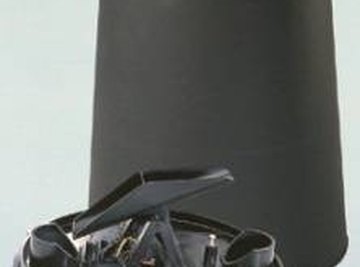
A rain gauge is an instrument for measuring the quantity of precipitation. The standard rain gauge is 8 inches in diameter and 24 inches tall. The outer container is called the overflow can, and inside there is a brass or clear plastic measuring tube 2-1/2 inches in diameter and 20 inches deep. On top is a copper or white plastic funnel 8 inches in diameter. Although not part of the rain gauge itself, the measuring stick is essential to accurately measuring of all forms of precipitation, including snow.

  1. Measuring Capacity

    • A standard rain gauge accommodates 2 inches of rain in the inner container, which is 2-1/2 inches across and 20 inches high.

      When a heavy rainstorm results in water greater than 2 inches, the water flows over the top of the inner container and into the overflow can, which is 4 inches taller than the inner container. The observer measures and records the amount of rain in the inner container and empties the inner container. Then, the observer carefully pours the water from the overflow can into the inner container, measures it and records it. The observer adds the two recorded totals together to obtain a final amount of rainfall.

    The Tube

    • The inner container is tall and narrow, but 1 inch in the inner container is only 1/10 inch of rain. This makes it possible to obtain very accurate measurements--to 1/100 of an inch--of the amount of rainfall. The measuring stick used with the rain gauge is calibrated to allow for this apparent distortion of size. The measuring stick also helps account for snowfall depths--snow falling into the rain gauge is measured with the stick; one tenth of an inch of snow on the measuring stick equals 1 inch of snow.

    Another Rain Gauge

    • A tipping bucket is another type of rain gauge. It uses a specially designed bucket that tips the water on to the ground when the weight of 0.01 inch of rain falls into it. Every time a bucket tips, it trips a switch that sends an electronic signal to a recorder. The recorder has a clock function, so that you can tell how much rain fell in a specified time period by multiplying the number of "tip marks" on the recorder by 0.01.

    Homemade Rain Gauge

    • To make your own rain gauge, all you need is a clean jar and ruler. The first step is to put the jar outside, away from buildings and trees or any other overhead obstruction, before the rain begins. After a rainfall, measure how many inches of water are in the jar. Is it accurate? Perhaps not as accurate as one of the official rain gauges described above, but it's close. The difference is that your jar doesn't have the same dimensions. However, it still registers how much rain fell into it.

    Correctly Reading a Rain Gauge

    • The surface of the water in the gauge will appear curved, which is called a meniscus. The liquid will be higher where it contacts the inner container because of surface tension. Use the bottom of the curve as the measurement.

      The measurements on the side of the inner container are in tenths of an inch, which are designated by the shortest lines on the container's surface and hundredths of an inch, which are designated by the longer lines. The container is designed so that when the inner container is full of water, the water's surface is magnified. This allows you to take a more precise reading.

      Never use a ruler to take measurements. A standard ruler isn't calibrated for a rain gauge.

      If the inner container is full and rain has spilled into the overflow can, take the measurement from the inner container, record that measurement and empty the water from the inner container. Then, carefully pour the water from the overflow can into the inner container, measure it again and record the amount. Repeat the process until all the water has been measured and poured out. Finally, add up the totals from each measurement for a rainfall total.

Related Searches:

References

Resources

  • Photo Credit Creative Commons - The Weather Observer

Comments

You May Also Like

  • Parts of a Rain Gauge

    Anybody who owns a garden probably uses a rain gauge or has heard of one. A rain gauge basically just estimates the...

  • How to Build a Rain Gauge

    Gathering data on the cycles of the weather is a great science project for children. Collecting figures on daily and annual rainfall...

  • How to Read Rain Gauge Measurements

    A rain gauge is used to measure how much precipitation has fallen. Farmers and gardeners whose crops depend on a certain amount...

  • How to Install a Rain Gauge

    Installing a rain gauge in your yard helps you know how much moisture your plants naturally receive. That knowledge might influence the...

  • How to Convert a Metric Feeler Gauge to Standard

    Correct measurements of any tight tolerances are a necessity to ensure the proper operation of your mechanical and electrical equipment. Feeler gauge...

  • How to Make a Homemade Rain Gauge

    Rain gauges are used to determine approximately how much rain has fallen. They also make a great science projects for kids learning...

  • General Description of the Monsoon Forest

    The monsoon forest is closely related to the rain forest found in many areas of the world close to the equator. The...

  • Golden Rain Tree Bugs

    While pesky and sometimes irritating, the golden rain tree bug is not usually considered a damaging creature. One of its preferred host...

  • How to Play Gaga Ball

    Gaga (or Ga-Ga) Ball is a fun game that kids love to play. It is played with a ball in an octagonal...

  • What Is the Most Accurate Style of Rain Gauge?

    The accuracy of any rain gauge depends on the method of measuring the water collected. Standard rain gauges often use a floating...

  • Rain Gauge Uses

    Rain gauges are used for measuring the amount of rainfall over a specified period of time. Trying to measure rainfall is not...

  • Rain Gauge Facts

    Rain gauges are collection devices that measure the amount of rainfall in inches, millimeters or centimeters. There are four different kinds of...

  • Grasshoppers in the Temperate Rain Forest

    Grasshoppers are among the menagerie of insects that live in the temperate rain forest along with stinkbugs, dragonflies, scarab beetles and lady...

  • Information on Rain Gauges

    Did it rain enough? Should I water the garden? That depends partly on soil, plants, temperature and other factors, but measuring rainfall...

  • How To Read a Vernier Depth Gauge

    A Vernier gauge is a useful measurement device equipped with two scales, one fixed and one that slides. It can measure extremely...

  • Definition of a Rain Gauge

    Individuals have tracked and measured rainfall amounts for a variety of reasons. While it is uncertain when the first rain gauge was...

  • What Is the Purpose of the Rain Gauge Tool?

    Understanding and predicting rainfall is essential to several aspects of modern life. Everything from determining when to open a river dam to...

  • How to Make a Simple Rain Gauge

    There are a variety of commercial rain gauges available on the market, however making a simple rain gauge is quick, easy and...

  • What Are Rain Gauges Used For?

    Society has recorded and measured rainfall for at least 500 years, but it is likely this practice goes back much further. Rain...

Related Ads

Featured