Skin Reaction to Alpha Hydroxy

Skin Reaction to Alpha Hydroxy thumbnail
Skin Reaction to Alpha Hydroxy

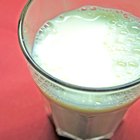
The use of alpha hydroxy acids (AHAs) for skin rejuvenation and anti-aging purposes can be traced as far back as ancient Egypt, when Cleopatra soaked in milk baths to keep her skin soft and smooth. Once exclusively available through dermatologists, AHAs are now used as the major active ingredient in many anti-aging skin-care products. The mass marketing of such products expanded in the mid-1990s, after cosmetics companies were authorized to use low concentrations of the chemical product to correct and combat signs of aging in the skin. Does this Spark an idea?

  1. Function

    • AHAs work to rejuvenate and restore the skin by expediting its natural exfoliation process. The old, dead cells of the skin's outermost layer are loosened and shed, revealing a new, more evenly toned layer of skin. AHAs also work to correct the signs of aging skin by diminishing hyper-pigmentation, commonly in the form of age spots and liver spots caused by sun exposure. The regeneration of new skin cells and stimulation of collagen also helps reduce fine lines and wrinkles.

    Types of AHAs

    • Glycolic acid and lactic acid are the most common AHAs used in anti-aging skin-care products. Glycolic acid, extracted from sugar cane, is the stronger of the two. Used as the major ingredient in chemical peels, glycolic acid is able to penetrate the skin and produce rapid effects on the skin's texture and overall appearance. While dermatologists are authorized to use concentrations of 20 to 70 percent, glycolic-acid concentrations in retail products are usually no more than 10 percent. Potency is determined by both the concentration and pH level (acidity).

      Found in milk, lactic acid also functions as an anti-aging exfoliating agent for the skin, shedding old skin cells and promoting cell rejuvenation. This form of AHA is gentler than glycolic acid, and therefore more ideal for sensitive skin. Lactic acid also acts as a humectant, softening and hydrating the skin. Citric acid, malic acid and tartaric acid (each found in fruits) are other examples of AHAs. "Bleaching" freckles, moles and age spots with citrus fruits is a centuries-old home remedy.

    Effects on the Skin

    • Your skin condition, the concentration and pH level of the chemical you use, and the frequency of application are all factors that determine how your skin responds to AHAs. Chemical peels produce dramatic effects, as high AHA concentrations are used by dermatologists, diminishing the appearance of age spots, fine lines and wrinkles, scars or stretch marks more rapidly than retail products. At-home skin care products have lower levels of AHA concentration, requiring continual and consistent application in order to produce visible effects beyond just improved complexion and skin tone. With regard to the pH levels of AHAs, the ideal level for home use is a pH of 3.5 or higher; the lower the pH number, the higher the acidity.

    Warnings

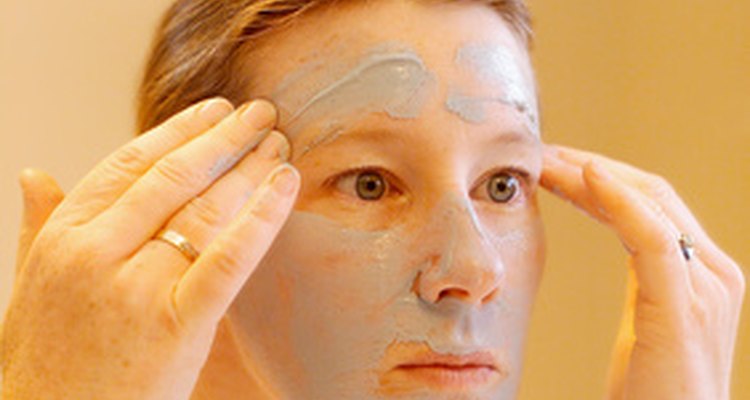
    • Remember the chemical power of AHAs. They are acids, and acids have the power to irritate the skin. Always test products on a small patch of skin first, as adverse reactions to AHAs are not infrequent. Stinging, itchiness and redness are undesirable skin reactions, and sometimes occur after chemical peels. Although chemical peels are now sold for home use, be extremely cautious and consult with a dermatologist before using them. Also keep in mind that the visible, more youthful results achieved by the use of AHAs leaves the skin significantly more sensitive to UV rays, so it is more crucial than ever to protect yourself with a product with SPF 30 or higher.

    Expert Insight

    • AHAs, BHA (beta hydroxy acid, salicylic acid) and retinoids are the most sought-after skin-care ingredients. However, they should not be used together. According to Dr. Leslie Baumann, chief of the cosmetic-dermatology department at the University of Miami's School of Medicine, retinoids mixed with AHAs and BHA result in ineffective retinoids. Dr. Baumann recommends using retinoids at night, and using AHA and/or BHA skin-care products only in the morning, as part of a skin-care regimen that ends with applying a strong SPF cream or lotion.

Related Searches:

References

  • Photo Credit flickr.com/creativecommons: "IPL Photorejuvenation" by Bio.Skinergy

Comments

You May Also Like

  • Dangers of Alpha Hydroxy Acids

    UV sensitivity lessens after two weeks of discontinued usage of AHA products. Skin irritations, blemishes, swelling, redness and other adverse reactions subside...

  • What Does Alpha Hydroxy Acid Do for Skin?

    Alpha hydroxy acid is listed on the packaging of many beauty products and claims to improve the texture of skin by reversing...

  • What Is Alpha Hydroxy?

    While alpha hydroxy acids (AHAs) are an ingredient in modern anti-aging skin care products, the use of alpha hydroxy for skin rejuvenation...

  • Glycolic Acid in Skin Care

    Fill in fine lines on mature skin with glycolic acid. Learn how glycolic acids are used in skin care treatments from a...

  • Types of Skin Peels

    Skin peels are divided into the categories of light, medium and deep, which refer to how intense the treatment is and how...

  • Benefits of Alpha Hydroxy Acid

    Alpha hydroxy acid is made from milk and fruit sugars and commonly used in creams and lotions. Its chemical properties are said...

  • How to Use an AHA Peel

    AHA peels are one of the most effective anti-aging items on the market today. The peels work by gently exfoliating the top,...

  • Side Effects of Alpha Hydroxy Acid

    Alpha hydroxy acid (AHA) is a natural acid derived from milk, fruit, vegetables and plants and is used in many skin care...

  • Alpha Hydroxy Acid for Acne Scars

    Alpha hydroxy acids (AHAs) are a popular and effective method for treating acne scars, as they reduce redness associated with scarring. In...

  • Side Effects of Glycolic Acid Peels

    Glycolic acid is a popular ingredient often used for cosmetic purposes as a natural skin exfoliant and moisturizer. Glycolic acid is extracted...

  • Allergic Reactions to Vitamin C Face Serum

    Vitamin C serum is used to treat wrinkles, scars and fine lines. A great many skin-care products exist that contain only Vitamin...

  • The Side Effects of Hydroxycitric Acid

    Hydroxycitric acid (often abbreviated as HCA) is extracted from Garcinia cambogia. It is the active ingredient of the tropical plant, and is...

  • How to Make Creme With Alpha Hydroxy Acid

    Alpha hydroxy acid (AHA) is a compound that occurs in nature that is believed to have anti-aging benefits. When the skin is...

  • Glycolic Acid Vs. Lactic Acid

    Glycolic and lactic acids, food-derived chemical compounds known as alpha-hydroxy acids, are renowned exfoliants in the cosmetics industry. Lactic acid is considered...

  • How to Make Alpha Hydroxy Acid

    Skin care products containing alpha hydroxy acids have become extremely popular due to their effectiveness in treating many common skin concerns like...

  • Cosmetology Allergies

    People who work in the cosmetology field are exposed to a variety of potential allergens. From skin rashes to respiratory problems, the...

  • Alpha Hydroxy Treatments

    Alpha Hydroxy Treatments. Alpha hydroxy treatments are utilized to achieve younger-looking healthy skin. In these treatments, alpha hydroxy acids exfoliate the skin...

  • Can Alpha Hydroxy Acids Be Used With Moisturizers?

    Alpha hydroxy acids are exfoliants that remove the upper layer of old, dead skin and encourage the growth of new, evenly pigmented...

  • Retinol Night Treatments

    Retinol Night Treatments. A common ingredient used to treat acne, retinol is derived from vitamin A. For individuals looking to fight the...

Related Ads

Featured