The Differences Between Probiotic & Prebiotic

There are an increasing number of products on our supermarket shelves which tout their "prebiotic" or "probiotic" ingredients. These are relatively new to United States' mainstream marketplace, leaving many consumers wondering what prebiotics and probiotics do and how they are different.

  1. Probiotics: The Facts

    • Probiotics are living microorganisms which work within your gastrointestinal (GI) tract to have a positive effect on health. Most probiotics are "good" bacteria like Lactobacillus, Acidophilus, Enterococcus, Bifidobacterium or Escherichia. Centuries of folklore suggesting the health benefits of ingesting dairy products which are fermented and contain live and active cultures are now scientifically supported. Probiotics can be founding a variety of dairy products (yogurt, most notably) and as dietary supplements (both powdered form and capsules).

    Prebiotics: The Facts

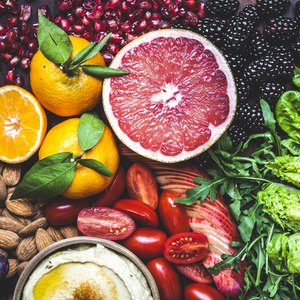
    • Prebiotics can be manufactured (using enzymes to alter sucrose), isolated from plant sources (like chicory) and found as a naturally occurring substance in many foods. Prebiotics do not get metabolized in the stomach or absorbed in the GI tract. They are fermented by the microflora in the GI tract. Most importantly, prebiotics encourage the growth and increased activity of "good" bacteria within the intestines; thus, enhancing the effects of probiotics. The most well-known prebiotic is inulin, a dietary fiber common in plants like artichokes, asparagus and leeks. Prebiotics are often added to foods like cereal, breads, drinks and yogurt.

    How They Work

    • Probiotics work in the body to balance the effects of potentially harmful bacteria, aid in digestion, decrease infections and even lessen certain allergic reactions. They strengthen the lining of the GI tract and help to stimulate the immune system.
      Prebiotics are non-digestible food ingredients which work within the intestinal tract to enhance the growth of "good" bacteria and increase your body's resistance to invading harmful bacteria or viruses.

    Benefits

    • Research on the beneficial effects of prebiotic consumption remains ongoing. Initial information suggests that prebiotics may not only enhance regularity but also may enhance your body's ability to absorb certain minerals (like calcium and magnesium) and reduce risk factors for colorectal diseases by inhibiting certain lesions (like carcinomas) from growing in the gut. Studies are ongoing to determine the immune system effects and effect on cholesterol levels.
      Probiotics are widely touted to have a positive impact on a variety of conditions. Research remains ongoing but the effects of probiotics seem promising in helping to support healthy cholesterol levels, reducing IBS symptoms, reducing IBD symptoms, increasing immune function, decreasing the risk of kidney stones, reducing the risk of necrotizing enterocolitis, preventing bacterial overgrowth, assisting in the treatment of vaginosis and promoting oral health.

    Working Together

    • Using prebiotics and probiotics together (as "synbiotics") will yield maximum benefits. Probiotics do not stimulate metabolic activity, as prebiotics do. Prebiotics do not contain healthy bacteria, but support the growth and function of those bacteria. When working together, the benefits for the GI tract and overall health of your body is optimized.

Related Searches:

References

Resources

You May Also Like

  • Difference Between Probiotics & Prebiotics

    Though the words sound similar, probiotics and prebiotics are not one and the same. Probiotics---sometimes touted on yogurt containers---are living microorganisms ...

  • Role of Probiotics & Prebiotics

    The nutritional benefits of both probiotics and prebiotics are essential to a healthy diet, playing an important role in the digestive process...

  • How to Take Prebiotics With Probiotics

    The health and fitness world is buzzing with probiotic news. Probiotics are bacteria which help to maintain intestinal health and function. However,...

  • Probiotics Vs. Antibiotics

    The two names--antibiotic and probiotic--give you an idea of the difference in the way the two treatments work. "Antibiotic" means "against life,"...

  • Definition of Prebiotic

    Prebiotics are nutrients that help healthy bacteria (probiotics) live and thrive in our intestinal tract, according to Adam Rindfleisch, a professor at...

  • Difference Between Acidophilus & Probiotics

    Acidophilus is a form of a probiotic. It is mainly used to aid digestion and repopulate the digestive track with good bacteria....

  • How to Choose a Probiotic

    Probiotics are sold in the form of a dietary supplement. It can be purchased in pill form or in powder form. Probiotics...

  • What Is the Meaning of Probiotic?

    The National Center for Complementary and Alternative Medicine (NCCAM) notes that probiotics are bacteria similar to the beneficial microorganisms that exist ...

  • What Is a Canine Probiotic?

    Canine probiotics help maintain a healthy digestive and immune system in dogs. Like humans, dogs need friendly bacteria in their intestines. Friendly...

  • Prebiotic Side Effects

    Prebiotics are indigestible substances in foods that promote the beneficial growth and activity of certain microorganisms in the large intestine. The term...

Related Ads

Featured