Foods High in Vitamin D & E

Foods High in Vitamin D & E thumbnail
Foods High in Vitamin D & E

Vitamins D and E are two of the most important nutrients for fighting a range of harmful diseases yet many people still don't know how to get these vitamins into their diet. While vitamin E deficiencies are rare, some 36 percent of Americans are vitamin D deficient, according to the National Center for Health Statistics and deficiency levels have increased over the past 20 years. Including the many delicious foods that are rich in vitamins D and E in your diet will help ensure you're receiving all the benefits these powerful nutrients have to offer.

  1. Role of Vitamin D

    • Vitamin D is a fat-soluble vitamin found naturally in only a handful of foods but routinely added to a number of readily-available foods. It is also synthesized in your body when ultraviolet rays from the sun penetrate the skin. Vitamin D is essential for maintaining a long list of your body's most important functions: it strengthens teeth and bones; reduces inflammation; aids in the absorption of calcium; promotes healthy cell growth and functioning; helps prevent type 2 Diabetes, hypertension, breast cancer, heart disease, colon cancer, ovarian cancer and osteoporosis; and prevents osteomalacia, a softening of the bones called rickets when seen in children.

    Sources of Vitamin D

    • Vitamin D is naturally present in very few foods, such as salmon, tuna, mackerel, shrimp and cod liver oil, plus small amounts in beef liver, Swiss cheese, egg yolks, and cod. However, due to widespread deficiencies in decades past, vitamin D is now routinely added to foods such as milk, margarine, orange juice, yogurt and many breakfast cereals. The Food and Nutrition Board recommends both males and females ages 50 and under take in 200 International Units (IU) of vitamin D each day. Adults ages 51 to 70 need 400 IU, while adults over 70 should take in about 600 IU every day. The best sources of vitamin D include cod liver oil with 1,360 IU per tablespoon (note that many refined cod liver oils sold today have vitamin D removed, so read the nutrition label) and sockeye salmon with 739.37 IU per 4 oz. serving. Other top sources are Chinook salmon with 411 IU per 4 oz; mackerel with 345 per 3.5 oz ; canned tuna in oil with 200 IU per 3 oz; canned sardines in oil with 250 IU per 1.75 oz serving; and shrimp with 162 IU per 4 oz serving. A cup of fortified milk has 98 IU; a tablespoon of fortified margarine has 60 IU; and 1 whole egg has 20 IU.

    Role of Vitamin E

    • Vitamin E is a fat-soluble vitamin found in a number of vegetables and fruits, as well as many nuts and seeds and the oils derived from them. It protects skin from UV rays and free radicals and plays an important role in protecting the body against bladder and prostate cancers and Alzheimer's disease.

    Sources of Vitamin E

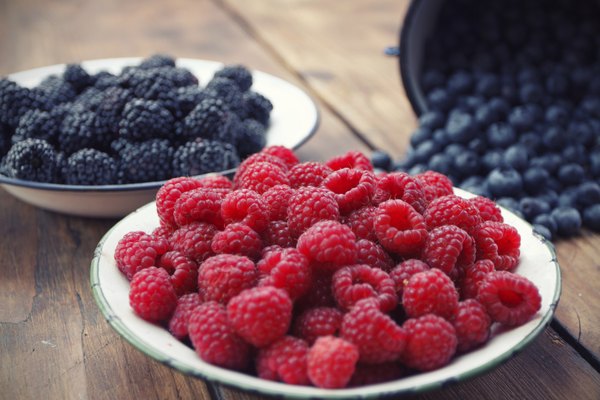
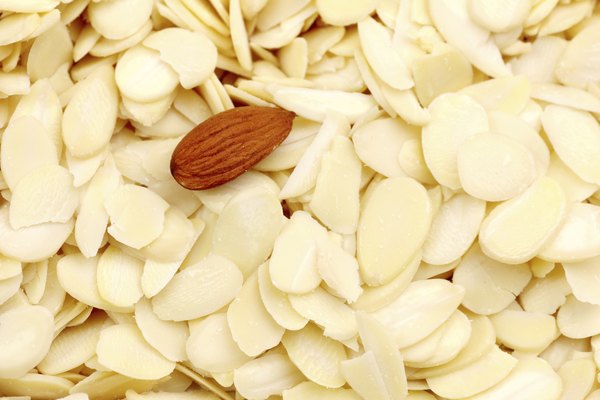
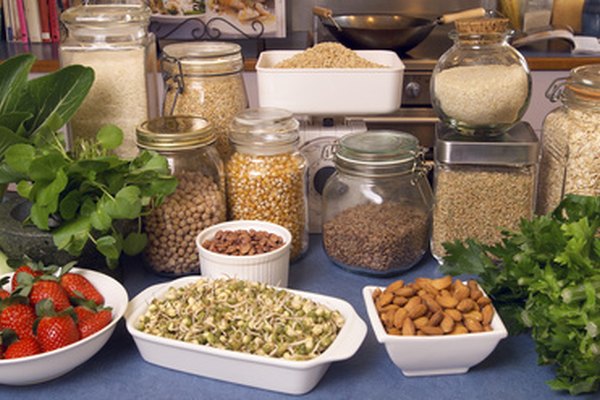
    • Vitamin E is found in many delicious and nutritious foods, including mustard greens, Swiss chard, spinach, sunflower seeds, sunflower oil, safflower oil, hazelnuts, peanuts, peanut butter, corn oil, turnip greens, almonds, collard greens, kale, papaya, olives, raw red pepper, kiwi, broccoli, tomatoes, and blueberries.The Recommended Dietary Allowance (RDA) for vitamin E is 15 mg (milligrams) for everyone age 14 and up. Recommended intakes for children varies depending on age: 11 mg for ages 9 to 13; 7 mg for ages 4 to 8; 6 mg for ages 1 to 3; 5 mg for infants 7 to 12 months; and 4 mg for infants from birth through 6-months-old. Top sources of vitamin E are: wheat germ oil with 20.3 mg per tablespoon; almonds with 7.4 mg per oz.; sunflower seeds with 6 mg per oz.; sunflower oil with 5.6 mg per tablespoon; olives with 4.03 mg per cup; Swiss chard with 3.3 mg per boiled cup; peanut butter with 2.9 mg per two tablespoons; and turnip greens with 2.48 mg per cooked cup.

    A Vitamin-Rich Meal

    • Looking for a way to incorporate vitamins D and E into one delicious meal? Rub a 4 oz. salmon fillet with oil, lemon juice, and garlic and bake for 20 to 30 minutes at 375 degrees. Mix up a salad of raw spinach and Swiss chard, top with sunflower seeds, broccoli, and red pepper, and toss with a dressing of balsamic vinegar and sunflower oil. Steam a half cup of broccoli as a side dish, then serve and enjoy.

Related Searches:

References

Resources

  • Photo Credit Image by conejoaureo, http://mrg.bz/pi8zP8, http://mrg.bz/RV9rys

You May Also Like

  • What Does Vitamin D Do for You?

    Vitamin D is one of the essential vitamins that our bodies absolutely need. Most people know that vitamin D is important for...

  • Foods High in Vitamin D

    You May Also Like. Foods High in Vitamin D & E. Vitamins D and E are two of the most important nutrients...

  • Vegetarian Foods High in Vitamin D

    Vegetarian Foods High in Vitamin D. Vitamin D is an important part of any person's diet, but very few vegetarian foods naturally...

  • Food Very High in Vitamin E

    Vitamin E is a fat soluble antioxidant vitamin that naturally occurs in many foods. You need 15 mg of vitamin E to...

  • Foods Containing Vitamin D

    We all need to focus on obtaining enough vitamin D from food sources, sunshine as well as supplements for maintenance of good...

  • Foods With Vitamin D & E

    A healthy body requires multiple vitamins for protection from disease and for maintenance and ongoing health, but which vitamins are important for...

  • Healthy Snack Foods Rich in Vitamin E

    Our bodies need vitamin E, but foods rich in vitamin E are often high in fat. Explore healthy snack foods packed with...

  • How Does Skin Make Vitamin D?

    Vitamin D is known as the "Sunshine vitamin," but it's actually not a vitamin at all. Vitamin D is a necessary hormone...

  • Foods High in Vitamin D & Iron

    Vitamins and minerals are essential to cell growth and development. Without these nutrients the body's functions and systems would cease to operate...

  • Foods High in Vitamin D3

    There are two main types of vitamin D: these are vitamin D2 and D3. Vitamin D2 is found in plant sources, but...

  • Foods Containing Vitamin D & Calcium

    Vitamin D and calcium are extremely important to the growth, development and maintenance of the bones and teeth. A deficiency in vitamin...

  • How to Reduce Back Pain with Vitamin D and Other Natural Remedies

    Many people experience back pain. It can be caused by an injury or by a nutritional deficiency. Research has shown the vitamin...

  • Foods High in Vitamin C & E

    Vitamins C and E are replenished easily by certain foods. Vitamin C is mostly in fruits and vegetables, whereas vitamin E is...

  • What Foods Contain Vitamin E?

    Vitamin E is an important component in a healthy diet. The recommended daily allowance for adults is 15 mg. This vitamin is...

  • How to Use Vitamin D As Flu Medicine

    Vitamin D is growing in popularity as a way to prevent flu. Current medical research has identified a correlation between seasonal Vitamin...

  • Types of Foods High in Vitamin D3

    Vitamin D is the sunshine vitamin, because the sun is the primary source. While it is not technically a vitamin, it is...

  • Foods to Eat With Vitamin D

    Vitamin D helps the body use calcium. Our bodies can produce vitamin D when exposed to sunlight, and this is the most...

  • Foods With High Amounts of Vitamin E

    Vitamin E is an important vitamin and antioxidant that is crucial for healthy skin, vascular system and blood pressure. Plenty of vitamin...

Related Ads

Featured