




Serotonin is a neurotransmitter found in the gastrointestinal tract, platelets and central nervous system. Symptoms of depleted serotonin can include depression, anxiety, fatigue, insomnia, impaired cognitive function, reduced impulse control and diminished interest in activities that the affected person used to enjoy. Serotonin deficits in the central nervous system may appear as anything from transient sad periods to debilitating and long-term depression. Dysfunctional sleep and daytime sleepiness are also very common symptoms. The sufferer may have difficulty falling asleep, staying asleep or feeling rested even after a full night's sleep. Recovery from depleted serotonin takes at least six to eight weeks.
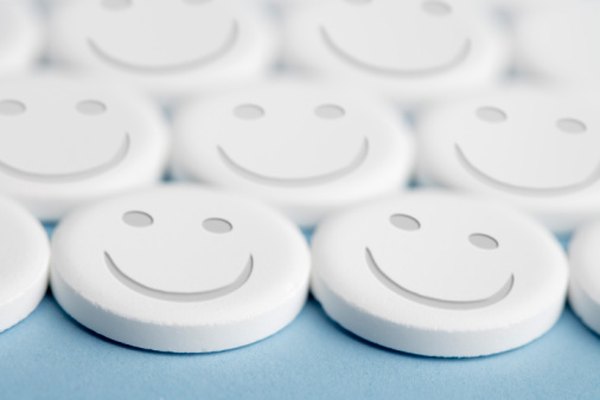
Speak with your primary care physician or psychiatrist about prescribed antidepressants. They play a key role in restoring serotonin deficits. Work with your physician to determine which of the many available antidepressants may be right for you. Antidepressants including selective serotonin reuptake inhibitors (SSRIs), monoamine oxidase inhibitors (MAOIs) and tricyclic antidepressants (TCAs) all increase the levels of serotonin in brain synapses. SSRIs, including Paxil, Zoloft and Prozac, are the most commonly prescribed antidepressants. Antidepressant medications can have different effects on different people. If your doctor prescribes an antidepressant and your symptoms do not improve after six to eight weeks of daily dosing with that antidepressant, ask to switch medications. Also tell your doctor if you take other supplements or treatments for depression.

Exercise to improve your mood and to stimulate serotonin production. With regular exercise at least 20 to 30 minutes per day four to five times per week, you can work toward naturally restoring serotonin levels in the brain. Start gradually if you are not accustomed to regular exercise. Adopt a regular schedule and routine to help promote an active lifestyle, which can help lessen symptoms of depression. If you do not already practice yoga, consider taking up yoga and focusing on breathing exercises to promote serotonin production.
Consume foods high in protein, omega-3 fatty acids and complex carbohydrates. By including ample protein in your diet, you ensure that your body has the necessary raw ingredients to produce sufficient serotonin. Eggs, fish, poultry, seeds and cheddar cheese contain tryptophan, which is the amino acid precursor to serotonin. In addition, preliminary research suggests that a diet high in omega-3 fatty acids may help stave off depression. Eat fish, nuts and leafy green vegetables to boost levels of omega-3. Consume complex carbohydrates such as whole grain bread, whole grain cereal, fresh fruit and vegetables to stimulate serotonin production naturally.
Tip
-
Though they are often crucial in treating serious depression, antidepressants are not without side effects. Common side effects of antidepressants include weight gain and decreased sex drive.
Combining multiple prescription and over-the-counter medications could potentially put a patient at risk for serotonin syndrome. Intentional overdose with SSRIs or unintended drug interactions can put a patient at risk for this life-threatening condition. Symptoms include high fever, muscular rigidity, increased heart rate and seizures. For this and other reasons, it is important to tell your physician about all over-the-counter, alternative and prescription medications you already take when considering whether to begin taking antidepressants.
References
Writer Bio
Emily Van Dyke's first professional researcher-writer experience came in 2001, when she wrote for the Boston "Let's Go Travel Guide." She obtained her M.D. from the University of Washington School of Medicine. She pursued her undergraduate education and Master's in public health at Harvard University.
Image Credit
Jupiterimages/Goodshoot/Getty Images