eHow launches Android app: Get the best of eHow on the go.

About

About Planning a Rose Garden

Contributor
By Connie Whiting
eHow Contributing Writer
(0 Ratings)
About Planning a Rose Garden

Roses provide vibrant beauty throughout the world. In many cultures they appear in myths and symbolism; for example, the red rose brings Cupid and Valentine's Day to mind. It is not true that planning a rose garden and growing roses is difficult. Although roses do take a little more care with fertilizing and pruning, they grow quite well, and rose gardens are relatively easy to plan.

    Spacing

  1. Plan adequate spacing for each plant so that the roots will not tangle and cut off food and water supply to the plants. When deciding how many plants to use, consider how much space you have and what your layout or pattern will be. The kind of roses you select, and whether the branches grow close to the main stem or spread out, will factor into the spacing. Follow the grower's instructions on the plant's tag. Note that climbers require at least 7 feet of space.
  2. Types

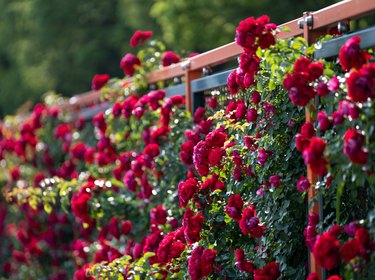
  3. The first step in planning the rose garden is deciding which kind of roses to grow. Grandifloras, the largest type of bloom, grow tall and upright, with blooms that spread out. The Floribunda is a more traditional landscaping rosebush, as it is hardy, easy to grow, low to the ground and a nonstop bloomer. Hybrid tea roses are popular because of their long stems and vibrantly colored, long-lasting flowers. Climbing roses are a good choice for trellises, which allow the roses to intertwine as they grow. Other types are also sold at garden centers, and the many colors and subtypes in each group provide a multitude of choices.
  4. Colors

  5. Roses bloom in a rainbow of vivid colors. The traditional red, yellow, white and pink continue in popularity, and have been joined by blue roses, whose color was bred in from pansies. Black roses are actually deeply red roses that appear black. It is fine to mix rose colors when planting as long as the colors complement each other rather than compete for attention. For example, light colors work well together, or as lighter shades complementing a bolder color.
  6. Patterns

  7. Geometric designs offer both simplicity and creativity in rose gardens. A simple rectangular bed with a few rosebushes bordered by ground cover rose varieties works well in a small yard. For a large garden, you can dedicate one area to a protected "rose zone," perhaps a circular garden. Keeping the plan simple is more likely to draw the eye of the observer than will complicated designs.
  8. Special Touches

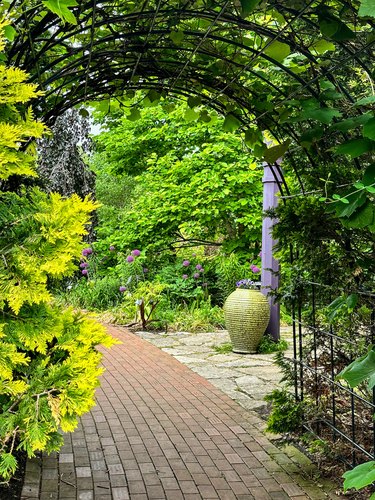
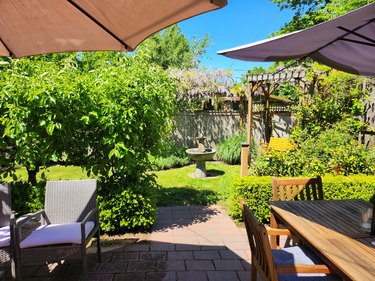
  9. Add a few touches without complicating your design by arranging trellises, garden benches or other accessories in or near your rose garden. Fountains give a touch of inspiration to a beautiful garden. Roses planned around a gazebo create a peaceful place to read and contemplate.

Post a Comment

Post a Comment Post this comment to my Facebook Profile

eHow Article: About Planning a Rose Garden

Related Ads

Home & Garden

Ruby Bayan,

Meet Ruby Bayan eHow's Home & Garden Expert.

Get Free Home & Garden Newsletters

Copyright © 1999-2009 eHow, Inc. Use of this web site constitutes acceptance of the eHow Terms of Use and Privacy Policy.   en-US Portions of this page are modifications based on work created and shared by Google and used according to terms described in the Creative Commons 3.0 Attribution License.

eHow Home and Garden
eHow_eHow Home and Garden