Psoriasis Treatment & Diet

Psoriasis Treatment & Diet thumbnail
Psoriasis Treatment & Diet

Psoriasis is a non-contagious disease that affects the skin and in some cases the joints. This article is about the most common type, the plaque psoriasis (psoriasis vulgaris). It causes patches of dry, slightly raised, red skin with flaky, white scales on top. These can appear anywhere on the body and can be itchy. We know today that the auto-immune system is the culprit and that their might be a genetic cause. Psoriasis is a chronic disease and no definite cure has been found.

  1. The Nature of Psoriasis

    • Healthy skin cells have a life cycle of about one month during which they grow, mature and eventually shed. With psoriasis this life cycle of a skin cell speeds up 10 times so that it develops and dies in only three to four days. These cells do not fall off the skin, but build up to a dry, flaky layer that can look like a scab, but has a softer texture.

      Psoriasis can be dormant for long periods of time and then suddenly break out. It always starts with one small patch and within a short amount of time it spreads and can cover large parts of your body. One of the great triggers is stress. Many psoriasis sufferers have break outs after an illness that weakens the immune system. For example strep throat, heavy colds and infections all put great stress on the body and are often followed by bouts of psoriasis.

      Emotional stress can also be a strong trigger for a break out of psoriasis. There is no general rule and predictability as each individual has different tolerances to stress and a unique structure in his immune system.

    Topical Treatments

    • Ointments have come a long way since the treatment of psoriasis with a messy and smelly rub of coal tar or the use of salicylic acid. Topical corticosteroids, an anti-inflammatory ointment, is often prescribed as are preparations containing vitamin D. There are also success stories about the use of retinol creams, which speed up the scaling of the skin and are usually used for acne or as anti-wrinkle product.

    Let the Sun Shine In

    • The most common treatment of psoriasis is the exposure to ultraviolet light. This can be in nature or in a doctor's office that is equipped with special lamps. Short exposure to the sun on a regular basis can slow down the growth rate of the affected cells. Artificial light sources are a good alternative and offer more control of the amount of UV rays. Side effects can be itchy and dry skin, so all exposures should be followed up with a generous amount of a mild moisturizing lotion.

    Reduce Stress

    • Mediation, yoga, walks in nature, long swims in the ocean or hikes in the mountains all contribute to inner balance and reduce stress. It does not matter what one prefers to do --- paint, play an instrument or paddle in a kayak. Anything that promotes inner well-being and happiness is your best weapon against psoriasis. Medications and UV rays can help relief a breakout, but they do not prevent it.

      Avoid stress and strengthen your inner balance as much as you can to prevent outbreaks of psoriasis.

    Psoriasis Treatments From Overseas

    • Sunlight and ocean water are nature's prescription and reason for the success of many psoriasis clinics located on the shores of the Dead Sea in Israel. There are many products on the market that contain "dead sea salt" and promise to relieve psoriasis symptoms. They cannot do any harm, but are merely moisturizing lotions with some sea salt.

      Perhaps the most unique treatment can be experienced at special spas in Turkey where tiny Doctor Fish feed on the skin scales of psoriasis patients. These little fish have become so popular that spas all around the world are opening their own fish ponds.

    Eat Healthy

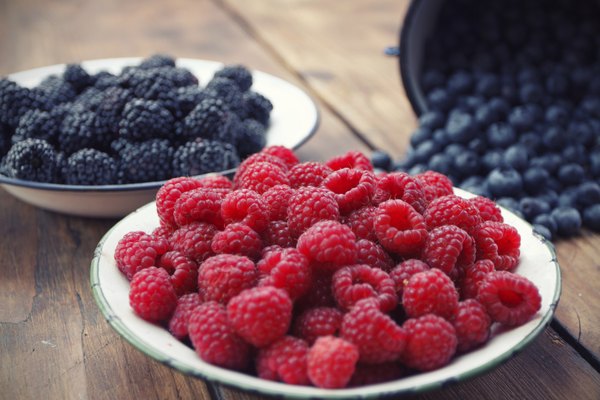
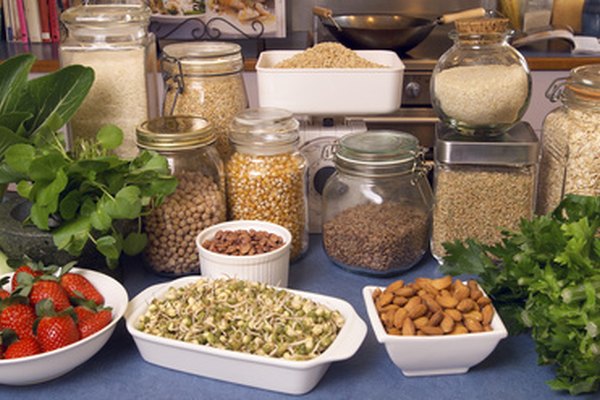
    • There is no special psoriasis diet. Doctors recommend to stay away from coffee and alcohol and to eat a balanced diet with many fruits, vegetables and grains. Again, there is no rule and no super fruit has been found that would promise and instant cure. Some sufferers of psoriasis believe that eating certain foods helps them, but that is different with each individual.

      Common sense in eating is the best way to go. Eat a balanced, healthy diet that supports your immune system. Eat fresh, cook from scratch, avoid processed foods and keep the sugar low. Caffeine, alcohol and nicotine should be on the taboo list. Instead of red meat, eat more chicken and fish.

      Fish oil, vitamin E, B vitamins, calcium, magnesium and zinc will not make psoriasis disappear, but these and other vitamins and minerals improve out overall health, strengthen the immune system and can help to reduce the effects and outbreaks of psoriasis.

Related Searches:

References

  • Photo Credit Eisfelder, Wikimedia Commons

You May Also Like

Related Ads

Featured