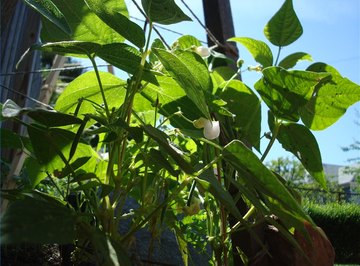
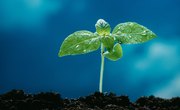
Although there is a natural growth cycle for every plant, the vegetative and flowering stages of growth are directly influenced by light. Artificial lights allow for year-round growth and quick production, but the intensity and nutrients that natural sunlight offers can never truly be duplicated. Without light, we would not have green plant life, vegetable gardens would not produce and flowers would not bloom. Light gives food and energy to plants through photosynthesis and makes everything flourish. It is an essential part of all life on Earth.
Significance
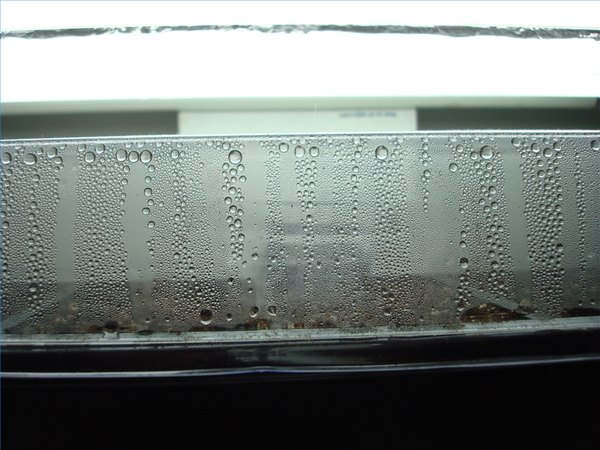
Light directly influences plant growth and flowering by inducing photosynthesis and feeding plants energy. Plants are dependent on light to generate food, induce the growing cycle and allow for healthy development. Without light, natural or artificial, most plants would not be able to grow or reproduce, photosynthesis would not occur without the energy absorbed from sunlight and there would not be enough oxygen to support life.
Function
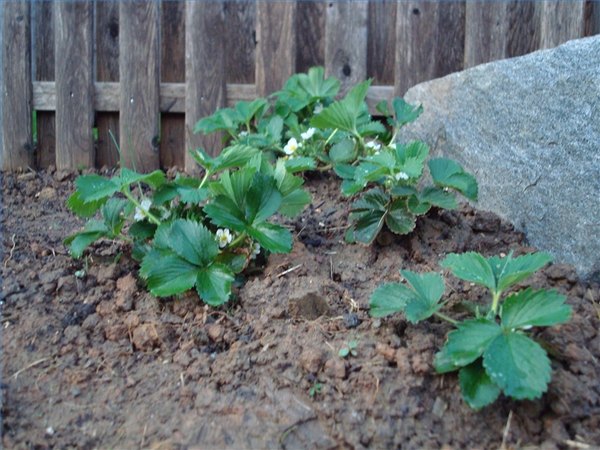
Photosynthesis is the process of converting carbon dioxide into organic compounds using energy from sunlight or artificial light. Plants use water and carbon dioxide to generate food and release oxygen into the atmosphere, a natural process that feeds all other life on our planet. The green pigment chlorophyll, which is present in most plant life, absorbs light.
Types
Natural daylight from the blue part of the spectrum is optimum for the initial stage of plant growth. Artificial light will work almost as well--fluorescent, incandescent, LED or high-intensity discharge lamps (like metal halide or high pressure sodium). High intensity discharge lamps offer the best indoor lighting option, allowing for a controlled environment with faster production and quick growth from seed.
Features
The flowering stage of plant growth requires light from the red and orange part of the spectrum. By limiting the amount of light and the number of hours exposed, you can induce the flowering stage artificially. The plant knows to start reproducing and begins its flowering stage, laying seed for another season and finally reaching dormancy.
Considerations
Light is just one factor that influences plant growth. Climate, altitude, weather, fertilizer and pest control also affect plant growth and production. Artificial light conditions allow you to manipulate the growing environment and produce at a more rapid pace.
About the Author
Based out of Phoenix, Abigail Smestad has been a freelance writer for over six years. She graduated from the University of New Hampshire with a Bachelor of Arts in English and journalism, where she was lead writer and editor of the university magazine. She has contributed human interest and health articles to the "Lowell Sun," the "Portsmouth Herald," Valley Publishing, and Demand Studios.
Photo Credits
Personal Garden; beans and sunlight