How Often Should You Water a Flower Garden?

Water is the single most important nutrient your garden needs to thrive. Too much and the roots suffocate or rot, causing death; too little and the roots dry up, causing death. How often you water your garden depends on the soil type: clay, sand or a loam mix; what kind of plants you have; and the amount of rainfall your garden receives. Place a rain gauge in your garden to monitor the amount of rainfall you receive. Use this, in conjunction with the dryness of the top 1/2 to 2 inches of soil, to determine when you should water. Does this Spark an idea?

  1. How to Water Plants

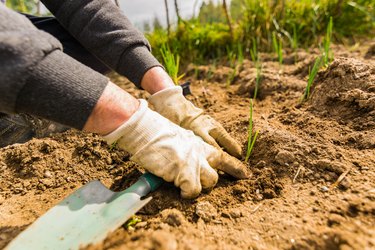
    • Watering plants might seem simple. You just pour water over them several times a week and it's done. This is not quite true. Different plants need different amounts of water. As a general rule, flowering plants need about 1 inch of water a week. This includes any rain you might receive. Plants with taproots need less water than plants with shallow roots, as the tap roots penetrate deeply into the soil and can access moisture retained in lower layers, sometimes down 2 or 3 feet. Shallow-rooted plants can access the moisture only in the top 2 to 3 inches of soil and will need to be watered more frequently. Apply water directly to the soil, not over the plant, to avoid the spread of disease.

    Soil Types

    • When, and how much, to water depends on the type of soil you have in your flower garden. Clay soils are made up of small, sticky particles, which allows it to hold water for days. Sandy soils are made up of large particles that allow water to pass through quickly. Loam soils are a combination of clay and sand particles and are classified as clay loam, loam and sandy loam. These soils hold water like clay soils, yet allow water to drain like sandy soils. To find how fast your soil drains, dig a hole about 30 inches deep and fill it to the top with water. If all the water drains from the hole in 24 hours, you have a loam soil. If the water drains from the hole in less than 12 hours, you have sandy soil. If it takes more than 48 hours for the water to drain, you have clay soil. This give you an idea how long to wait between water applications.

    Clay Soil

    • Plants in clay soils, whether shallow rooted or having a taproot, will need to be watered less frequently than plants in other types of soil. For clay soils, wait until the top 2 to 3 inches of soil are dry before watering. This might mean, for your garden, you will need to water only every third or fourth day. Do not allow clay soils to dry out completely, as clay, when dry, has a brick-like consistency that can harm plant roots. Work compost or well rotted manure into clay soils to give them a better texture. The goal is to turn your clay soil into a clay loam soil. This allows water to drain better and faster and for plant roots to penetrate deeper. It's easy to overwater plants in clay soils. Signs of overwatering include: wilting, yellowing leaves and bloom, fruit and leaf drop. If you see any of these signs, stop watering, work compost, leaf mold or rotted manure into the soil around the plants to absorb excess water, and wait until the top 2 to 3 inches dries out before watering again.

    Sandy Soil

    • Plants in sandy soils will need to be watered more frequently and will need more water per week than plants in clay soils. Wait until the top 1/2 to 1 inch of soil is dry before watering. You might have to water daily and apply 2 to 3 inches of water per week instead of one to keep your plants healthy. Just like clay soils, working compost or well-rotted manure into the soil will increase the amount of water the soil can hold, lessen the frequency of watering and conserve water by reducing the amount of water you will need to apply. For sandy soils, choose herbs with Mediterranean backgrounds like lavender and sage or plants that are drought-resistant, such as echinaceas. Doing this will increase the amount of time between watering from every day to every two to three days.

    Watering Containers

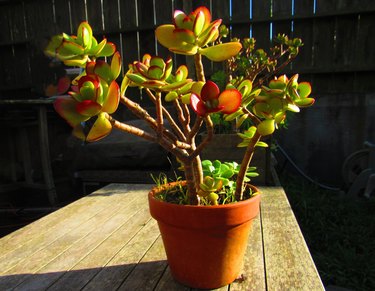
    • Plants in containers need more frequent watering than garden plants. Allow the top 1 inch of soil to dry before watering. This means you will need to water every other day or every second day. Containers in full sun on a stone, brick or concrete patio may need to be watered twice a day, as the heat reflected from the stone can dry out soil quickly.

Related Searches:

References

Comments

You May Also Like

Related Ads

Featured