Acepromazine maleate, also known as "ace" for short, is prescribed as a sedative or tranquilizer for dogs. It is sold under the brand name PromAce. This drug can be administered by mouth in the form of a tablet, but it can also be given in the form of an injection when dogs need to be calmed in the veterinary hospital. Many dogs can benefit from the use of acepromazine, but there are circumstances in which this drug wouldn't be appropriate. Also, it's necessary to know how to give your dog the right dose to avoid unwanted effects.

Video of the Day
What does acepromazine do for dogs?
Though it doesn't actually reduce anxiety, this drug causes sedation, which can help dogs suffering from anxious reactions to stressful events, such as thunderstorms, fireworks, or travel. Veterinarians also sometimes use acepromazine to treat motion sickness, but other medications, like Cerenia, are now more commonly prescribed for that.
Video of the Day
Used in combination with opioid pain relievers, acepromazine helps dogs recover from surgeries. It is also often used as an injectable preanesthetic before procedures to help make dogs easier to handle and to help reduce their stress.
Acepromazine for dogs dosage
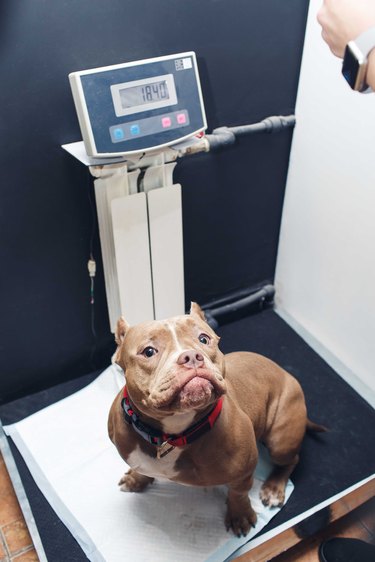
The normal prescribed dosage for acepromazine is 0.25 milligrams to 1 milligram per pound of body weight (0.5 to 2.2 milligrams per kilogram) every 8 to 12 hours. Acepromazine comes in 10-milligram and 25-milligram tablets, scored in quarters for easy splitting.
Dosage recommendations by weight are:
- Acepromazine dosage for 30-pound dog: 7.5 to 30 milligrams
- Acepromazine dosage for 40-pound dog: 10 to 40 milligrams
- Acepromazine dosage for 90-pound dog: 22.5 to 90 milligrams
- Acepromazine dosage for 100-pound dog: 25 to 100 milligrams
Timing doses of acepromazine for dogs
The minimum effective dose of acepromazine works best when administered 45 minutes to one hour before the expected stressful event. This particular dog tranquilizer can cause some sedation 20 to 30 minutes after ingestion but maximum effect can take one hour. The sedative effect should last several hours, though the drug does remain in the dog's system for up to three weeks.
Sedative effects of acepromazine in dogs
Proper dosage should calm the dog and make them sleepy. Lack of coordination can also result, so watch sedated dogs closely to help prevent them from injuring themselves or others. In some dogs, body temperature may go up or down. Heart rate can also decrease.
The nictitating membrane, or third eyelid, isn't very visible in most dogs, but it can become elevated and therefore more visible after using acepromazine. Pet parents may be concerned, as it might look like the dog's eyes are rolling back, but that is not the case.
Acepromazine side effects and overdose in dogs
Veterinarians say an overdose of acepromazine is difficult to accomplish, and higher doses of the drug typically cause no ill effects. However, a dangerous overdose isn't impossible. Follow your veterinarian's dosing instructions closely to prevent toxicity.
Signs of an overdose include severely low blood pressure (hypotension), pale gums, excessive sleepiness, arrhythmic heartbeat (bradycardia), and seizure. Cardiovascular collapse and death are also potential severe side effects of acepromazine.
If your dog experiences side effects or you suspect an overdose, seek veterinary attention immediately. The veterinarian can treat overdose symptoms until the dog's liver metabolizes the drug and clears it from their system.
How safe is acepromazine for dogs?
Generally, when used as directed, acepromazine can be safe and effective. However, any drug can cause a reaction, so it's best to take some precautions.
Older dogs and first-time users of acepromazine should begin at the lowest recommended dose. Observe the dog's behavior and symptoms before increasing or decreasing the dosage.
If acepromazine is given post-op and prescribed as ongoing treatment, the dog's liver will become adapted to the drug and more efficient at removing it. This means the dosage will gradually need to increase to remain effective.
Once a dog has ceased use of acepromazine, begin with the lowest dose once more if they ever need the drug again.
Acepromazine contraindications for dogs
There are some cases in which acepromazine should not be used. If your dog has been diagnosed with another health condition, such as liver disease or heart disease, your veterinarian will determine whether it is safe. Also, acepromazine should never be used in dogs diagnosed with epilepsy or those with a history of seizures, as the drug lowers a dog's seizure threshold, making it likely that they'll have a seizure.
Tell your veterinarian if your dog has recently gotten a flea dip or treatment that contained organophosphates. Also, to avoid drug interactions, let your veterinarian know about any other medications and supplements that your dog is taking.
Certain breeds react poorly to acepromazine. Boxers tend to have exaggerated reactions to minimal doses of acepromazine, such as episodes of bradycardia and hypotension. Collie-type breeds and sighthounds, such as greyhounds, wolfhounds, Afghans, Salukis, and whippets, may be more sensitive to the effects of acepromazine, so it should be used with caution. Terrier breeds tend to metabolize this drug faster than other dogs and show resistance to its effects. Veterinarians can still use acepromazine in combination with atropine for breeds that are sensitive to the drug but will monitor those dogs closely.
Acepromazine isn't advisable for fearful or aggressive dogs because these dogs are unpredictable on this sedative. Acepromazine induces a sleepy state that can be overcome by adrenaline long enough for a dog to deal with a perceived threat and then return to sleepiness. Do not allow small children to bother a sedated dog because even though they look sleepy, they may unexpectedly bite.
The bottom line
Acepromazine, or ace, is a sedative that can be used to calm dogs. Dosage will depend on a dog's body weight and typically ranges from 0.25 to 1 milligram per pound. There are some cases in which this drug isn't recommended. As with all medications, it's important to monitor your dog for side effects and alert your veterinarian promptly if any occur.