Health Risks of Vegetarian Diets

Health Risks of Vegetarian Diets thumbnail
Health Risks of Vegetarian Diets

The vegetarian diet is one of the healthiest diets that exist. Nevertheless, with every diet, you may encounter some drawbacks. The drawbacks of the vegetarian diet are mostly nutrition based. The stricter the vegetarian diet is the more likely there is to be health risks.

  1. Types

    • According to the American Dietetic Association, 2.3 percent of Americans follow a vegetarian diet. That adds up to 4.9 million Americans. There are several types of vegetarianism. Lacto-ovo vegetarians eat milk and eggs. Lacto vegetarians consume milk and no meat. Vegans exclude meat and all food from animal sources.

    Protein Deficiency

    • Vegetarians are at risk of a protein deficiency. This mostly applies to vegetarians who don't eat cheese or eggs. Most vegetarian sources of protein are incomplete proteins, proteins missing one or more essential amino acids. The good news is this can be prevented by eating a variety of protein from different sources. Good sources of protein for vegetarians include peanut butter, tofu, nuts and beans.

    Vitamin B12 Deficiency

    • You find vitamin B12 mostly in meat and animal products, putting vegetarians at risk of a vitamin B12 deficiency. Fortified foods like cereal can be a good source of vitamin B12 for strict vegetarians.

    Iron Deficiency

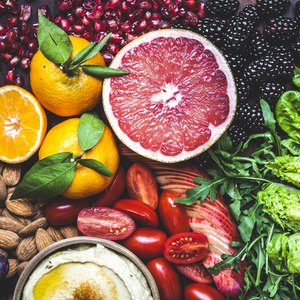
    • Because of low availability of iron in the diet, vegetarians may be at risk of an iron deficiency. Iron deficiency manifest symptoms like fatigue, decreased immune function and decreased body temperature. Vegetarians can obtain iron from foods like raisins, blackstrap molasses and broccoli. To enhance the body's absorption of iron, eat these iron sources with vitamin C rich foods like orange juice or tomatoes.

    Calcium and Vitamin D Deficiencies

    • The vegetarian diet can also cause a calcium deficiency, which may result in future fractures, especially for strict vegetarians. Diets rich in fortified foods, spinach, and soy products often remedy this potential calcium deficiency.
      Vitamin D builds strong bones by aiding calcium. Vegans risk a vitamin D deficiency, especially if they don't receive enough sunlight. Vitamin D can be found in some soy products and fortified cereals.

    Intestinal Discomfort

    • Typically, the vegetarian holds more foods with fiber in it. The new vegetarian may notice intestinal discomfort like gas. If you're becoming a vegetarian, it might be more comfortable for you to ease into your new diet.

    Considerations

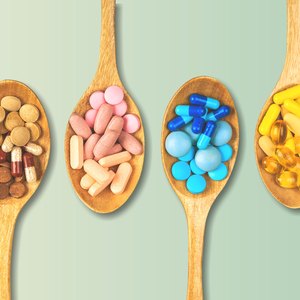
    • The stricter your vegetarian diet is the more likely you are to develop problems. These diets can be safer if you consult a dietitian to help plan meals and give advice. The dietitian may also suggest that you take a dietary supplement.

Related Searches:

References

Resources

  • Photo Credit USDA photo by Scott Bauer

You May Also Like

  • Health Advantages of Vegetarian Diets

    Health Advantages of Vegetarian Diets. Vegetarian diets are becoming more popular for many reasons including the ethical treatment of animals, weight management...

  • Health Benefits of a Vegetarian Diet

    There are growing numbers of people who want to begin eating a vegetarian diet, which means abstaining from eating meat. This usually...

  • Benefits of Vegetarian Diets

    According to Brown University Health Education, "Broadly defined, a vegetarian is a person who does not eat meat, poultry, and fish. Vegetarians...

  • Vegetarian Diet & Health

    The vegetarian diet has sometimes been viewed by mainstream omnivores as inadequate to provide proper nutrition. But in a 2009 position paper,...

  • Vegetarian Health Tips

    Some vegetarians are concerned about getting sick from a vegetarian diet. Learn how to stay healthy as a vegetarian in this free...

  • Simple Vegetarian Diet Plans

    A vegetarian diet can be an effective way to stay healthy and prevent heart problems. There are three main types of vegetarian...

  • Different Vegetarian Diets

    Vegetarianism is a popular diet choice for both the health conscious and those concerned with animal rights. Several types of vegetarianism are...

  • Health Effects of Vegetarian & Vegan Diets

    Vegetarian and vegan diets offer protection in two ways. They reduce the number of harmful food choices a person can make and...

  • Disadvantage of Vegetarian Diets

    People become vegetarians for different reasons, including concerns about animal cruelty, environmental sustainability, and health. Non-vegetarians like to ask ...

  • Problems With Vegetarian Diets

    A strict vegetarian is a person who doesn't eat meat or fish. While vegetarians might confront more health or lifestyle issues than...

  • Vegetarian Diets for Seniors

    Vegetarian chili is an excellent meal for health conscious seniors. Bowl of vegetarian chili with pepper and cilantro garnish. image by William...

  • Disadvantages of a Vegetarian Diet

    With every nutritional lifestyle, whether omnivorous or vegetarian, there are pitfalls. There are unhealthy vegetarians--usually those who didn't do the research on...

  • Vegan Cleanse

    The 21-day vegan cleanse is the new fad diet created by Kathy Freston and featured in her new book "Quantum Wellness". The...

  • Why Are Vegetarians at Risk of Developing Vitamin B12 Deficiency?

    Has someone told you that vegetarians and vegans are at risk for Vitamin B12 deficiency? It's true that B12 is one of...

  • Health Risks of a Liquid Diet

    Losing weight is one of the primary reasons people choose to go on a liquid diet. The diets on the market promise...

  • Risks of Drinking Diet Soda

    Diet soda has long been touted as a no-calorie replacement for traditional caloric colas. Studies are starting to show that it may...

  • Rules for a Vegetarian Diet

    The vegetarian diet is simply a healthy way of eating. Many people ask, "What can vegetarians eat?" The answer is a huge...

  • What Are the Dangers of a High Soy-Based Diet?

    What Are the Dangers of a High Soy-Based Diet?. According to the Mayo Clinic, soy is a subtropical plant that has been...

  • Do Mints Raise Mouth Temperature?

    Though they may cause the sensation of a temperature change in your mouth, mints neither raise nor lower mouth temperature.

Related Ads

Featured