What is Vermiculite?

What is Vermiculite? thumbnail
What is Vermiculite?

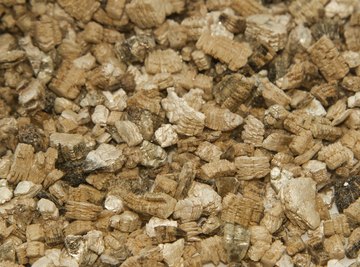
Vermiculite is a mineral that has numerous commercial applications. One of its properties is its tendency to expand when exposed to rapid increases in heat. Expanded vermiculite has been used as a component of insulation, concrete, potting soil and brake pad liners. Vermiculite from one major source, however, has been associated with asbestos and in some cases may pose a significant health risk.

  1. History

    • Prior to 1990, nearly half of the world's production of vermiculite came from a mine in Libby, Montana. The mine became contaminated with asbestos and fibers that resembled asbestos. The U.S. Centers for Disease Control (CDC) indicates that although there is currently no evidence that vermiculite itself poses any health risk, the contaminated vermiculite fibers produced serious health problems for local miners and others who were exposed to them. The mine ceased production in 1990.

    Horticultural Uses

    • Vermiculite has properties that make it an ideal soil additive for horticultural purposes. In its expanded form, the mineral improves soil aeration and provides excellent moisture retention. Horticultural vermiculite is sterile, non-toxic, odorless and permanent. It does not deteriorate, mold or rot and it typically maintains a neutral 7.0 pH level.

    Commercial Uses

    • In addition to its horticultural and agricultural uses, vermiculite is used extensively by the commercial and home construction industries. The mineral is an important additive to everything from gypsum plaster to acoustic and soundproofing materials. It is used in insulation and for fireproofing as well as for packing, filtration, and absorption. It is added to cement, paint, sealants and dozens of other materials for countless industrial applications.

    Geography

    • Vermiculite can be found in numerous countries throughout the world. Major commercial vermiculite mines are located in South Africa, China, Brazil, Zimbabwe and the United States. Until 1990 the most vermiculite was produced at the Libby, Montana mine, but currently most production comes from the Palabora region of South Africa and portions of China.

    Warning

    • When handled, loose vermiculite can release finely divided particulate materials commonly referred to as nuisance dust. This nuisance dust is similar to that produced by other common materials such as sugar, cement and grain. When handling loose vermiculite, workers should wear respiratory protection to prevent symptoms of dust inhalation such as sneezing, coughing and lung irritation. Prolonged unprotected exposure to nuisance dust can compromise the lungs' ability to clear the dust from the respiratory system and make the lungs more susceptible to disease.

Related Searches:

References

Resources

  • Photo Credit http://morguefile.com/archive/display/74401

You May Also Like

  • What Is Vermiculite Soil?

    Plants need rich, well-drained soil to thrive, and vermiculite can help boost their growing medium. Although vermiculite is often packaged with potting...

  • What Is Vermiculite Used for in Gardening?

    Vermiculite is a fire-resistant mineral ingredient derived from ore. Through heating, it forms in to large, lightweight, absorbent flakes. It is often...

  • Installation of a Vermiculite Pool

    A vermiculite pool is a good addition to any backyard if you are in the mood for fun and relaxation. Vermiculite is...

  • Vermiculite & Health Risks

    Vermiculite & Health Risks. The horticulture industry uses vermiculite, a light mineral, in commercial potting-mix formulas to increase the soil’s water-retention ...

  • Vermiculite Properties

    Vermiculite is a naturally occurring clay material that is added to soil and potting soil to provide better water retention and drainage....

  • What Is Vermiculite Soil For Horticulture?

    Vermiculite is a natural volcanic material similar to mica. Processed vermiculite has an expansive, foam-like texture that makes it an ideal soil...

  • How to Use Vermiculite

    Vermiculite is a versatile soil amendment that adds moisture to sandy soils. You can also use it to start seeds or to...

  • What Is Vermiculite Seed Starter?

    Vermiculite seed starter is a soil-less planting medium that consists of either all vermiculite or vermiculite mixed with other seed starter media...

  • Why Is Vermiculite Outlawed in Oregon?

    Two of the largest mines for vermiculite, one in South Africa and one in Libby, Montana, were found to be contaminated by...

  • Is Vermiculite Safe to Use?

    For decades, a mine near Libby, Montana supplied 70 percent of vermiculite sold in the U.S. Later, that vermiculite was found to...

  • Analysis of Vermiculite

    Discovered in 1824, vermiculite is a mineral primarily made of hydrated iron, silica and magnesium that expands when heated. It is found...

  • Can I Use Packing Peanuts Instead of Vermiculite in Potting Mix?

    Vermiculite is a mineral that flakes easily and expands in high temperatures. It is commonly used in potting mix, and can resemble...

  • Difference Between Perlite and Vermiculite

    Potting mixtures and root cutting media usually use the compounds perlite and vermiculite. These minerals expand when heated and are very light...

  • Vermiculite As a Soil Conditioner

    When soil problems strike, poor drainage is often the problem. Soil that holds excess water leaves a plant at risk of invading...

  • Uses for Vermiculite

    Uses for Vermiculite. Vermiculite is a naturally occurring, shiny, flaked mineral that closely resembles mica. Vermiculite flakes expand 8 to 30 times...

  • The Effects of Vermiculite

    Vermiculite is a mineral used as a growing medium and soil amendment for plants. It is also used in construction as a...

Related Ads

Featured