What Diseases Do Protists Cause?

Protists are mostly single-celled organisms that can cause many serious illnesses that can become life threatening if not treated properly. However, most of these illnesses can be treated and the cause of infection can be established.

  1. Description

    • Protists are eukaryotes, meaning they have a nucleus, and are classified in the Kingdom Protista, which also includes algae, protozoans and some types of fungus. These organisms are neither plant nor animal, which is why they are classified in their own kingdom. The term "protist" was coined in 1886 by Ernst Haeckel, a German zoologist and evolutionist. Protists can be parasitic, which means they cause damage while living in hosts. These parasitic protists are carried by "vectors," organisms that transmit the parasite and infect the human population.

    Malaria

    • Malaria is an infectious disease that kills up to 2.7 million people a year, mostly in tropical and subtropical climates such as areas below the Sahara Desert in Africa. Although it isn't seen much in the United States, travelers coming from countries such as Africa or South America can transmit the disease when they return home. Malaria is caused by a parasitic protist that is carried by the mosquito, a blood-sucking insect that is also known to spread the West Nile Virus. The protist takes up residence in the bloodstream, causing capillaries to clog and red blood cells to die. Symptoms include fever, excessive sweating, severe chills, malaise, vomiting and diarrhea.

    African Sleeping Sickness

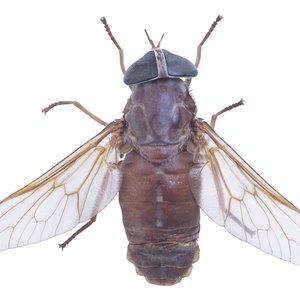
    • African sleeping sickness, also known as trypanosomiasis, is found mostly in areas below the Sahara Desert in Africa. The parasitic protist that causes this disease, trypanosoma, is carried by the tsetse fly, which is found only in Africa. Upon initial infection, symptoms may include headache, fever and severe joint pain. Once the protist moves on to the central nervous system, the host will experience coordination problems, fatigue and general confusion. Trypanosomiasis is deadly without medical treatment.

    Giardiasis

    • This disease is caused by the protist giardia, which is one of the most frequently found waterborne parasites in the United States. Infection typically occurs after drinking contaminated water, usually from a lake, stream or well. The parasite can also contaminate water through infected animal feces. These protists can be ingested directly or as cysts, which will break open inside the human body, releasing the parasite. Giardia will attach itself to the intestinal wall, causing watery diarrhea or oily feces, nausea, stomach pains and fatigue.

    Amoebic Dysentery

    • Amoebic dysentery is most commonly referred to as "Montezuma's Revenge." This affliction is caused by the amoeba Entamoeba histolytica and is transmitted similarly to giardiasis, infecting the host through ingestion of contaminated water or food. The parasite can be ingested as either free amoebae, which usually die in the acidic environment of the stomach, or infective cysts, which can burst open and release the parasite into the intestines. This disease typically affects travelers visiting foreign countries where water could be contaminated. Symptoms include bloody diarrhea, pain during bowel movements or peritonitis, which is an infection of the intestinal lining.

Related Searches:

References

Resources

You May Also Like

  • What Are the Parts of an Amoeba Protist?

    A protist is a single-celled, plant- or animal-like organism. Protists are eukaryotic, meaning, their specialized cell structures (organelles) are surrounded by ...

  • Types of Protozoan Diseases in Crop Plants

    Types of Protozoan Diseases in Crop Plants. Protozoa, or protists, are single-celled organisms. According to Ohio State University at Mansfield's Dr. Stephen...

  • Types of Fungi That Cause Plant Disease

    Types of Fungi That Cause Plant Disease. Plant diseases are easy to identify and some common signs include wilting leaves, moldy coating...

  • Human Disease Caused by Protozoa

    You May Also Like. Types of Protozoan Diseases in Crop Plants. Types of Protozoan Diseases in Crop Plants. Protozoa, or protists, are...

  • Fungi & Fungus Diseases

    Fungi cause various diseases of animals as well as human beings. Some of the serious human diseases---for example, diseases of skin, ear,...

  • Human Diseases Caused by Cat Feces

    Most diseases are shared within a certain species---cats pass along diseases to other cats and humans infect other humans. But some diseases,...

  • Organisms That Eat Organisms

    An organism that eats or consumes another organism for its survival is known as a heterotroph, while an organism that makes its...

  • Stream Ecosystems and Parasites

    Protists are single-celled organisms. Most protists need water to live, and stream ecosystems offer just the right environment. Drinking fresh water from...

  • Dysentery Definition

    Dysentery is a pathological disorder within the intestine that causes "severe inflammation of the mucous membrane." It is coupled with bloody stools,...

  • What Diseases Do Cigarettes Cause?

    It is no secret that smoking tobacco leads to serious health problems and a wide variety of diseases. Cigarette smoking is the...

  • Camellia Dieback Disease

    More than 200 species of camellia plants have been discovered. They are native to southeastern Asia. Most camellia species are susceptible to...

  • Characteristics of Protozoa & Algae

    Protozoa and algae are large divisions of protists, which are a major component of plankton. Protozoa have an animal-like behavior whereas algae...

  • About Amoebic Dysentery

    Amoebic dysentery, also known as intestinal amebiasis, is an infectious disease that is characterized by inflammation of the intestine and colon, which...

  • Types of Viral Diseases in Plants

    Types of Viral Diseases in Plants. Viruses are microscopic organisms that cause diseases in living species. Many plant viruses spread from one...

  • How to Avoid the Brain-Eating Amoeba

    Naegleria fowleri is a free-living amoeba found in warm freshwater. If it finds its way up a swimmer's nose and reaches the...

  • Diseases That Raccoons Can Spread to Humans

    Diseases That Raccoons Can Spread to Humans. Humans can come in contact with raccoons in the wild, but also unexpectedly in their...

  • What Are the Causes of Bone Disease?

    Bone disease is classified as any disease that affects the bones. There are numerous types of bone disease, each with different causes....

  • Types of Protozoan Diseases

    Protozoa are single celled beings, some of which cause diseases in humans. The protozoan diseases vary from mild to life threatening. Almost...

  • Organisms in the Kingdom Monera

    Taxonomists classify all life on Earth in one of five kingdoms. Members of the the first four kingdoms, Animalia, Plantae, Fungi and...

Related Ads

Featured