
Glycolic acid, also known as hydroxyacetic acid, is a type of alpha hydroxyl acid. It is a versatile acid used in products from cosmetics to industrial cleaning solutions. The simplest of the alpha hydroxyl acids, the small organic molecules of glycolic acid contain both acidic and alcoholic properties. Pure glycerin is actually glycerol, an alcohol. Glycerin refers to the impure, commercial version of glycerol.
Natural Sources
Glycolic acid is found naturally in grapes, beets, other fruits and sugarcane and is nonflammable. Glycerin is found naturally in fat and is extracted from the fats involved in soap manufacturing.
Odor and Toxicity
Glycolic acid has negligible odor and low toxicity. Pure glyercin is odorless and nontoxic with a sweet taste, but crude glycerin, the byproduct of biodiesel production is neither odorless nor nontoxic.
Solubility
Glycerol is water soluble, leaving little residue when rinsed off. It dilutes easily and is a flexible liquid in manufacturing due to its low salt content.
Glycerin dissolves in water or alcohol, but it will not dissolve in oils. It is also a solvent because certain substances dissolve more quickly in glycerin than in alcohol or water.
Industrial Uses
Industrial-grade glycolic acid is used in cleaning products for hard surfaces, metal, concrete, boilers, and dairy and food equipment. It is also used in textile dyeing, industrial chemical manufacturing, petroleum refining and printed circuit board manufacturing.
Years ago, the primary use of glycerin years was making dynamite. Glycerin has also been used to lubricate molds, as an anti-freezing agent for hydraulic jacks, as an ingredient in printing inks and to preserve science specimens.
Cosmetic Uses
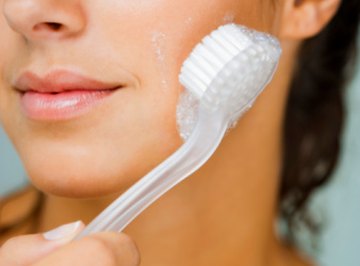
In recent years, skin care products containing alpha hydroxyl acids have increased in popularity. A cosmetic grade of glycolic acid is used for its ability to slough off dead skin cells and freshen the look of skin. Glycolic acid also reduces the amount of surface skin oil, which aids in the removal of blackheads and other skin impurities and may help stimulate collagen production within the dermis, the layer of the skin located below the epidermis.
Pure glycerin might cause blisters but diluted with water, glycerin acts as a skin softening agent. Glycerin can be used as a base for lotions and is used to make pure soaps — soaps that melt quickly in water.
Medicinal and Food Uses
Glycerol is sometimes used as a laxative. Its high water content causes stool to soften. It can also be used as a ophthalmic agent to reduce eye pressure prior to eye surgery.
Glycerin is used in conserving preserved fruit and in candy and cake making. It may also be safely used in cough and acetaminophen syrups.
References
- Glycolic.org: Glycolic acid -Fruit acid (AHA) Glycolic Acid facial treatments for glycolic peels
- Nemours KidsHealth: Glyercin
- The Mayo Clinic: Glyercin
- University of Idaho Biodiesel Tech Notes: Characterization of Crude Glycerol from Biodiesel Production from Multiple Feedstocks
- PioneerThinking: What is Glycerin?
About the Author
Patricia Woodside has written articles, business proposals and training manuals since 1985 while working in information systems management and business consulting. In 2006, she began writing short fiction for women's magazines, The Wild Rose Press and Amani Publishing, and book reviews for FreshFiction.com. Woodside received an engineering degree from Cornell University and an MBA from the University of Cincinnati.
Photo Credits
Jupiterimages/Pixland/Getty Images