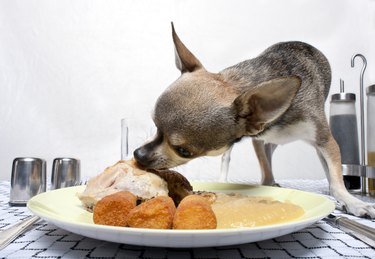
Feeding your dog certain foods can cause the formation of bladder stones, a mineral deposit that can form in the kidneys and urethra. Bladder stones in dogs can lead to severe health problems if left untreated, so providing your dog with a healthy diet is important to prevent the stones from occurring.
Identification
Video of the Day

Bladder stones in dogs can cause symptoms such as frequent urination with minimal fluid output, difficulty and straining with urination and blood in the urine. Recurring bladder infections can often indicate the presence of bladder stones, although in some dogs there may be no outward signs.
Video of the Day
Effects

If left untreated, bladder stones in dogs can cause an obstruction to the urethra that can prevent urination. Untreated bladder stones can also cause the bladder to lose its ability to function properly even if the stones are eventually removed.
Considerations
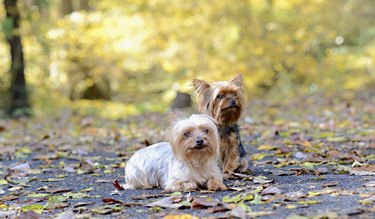
Some dog breeds are more prone to bladder stones, such as Yorkshire terriers, chihuahuas, Lhasa Apsos, dachshunds and dalmatians. Genetics can play a part in bladder stone formation, so dogs with parents that suffer from the condition have a higher risk of developing stones.
Types of Foods
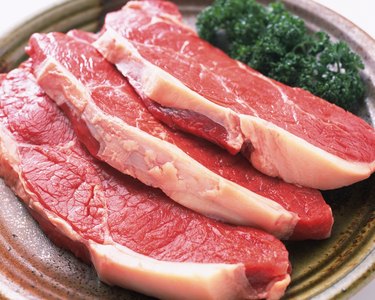
Foods high in protein, particularly red meats and animal fats, increase risk of bladder stones in dogs. Foods high in oxalates, which contribute to stone formation, such as wheat germ, sweet potatoes, beans and soy products, should also be avoided.
Prevention

A well-balanced diet that contains easily digested proteins and is low in fat will help prevent bladder stone formation. Avoid feeding the dog table scraps and junk food, which can pose a health risk as well. Dogs prone to bladder stones may benefit from a food prescribed by your veterinarian.