With the exception of splenic growths, abdominal tumors are uncommon in dogs, but when they occur, they are often fatal. While some abdominal tumors are benign, most are caused by cancer. Stomach cancer, also called gastric carcinoma, is considered a silent killer since dogs rarely show symptoms until they are in an advanced stage. Because of this, the prognosis is poor. Therefore, pet owners should be informed of the symptoms, causes, and treatment options to ensure the best possible outcome.

Video of the Day
What is an abdominal tumor in dogs?
An abdominal tumor in a dog is a mass or lump that has developed in an abdominal organ, such as the liver, spleen, intestines, colon, or stomach.
Video of the Day
When the growth of cells in a dog's stomach lining or muscle layer begins to replicate abnormally, they become cancerous and form tumors. Although these tumors can be benign or malignant, they are more likely to be cancerous. Malignant cancer in dogs is often aggressive and metastasizes or spreads quickly to other parts of the body. Even if a tumor is benign, it can harm a dog's health.
Types of abdominal masses in dogs
Abdominal masses can be caused by many conditions. These are some of the most common:
- Lipoma: This is a benign fatty tumor. They are typically found below the skin but occasionally grow in the abdomen. Although they will not spread, your veterinarian may recommend removal.
- Leiomyosarcoma: This type of cancer grows as lesions in the smooth muscles of the stomach and intestines. Leiomyomas are the benign version and primarily affect older dogs whereas leiomyosarcomas are aggressive and painful.
- Lymphosarcoma: Also known as lymphoma, it is a cancer of the lymphocytes, a white blood cell of the dog's immune system. It is aggressive and can be found anywhere a dog has lymph tissue. In the abdomen, lymphoma usually affects the gastrointestinal tract.
- Adenocarcinoma: This malignant tumor originates in glandular or epithelial tissue. Adenocarcinomas can occur in many parts of the body and are most frequently seen in dogs over 6 years old. Gastric adenocarcinoma can affect the stomach and intestine, often metastasizing rapidly to other areas, such as the spleen, liver, and kidneys. The similarly named adenomas are a benign skin tumor not found in the abdomen.
- Mast cell tumor: This type of tumor is caused by the uncontrolled growth of a type of white blood cell that responds to inflammation and allergens, called a mast cell. They form masses most often found on the skin but metastasis can occur in the spleen, lymph nodes, liver, or gastrointestinal tract. This can result in a swollen or enlarged abdomen caused by fluid buildup.
- Plasmacytoma: This rare white plasma cell tumor can occur in multiple sites on a dog's body, including the abdomen. The spleen, liver, lymph nodes, and other organs may be affected. They are most often benign.
- Fibrosarcoma: This type of tumor is aggressive and hard to treat. It originates in a dog's connective tissue and muscles and metastasizes quickly. Often, it is first noticed as a hard lump under the skin but quickly spreads to the bones and organs of the dog's body.
- Hemangiosarcoma: While this cancer can grow in the cells of blood vessels throughout the body, the spleen, which sits in the left side of the abdomen, is the most common site. It is aggressive and more common in middle-age or older dogs. Often, there is no sign of illness until the tumor ruptures, dumping blood into the abdomen.
- Gastrointestinal stromal tumor: This forms from the cells of the supporting structure of the gut, known as the stroma. They most often appear in a dog's stomach or small intestine. They are considered rare.

Causes of abdominal tumors in dogs
While there is no clear answer as to why one dog may develop stomach tumors and another will not, some factors can make them more likely to occur. Abdominal tumors are more common in older dogs and breeds with a genetic predisposition. Environmental and genetic factors and a dog's sex can also affect the likelihood of a dog experiencing these tumors.
Gastrointestinal cancer in dogs
Gastrointestinal cancer is relatively uncommon in dogs, but it does occur. The most common type of canine cancer affecting the intestinal tract is lymphoma, followed by adenocarcinoma. Dogs over age 9 are most likely to develop the disease, with males affected more than females. German shepherds, standard poodles, chow chows, and collies are some breeds predisposed to gastrointestinal cancer.
Signs of gastrointestinal cancer in dogs
If your dog is suffering from gastrointestinal cancer, they may have any of the following clinical signs:
- Weight loss
- Diarrhea
- Vomiting
- Loss of appetite
- Blood or dark, tarry stools
- Constipation
- Swollen abdomen
- Lethargy
All of these symptoms resemble other gastrointestinal diseases and conditions. If your dog has any of these symptoms, you must take your dog to see a veterinarian.

Lymphoma symptoms in dogs
Dogs who have lymphoma in their abdomen may experience any of the following symptoms:
- Loss of appetite
- Enlarged lymph nodes
- Anemia
- Jaundice or yellowing of the gums and whites of eyes
- Increased thirst and urination
- Coughing
- Lethargy
- Fever
- Labored breathing
All these may be signs of other equally severe illnesses in your dog. If your dog is experiencing any of these symptoms, take them to a veterinarian as soon as possible.
Hemangiosarcoma symptoms in dogs
Hemangiosarcoma often shows no symptoms until the tumor has ruptured, and the dog is in grave danger. Some of the signs to look out for include the following:
- Lethargy
- Weakness
- Lack of appetite
- Nose bleeds
- Abdominal swelling
- Pale gums
- Labored breathing
If your dog has started breathing heavily and has pale gums, they may be going into shock. Without urgent veterinary care, they will collapse and die. Seek immediate veterinary attention if your dog is showing any of these symptoms.
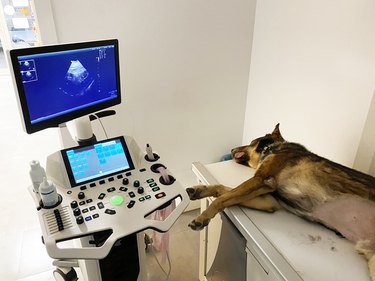
How is stomach cancer in dogs diagnosed?
Your veterinarian will give your dog a physical examination, including abdominal palpation, X-rays, abdominal ultrasound, and other diagnostic tests. Bloodwork, urinalysis, endoscopy, histopathology, biopsy, and possibly surgery may be necessary to identify the type of cancer and establish how the tumor is likely to behave. This will enable your veterinarian to give you a prognosis and treatment plan.
What are the treatments for abdominal tumors in dogs?
Although treatment depends on the type of tumor and how far it has spread, surgical removal of the tumor is the primary treatment for abdominal cancer in dogs. However, chemotherapy or radiation therapy may be recommended in cases of lymphoma. A veterinary oncologist will discuss treatment options and outcomes with you in detail. Because gastrointestinal cancer usually has a poor outcome, surgery and other suggested treatments will be palliative and designed to provide your dog with pain relief and the best quality of life possible.
The bottom line
Abdominal tumors in dogs are often caused by cancerous growths. With the exception of splenic tumors, abdominal cancers are generally uncommon. They are often fatal, as their symptoms only become evident at an advanced stage. If you have an older dog or a dog with a genetic predisposition to abdominal or intestinal tumors, ensure that you discuss this issue with your DVM. If your dog shows any signs of abdominal tumors, seek veterinary advice immediately.