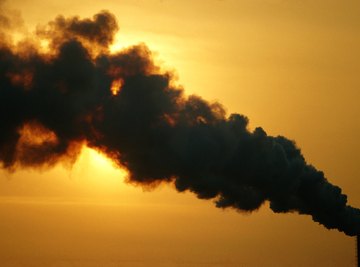

Pollution – it certainly holds an ominous reputation, and for good reason. Pollution is a long-term problem that has the potential to impact our entire planet, and chemical pollution makes up a huge component of the danger involved. You likely understand that many different forms of pollution exist and can impact you, wildlife and the environment in numerous ways. But what is chemical pollution and how exactly does it impact the environment and your health?
What Is Chemical Pollution?
You likely understand that many chemicals can pose a danger to our health and the environment, but exactly what is chemical pollution? Chemical pollution is defined as the increase or overall presence of a potentially harmful chemical that either doesn't exist naturally in an area or exists in lower concentrations. Though some natural disasters (such as volcanoes) can release chemical pollutants, most chemical pollution occurs through manmade manufacturing or other human activities.
Three Examples of Chemical Pollution
Chemical pollution can impact our Earth in several different ways. Some of the most common and impactful chemical pollution examples are chemical water pollution, air pollution and soil pollution. Chemical soil pollution generally only impacts the direct site, but can spread into waterways (resulting in water pollution) or can invade the groundwater and impact the drinking water supply.
Chemical water pollution poses a danger to human drinking supply as well as to the ecosystem and the environment as a whole. Chemical pollutants entering the water can bioaccumulate in animals, resulting in illness, poor reproductive success or fatality. They can also cause sickness and long-term health problems in humans.
Chemical air pollution has repercussions on a global scale. Pollutants in the air can impact the ozone layer and may cause worldwide changes in temperature and climate, including global warming through the greenhouse effect. Air pollution also impacts people on a local scale, causing increases in conditions such as asthma.
Common Chemical Pollutants: PCBs
Polychlorinated biphenyls, better known as PCBs, are chemicals composed of hydrogen, chlorine and carbon. Prior to the banning of their use in 1979, manufacturers used PCBs in the production of paint, plastic, rubber, dye, hydraulic equipment and many other products. The primary concern with PCBs is that they fail to break down once they've been released into the environment and can instead circulate through the air, water or soil for long periods.
For example, through improper disposal PCBs accumulated in the sediments of waterways in certain regions. These chemicals bioaccumulated in the tissues of the fish and shellfish in those areas. When other animals or people consume the contaminated fish or shellfish, it can cause adverse health effects such as neurological or developmental problems.
Common Chemical Pollutants: Pesticides and Fertilizer
Other forms of chemical pollution that can seriously impact the environment are pesticides and fertilizers. When used properly and in moderation, approved pesticides pose only minimal danger to the environment. However, homeowners or corporations often apply these chemicals in amounts greater than those recommended or prior to heavy rainfall. In these instances the chemicals can run off into local water supplies, which results in chemical water pollution.
The nutrients in these chemicals can cause overgrowth (or 'bloom') of naturally occurring algae. These harmful algal blooms quickly consume all of the nutrients from the chemical pollutants and also absorb all of the oxygen and other nutrients in the water. This kills off plant and animal life within the area.
Many of these algae species can also cause problems when consumed in large quantities. Small fish feeding on the harmful algae might not be impacted, but predators higher in the food chain suffer. The predators, who eat many of the smaller fish containing the harmful algae, accumulate toxic levels of the algae in their systems. This can result in poisoning, neurological damage and death.
References
Resources
About the Author
Marina Somma is a freelance writer and animal trainer. She holds a B.A. in Psychology and a B.S. in Marine and Environmental Biology & Policy from Monmouth University. Marina has worked with a number of publications involving animal science, behavior and training, including animals.net, SmallDogsAcademy and more.
Photo Credits
David De Lossy/Photodisc/Getty Images