Did you know that some people can be allergic to dog saliva? If you own a dog or you're around dogs on a regular basis, this is a condition you'll want to look into to make sure it doesn't affect you or anybody you know. Symptoms of a dog saliva allergy include itchiness, coughing, and a rash among other issues. Your doctor can help you figure out if you need medications to control your allergy.

Video of the Day
Can you be allergic to dog saliva?
Some people are allergic to dog saliva. However, this allergy typically comes under the umbrella of a general allergy to dogs. In other words, it's not just dog saliva you're allergic to — it's also dog dander (flakes of dead skin) and dog urine.
Video of the Day
Dog allergies are relatively common. As many as three in 10 people with allergies in the United States have allergic reactions to cats and dogs. If you're wondering if you have an allergy, pay attention to whether you experience certain symptoms when you are around a dog.
Symptoms of a dog saliva allergy
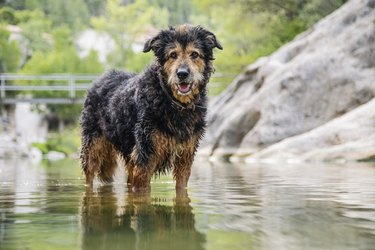
If you are allergic to dogs, you might experience symptoms, such as swelling and itchiness around your nose and eyes, coughing, shortness of breath or wheezing, and a rash on your face. You can experience these symptoms even if you don't directly touch a dog. For most people with allergies, just being around a dog is enough to trigger symptoms. People who have asthma might also have an asthma attack, and children who have a dog allergy are prone to developing eczema, an itchy and painful skin inflammation.
Some people notice that dog licks can cause a rash or redness on the skin. Others get hives from dog saliva. This is simply one of the related symptoms, serving as another sign of an allergy to dogs.
Treating a dog saliva allergy
Normally, dog saliva allergies aren't dangerous. However, they can be unpleasant to deal with and difficult to control. If you suspect you're allergic to dog saliva, speak with your doctor. He will listen to your concerns and run allergy tests. Treatment for a dog allergy might include medications, such as antihistamines, immunotherapy, or decongestants.
In most people, dog allergies are not severe. Some people can even live in the same home with a dog. Others may need to look into hypoallergenic dog breeds that won't aggravate their symptoms.
Can pet allergies come on suddenly?
What if you've never had an issue with dogs before, but you're suddenly breaking out in hives every time your dog licks you? It is possible for pet allergies to develop suddenly. Some people do not have allergies as a child but develop adult-onset allergies when they get older.

If you have developed a dog saliva allergy, it's worth checking for related conditions too. For example, many people who are allergic to dogs also react to cats. Your doctor can help you work out what exactly you're allergic to and the steps you need to take to be able to enjoy life with your pets.