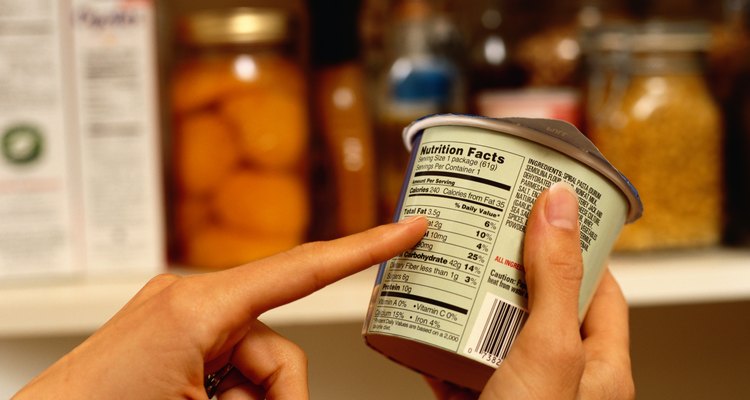
In this era of food label inspection and healthy eating, consumers want to know exactly what is in the food they consume. They may question what, specifically, the word "light" or “lite” on a label means. The word has been tossed around in so many ways that it is difficult to know its exact definition. Your best bet might be to prepare a light menu that lives up to the standards set by the Food and Drug Administration. Your light menu items may also have some of their ingredients changed to lower the fat content.
FDA Definition
The FDA has regulations in place to help consumers understand exactly what nutrients, fats and calories they are getting in their food. A food may not be labeled "light" unless it meets these FDA standards: the fat content of a high-fat food has been reduced by at least 50 percent; a food with not more than 50 percent fat has been reduced in calories by 30 percent or fat by 50 percent; or the sodium content has been reduced by at least 50 percent.
Lite
Some food companies put the word "lite" on their packaging, and restaurants may add the word to describe some of their meals. Because the FDA has no regulations regarding the use of this made-up word, manufacturers may use it to circumvent regulations and still claim that their product is lower in fat and calories. The correct way to determine if the food adheres to the FDA regulations is to compare the labels of the regular food and the lite version to see how they stack up.
A Light Meal
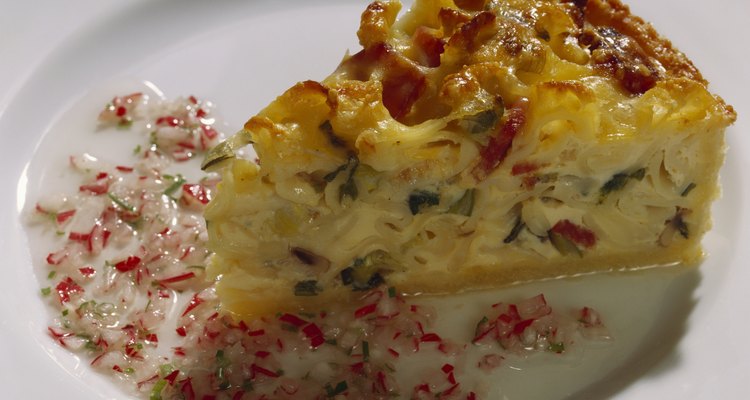
Preparing a light meal at home typically means you are lowering the calorie and fat contents. This is not necessarily an exercise in label reading, but usually a change in ingredients. There are many recipes that can be altered to incorporate a desire for a meal lower in calories. Once certain substitutions are made, there may be a significant reduction in the fat or calorie content.
Substitution Examples
There are many substitutions you can use to make a meal lower in calories and fat. Use ground turkey instead of ground beef for meatloaf or spaghetti sauce. Substitute nonfat milk for whole milk when making sauces. Use low-fat cheeses like feta and part-skim mozzarella in place of high-fat options like blue cheese and brie. Add yogurt to recipes instead of high-fat sour cream. Try to eliminate meat in some of your meals and opt for beans and whole grains like quinoa and lentils. When eating out, choose broth-based soups instead of cream-based, and choose grilled items instead of fried foods.
Baking Light
When baking, most recipes call for oil or butter. This ingredient typically gives you a high-fat end product. Substituting nonfat yogurt or applesauce for the fats in a baking recipe will substantially lower the caloric and fat contents. Likewise, baking with stevia or xylitol as sweeteners will reduce the sugar content. Use unsweetened cocoa powder in place of baking chocolate to lower the calorie and sugar contents. Instead of an egg, use two egg whites.
Related Articles
The Core Plan Food List for Weight ...

What Is the Nutritional Value of an ...

How to Calculate Portions

How to Make Your Own Lean Cuisine

Happy's Pizza Nutrition Information

Can You Substitute Vegetable Shortening ...

El Toro Nutrition

How to Format a Food Menu
Can I Make Caramel Sauce by Melting ...
Meat & Cheese Diet

What Information on a Food Label Is ...
Mineral Oil Vs. Olive Oil

How to Make Teriyaki Sauce
How to Use Rice Milk for Weight Loss
Common Food Emulsifiers

What Do the Numbers Mean on Perfume ...

Spicy Shrimp Roll Calories

Monte Cristo Sandwich Calories
What Vegetables Have Citric Acid?
Garbanzo Beans on the Glycemic Index
References
Resources
Writer Bio
Jill Davis started writing professionally in 2006. She has had articles published in "Yogi Times" and "Orange Pealings" magazines. Davis received a Bachelor of Arts in journalism from California State University, Long Beach.
Photo Credits
Ryan McVay/Photodisc/Getty Images