What Is a Shin Splint?

Shin splints (medial tibial stress syndrome) are a common "overuse injury" suffered by runners, dancers, other athletes and military personnel. Severe pain is the result of stress on the tibia and the connective tissues that hold the muscle to the bone. The pain may be bad enough to cause an athlete to halt a workout. Treatment is straightforward, and activity can be resumed once the injury has healed. Proper precautions should be taken to ensure that the injury does not reoccur.

  1. Symptoms

    • Shin splints cause pain and soreness along the inside of the lower leg. The pain may be worse at the beginning of a workout and ease as exercise continues, or it may be continuous. Other symptoms include mild swelling or knots along the shinbone, tenderness along the shinbone and occasional redness.
      Shin splint pain usually starts out dull, but can be severe enough to interfere with exercise. The pain generally covers an area 4 to 6 inches in length.
      Seek medical care if severe pain in your shin results from a fall or injury, if the shin is hot or inflamed, if swelling is severe or if shin pain persists, even during rest.

    Causes

    • Shin splints are a result of strain on the shinbone and connective tissues that hold the muscle to the bone. Common causes of shin splints include improper or worn-out footwear, running downhill or on a slanted surface, high-impact exercise and frequent stops and starts (as in basketball or tennis). Shin splints usually appear when the frequency, intensity or duration of an exercise program is increased too quickly.

    Diagnosis

    • Shin splints are often diagnosed during a physical examination. The health-care professional will review the patient's physical history, ask about exercise and physical activity and examine the area of discomfort. X-rays may be used to rule out other injuries.

    Treatment

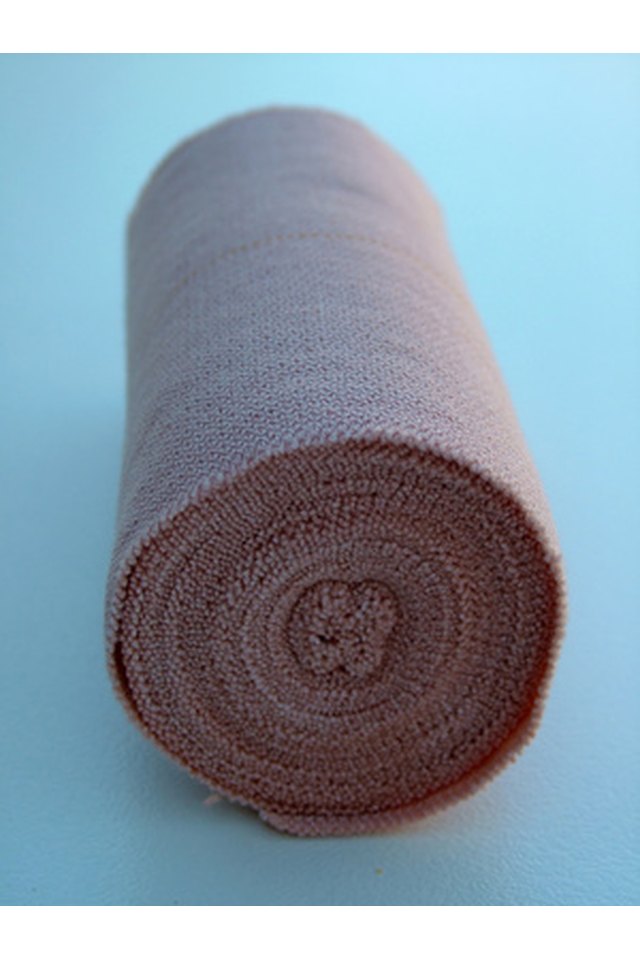
    • Ice and anti-inflammatory drugs can be used to reduce swelling and ease pain in the affected leg. High-impact exercise should be avoided until the injury heals. Lower-impact exercises such as biking and swimming can help athletes stay in shape while the injury heals. Wrapping the affected shin in an elastic bandage or a specially designed compression sleeve may help ease pain, reduce swelling and improve blood flow to the site of the injury. Exercises that stretch and strengthen the muscles of the lower legs and ankles may speed healing and reduce the chances of re-injury. Once shin splints have healed, physical activity should be resumed gradually to avoid re-injury.

    Prevention

    • People who participate in high-impact activities such as running, jumping and dancing should always stretch and warm up before a workout. Stretching the muscles of the lower legs and ankles is particularly useful in avoiding shin splints.
      Proper footwear should be worn. Inappropriate or worn-out footwear can contribute to the development of shin splints. For people who have flat feet or recurring shin splints, orthopedic inserts may be recommended.
      When running long distances, flat, soft terrain is easiest on the legs. Running on a hard surface or up and down hills can cause or aggravate shin splints.
      Increase your physical activity gradually when beginning a new exercise regime or increasing the intensity of your workouts.
      If you notice pain in your shins, do not try to "work through" the pain. It will only get worse, and your recovery will take longer.

Related Searches:

You May Also Like

  • How to Tape & Wrap a Shin Splint

    A shin splint is pain in your lower leg region. The causes include overworking the leg or not adhering to proper warm-up...

  • Shin Splint Recovery

    The strongest bone is your leg is the tibia or shin, which is below the knee. A sports-related injury to this area...

  • Homemade Splints

    A broken bone is incredibly painful and requires immediate medical attention to prevent further injury. A proper splint will stabilize the injured...

  • Shin Splint Cures

    Shin splint pain---pain and tenderness that runs up the tibia (otherwise known as the shinbone)---can keep you from enjoying certain physical activities....

  • Swelling & Redness of the Lower Leg

    Swelling and redness of the lower portion of the leg may indicate a serious medical condition. If you have persistent redness and...

  • How to Put a Splint on a Puppy

    Splinting is done most frequently in cases of a suspected fractured or broken leg. If done properly, you may prevent further damage...

  • Shin Splint Remedy

    The inflammation of the muscle that runs down the front of the lower leg is called shin splints. Shin splints is usually...

  • How to Diagnose Red Moles on Skin

    Red moles on skin can appear alarming. Especially if you've never seen a mark any shade other than brown or black, your...

  • How Long Do Shin Splints Last?

    There are three different types of shin splints, each of which dictates where the pain is felt. The first type, posterior shin...

Related Ads

Featured