




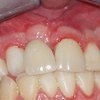
Dental implants are fake replacements for teeth. They are used to replace teeth that have been lost because of tooth decay, gum disease, root canal failure, mouth trauma, wear and teeth of the teeth and congenital defects. Dental implants are commonly considered to be a lot more durable and strong than other tooth replacements such as dentures and bridges. Dental implants can be very expensive, but there are also some low cost dental implant options available as well.
Significance
In order to have dental implants that work successfully, the amount of implants inserted into the mouth have a big effect. In general, dentists will charge their patients based on the difficulty and complexity of the dental implants procedure the patient needs. Dentists believe it works much better when the same dentist works on dental implants in a patient's mouth, instead of using two practitioners for separate procedures.
Considerations
What are the major costs from dental implants? Patients must pay for the actual dental implant itself, as well as the tooth (or teeth even, depending on how many teeth the patient lost) that is going to be placed inside of the implant structure. Rates for this process differ drastically depending on the dental clinic.
Identification
The fees for dental implants have a great range depending on where you are in the country and what kind of dental clinic you are using. For a single tooth restoration, you could expect to pay anywhere between $500 to $6000, which is very broad. On average, restoration of a single tooth in the United States should be somewhere between $1200 and $2500 for the basic implant. However, combining other costs such as gum restoration, your dental implants could end up costing you between $15,000 and $30,000!
Warning
Unfortunately, there really are no low cost or cheap dental implants out there. This is partly because dental implants are not covered by insurance companies, and are actually considered to be a cosmetic procedure. The reason there are no low cost dental implants is because this surgery is extremely time consuming and utilizes a lot of expensive materials. If you inquire at a dental clinic and you feel that the cost of the dental implants is low, you have a right to be suspicious, as it is most likely too good to be true. Not to mention, dentists that conduct dental implants have to go through intensive training before being able to be licensed to perform this surgery.
Potential
Even though low cost dental implants don't really exist, if you are finding it difficult to pay for the procedure all at once, it is always an option to finance your dental implant surgery. Shop around, look at various clinics in your area and compare all the prices you see. Good dental implants look like real teeth and can last you your entire lifetime.
Benefits
A lot of people think dental implants are more expensive and complicated than other forms of tooth replacement. However, dental implants end up, in the long run, actually being a lot more cost effective and smart than a lot of other tooth restoration procedures, because there aren't a lot of repair costs to consider with dental implants, unlike with other processes.