What Is Wheatgrass Used For?
Wheatgrass is a raw, living food. Many individuals claim it is one of nature's "superfoods." Used as an organic supplement, it is a source of living chlorophyll. When it reaches its nutritional peak, wheatgrass contains high concentrations of chlorophyll, amino acids, enzymes, minerals and vitamins.
-
Facts
-
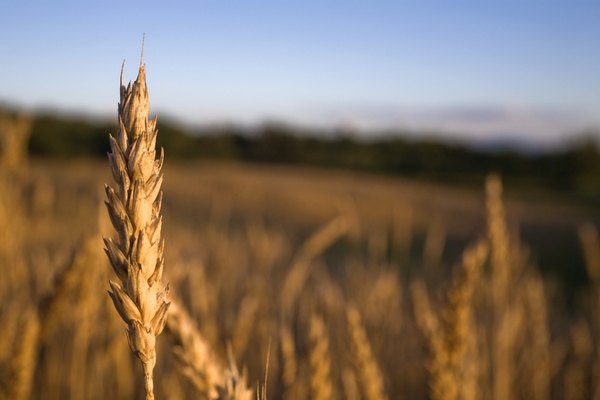
Wheatgrass is a variety of grass similar to barley, oat and rye. Grown indoors, it is used mainly for therapeutic intentions. In 1980, Dr. Chiu Nan Lai of the University of Texas System Cancer Center showed extracts of wheatgrass to be a potent inhibitor of cancer-causing carcinogens, according to information on AnnWigmore.com (see References section). "Applying low levels of the extract to mutagens diminished activity in them by up to 99%," the site states.
Forms of Wheatgrass
-
Wheatgrass is available in natural food stores in juice, powder, capsule, tablet or freeze-dried form. You can purchase it as part of a kit to grow your own or buy it freshly squeezed from a juice bar. Buy wheat berries in bulk to sprout your own wheatgrass.
-
Considerations
-
Consume wheatgrass when blades are 6 to 8 inches tall. The tablet form gives a sensation of fullness. Start with 1 oz. of wheatgrass juice a day. Mix wheatgrass juice with another juice until the taste is tolerable. Always drink on an empty stomach.
Benefits
-
Wheatgrass is high in oxygen due to its chlorophyll content, and wheatgrass proponents claim it rebuilds the bloodstream, detoxifies lymph cells, boosts the body's immune system, prevents and fights against certain cancers, reduces inflammation, and cures chronic sinusitis. They claim that when it is ingested it gives a physical and mental sense of well-being, cleaning the blood, increasing the function of the heart and improving colon functioning.
Nutritional Pluses
-
Wheatgrass is considered a complete protein with high amino acid content; it is a source of antioxidants and vitamins A and C and contains dietary elements such as calcium, iron, magnesium, phosphorus, potassium and zinc.
History
-
Dr. Charles Schnabel began a movement in the 1930s that touted the sometimes-exaggerated benefits of wheatgrass consumption. Ann Wigmore carried on his passion in the 1970s as the pioneer in the usage of wheatgrass and other living foods (see References section).
-
Resources
- Photo Credit bradwieland iStockphoto