History of Gymnastics and Tumbling

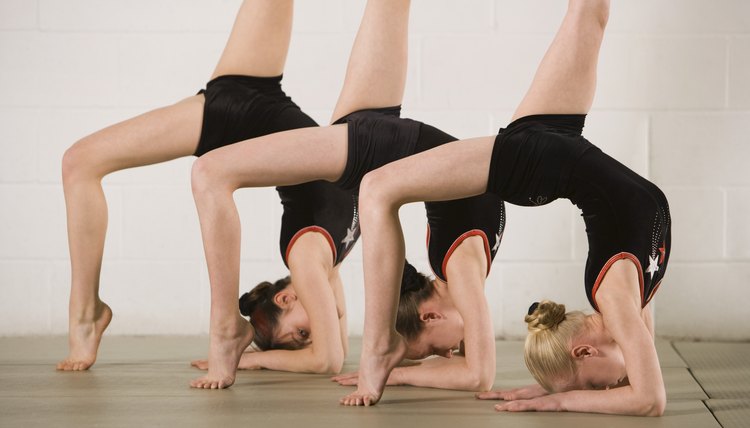
Gymnastics, that fine art of flipping, jumping and cavorting across mats and through the air, is rooted in antiquity. The lineage of tumbling and gymnastics can be traced as a spectator and participant event all the way back to the ancient Olympics, although organized events among Asian cultures are said to have taken place long before then. Our modern Olympic version only began to take shape in more recent times.

  1. History

    • Competitive gymnastics received a boost as a U.S. sport in the mid- 1830s, thanks largely to foreign influence, although a governing body wasn't started until 1883, when the Amateur Athletics Union opened its doors. The AAU pushed for clubs to host championship meets, and by the1996 Olympics 13 years later a handful of nations had ongoing programs. Germany cleaned the house in men's events like the pommel horse and vault, inciting other nations to bolster their programs. By the first world championship seven years later, more European involvement led to an agreement about which events to include in the championships, events inherently different from today's events. Co-ed team events were allowed, but not until the late 1920s could women compete separately. By the early 1950s, an agreement among the sport's international and domestic governing bodies solidified the accepted events for both men and women and approved the usage of the one-through-ten point award system. In recent years, the advent of "power" tumbling (floor routines consisting mainly of successive flips and handsprings) has gained popularity.

    Types

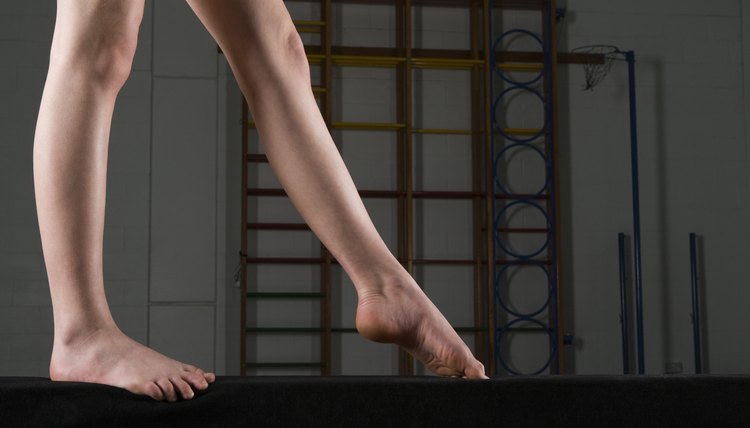
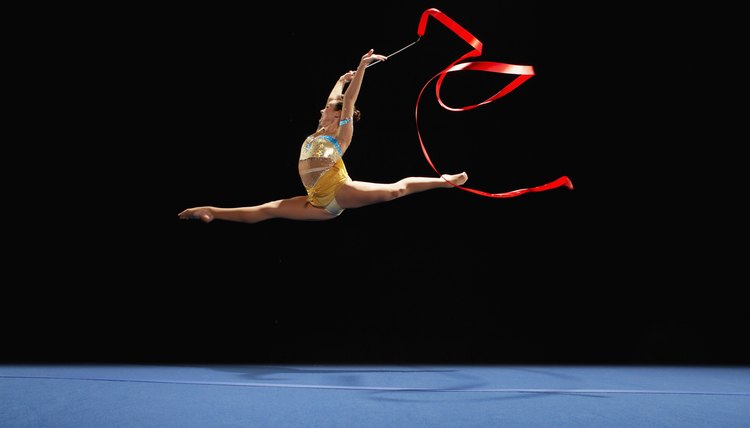
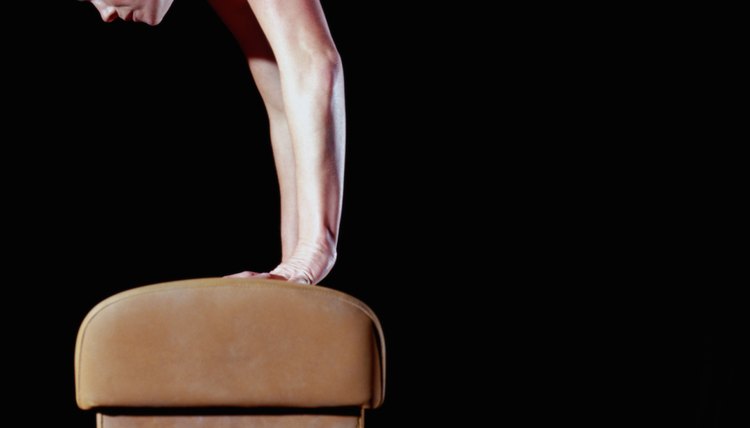
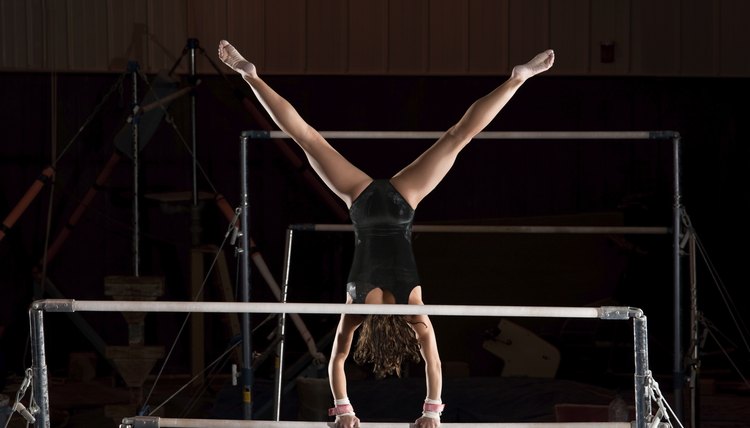
    • In ancient times, participants worked with what they had; luckily, vaulting over a bull from yesteryear has now been replaced with the pommel horse. Besides the horse, men's judged events are now the rings, parallel bars, vaulting, high bar and floor exercises. Popular women's events include the uneven bars, vaulting, balance beam and floor exercises. Competitive rhythmic gymnastics (a combination of light floor gymnastics with dance) is open only to women athletes, despite a growing men's program.

    Features

    • While both sexes begin their gymnastics training at a young age, championship athletes vary in ages. Women's ages range from mid-to- late teens, while men are usually barely into their twenties. Gymnastics schools and camps scour their classes for gifted child athletes, and upon consent and encouragement, the children begin a fairly rigorous total body training regimen. Mastering the necessary skills to compete in the events takes years of discipline, and skills are taught successively by their assigned letter grade of difficulty. The scale runs alphabetically, with "A" considered an easily mastered skill and "E" being the most difficult.

    Geography

    • Several countries run successful national programs that bring home medals in both the Olympics and world championships. Historically, the northern Europeans have dominated, although the U.S. and Asian nations have had a string of win-filled showings, most recently at the 2008 Beijing Olympics. Not without its fair share of controversy, over the years certain programs and teams have come under close scrutiny by the sports community for performance enhancing drug use and allowing ineligible athletes to participate.

    Significance

    • The emergence of U.S. stars and Olympic medal winners such as Shawn Johnson and Nastia Liukin invites young athletes to take an interest in gymnastics, not only to continue the growth of the national program but to encourage exercise in the younger population. As of May 2009, a joint venture between USA gymnastics and Tyson Foods has resulted in a hands-on program called the Tyson Fitness Challenge that touts the benefits of exercise in a fun and educational manner.

Related Searches:

Resources

Comments

You May Also Like

  • History of the Tumble Dryer

    We save hours every week, thanks to tumble dryers. Often taken for granted, the history of the tumble dryer is a story...

  • History of Gymnastics

    In the modern era, gymnastics is an artistic sport. Historically, it's been used to train militaries in China, India, Greece and Rome...

  • The History of Trampoline Gymnastics

    Trampoline gymnastics is closely aligned with the power tumbling form of gymnastics. In the Olympic rules of trampoline gymnastics that predominate in...

  • Directions on How to Use an Edu Science Rock Tumbler

    Rock tumblers are rotary machines that use small engines and a lot of time to shine a rock into a smooth, often...

  • History of Women's Gymnastics in the Olympics

    When most people think of gymnastics, they think of artistic gymnastics. But this is only one discipline of the sport. Thanks to...

  • The History of Olympic Gymnastics

    The sport of gymnastics has been present at the Summer Olympics in some form since the 1896 games in Athens, Greece. Originally,...

  • 'The X-Out' Gymnastics Tumble

    Gymnastics can be a lot of fun especially at the advanced level. Learn some tips on how to do an 'X-Out' in...

  • The Best Tumbler Pigeon Breeds

    Tumbler pigeons are descendants of the rock pigeon. The various tumbler pigeon breeds have all been developed for their ability to tumble...

  • The History of Artistic Gymnastics

    A perfect union of athletics and aesthetics, gymnastics is the oldest Olympic discipline and one of the most breathtaking sports. Artistic gymnastics...

  • History of Rhythmic Gymnastics

    Rhythmic gymnastics is based on the floor routines from artistic gymnastics but combines some of the tumbling aspects with ballet. The most...

  • How to Find Good Rocks for Tumbling

    Purchasing a good rock tumbler is a dream come true for anyone who loves the beauty of tumbled stones and the joy...

  • Rock Tumbling Information

    Rock tumbling became popular in the 1970s, but is still a common hobby for people today who enjoy turning rocks into a...

  • History of Acrobatic Gymnastics

    Acrobatic gymnastics is becoming better known as an individual sport. While often confused with artistic gymnastics, acrobatic gymnastics is a unique sport...

  • How to Make a Tumbling Mat

    A tumbling mat is great for exercise and gymnastics. If you have kids that like to tumble it can make it more...

  • 'The Whip' Gymnastics Tumble

    Gymnastics can be a lot of fun especially at the advanced level. Learn some tips on how to add a half turn...

Related Ads

Featured