Interesting Facts About Neuschwanstein Castle

Interesting Facts About Neuschwanstein Castle thumbnail
Interesting Facts About Neuschwanstein Castle

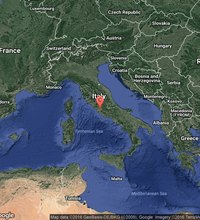
Pretty enough to inspire Disney's Sleeping Beauty castle, Neuschwanstein (New Swan Stone) perches on a tree-covered rock over a gorge in the German state of Bavaria about 80 miles southwest of Munich. This creation of King Ludwig II attracts over 1.3 million visitors each years. Though well-maintained, the castle needs to have its limestone exterior restored from over a century of harsh weather.

  1. Visitor Info

    • The castle is open everyday from 9 a.m. to 6 p.m. (April to September) and 10 a.m. to 4 p.m. the rest of the year. Visit by taking a 30-minute guided tour with $12 tickets available only from the nearby village of Hohenschwangau. (Children under 18 are free.) Parking at the village is $6 per car. From the village, walk for 30 minutes, take a horse-drawn carriage ($12 roundtrip), or take a bus ($6 roundtrip), which requires a steep, 10-minute walk between the bus-stop and castle entrance.

    King Ludwig II

    • King Ludwig II of Bavaria

      Prince Ludwig ascended to the throne of Bavaria in 1864 after the sudden death of his father, Maximilian II. The handsome 18-year-old knew little about governing but was popular with his subjects and unpopular with his ministers. His rule became largely irrelevant in 1870, when Prussia annexed Bavaria as part of the German empire. Inspired by German legends and the music of Wagner, King Ludwig II planned a fantasy castle from which he could rule his own independent kingdom. (Contrary to popular belief, the king financed all his building projects from his own funds and not from the state treasury.) In 1886, his ministers declared him insane and imprisoned him at a castle near Lake Stamberg. A few days later, he was found floating in the lake, dead.

    History

    • Under construction, 1886

      Though, a castle ruin existed on the site as early as the 12th century, stone was not cleared for the new castle until 1868, with the foundation being laid one year later. King Ludwig II used the latest building techniques including steam shovels and encased steel. The Gateway Building was the first to be completed in 1872 and the Palas (main residential building) was finished in 1880. Though he occasionally stayed at the upper floors of the castle when visiting the site, King Ludwig did not officially move in until 1884, even though the final two buildings the Bower and the Square Tower were not completed until 1892.

    Interior

    • White swan (left) in the dining room

      The interior walls feature murals inspired by the operas of Wagner, who was himself inspired by German legend. For example, decorating the king's living room are scenes of Lohengrin, a knight of the Holy Grail, who appears in a boat drawn by a silver swan, which was King Ludwig's heraldic animal. The swan also appears in a silver chandelier, stained glass windows, bedroom fabrics and as a life-sized porcelain model.

    Technology

    • Because King Ludwig enjoyed modern inventions, the castle walls hide technology that was the very latest for the time. Electric bells summoned servants who traveled at night among electric lights. They used an elevator to deliver meals and washed the dishes with hot and cold running water. Additional advancements include central heating, automatic flush toilets and telephones.

Related Searches:
  • Photo Credit Wikimedia commons under GNU Free Documentation License

Comments

You May Also Like

Related Ads

Featured