The Signs of Hip Problems

There are a number of signs that point to hip problems. Once you know what to look for, you can take the necessary steps to alleviate or resolve the problem. Hip problems can cause health symptoms as well as discomfort. Sometimes a doctor can provide non-surgical treatment to relieve the discomfort, but surgery may be a consideration.

  1. Joints

    • When you first experience hip problems, you may feel pain in the joint area. The pain can be significant and can limit your mobility. If you try to bend and place your forehead on your knee, you will not be able to do it on the side of the body that has the hip problem. You won't have a problem performing this task on the other knee.

    Balance

    • If you have hip problems, you may start wobbling back and forth with each step as you walk, similar to the motion of a penguin. You will wobble because you are trying to compensate for the pain by shifting your weight to other parts of the body and off the injured hip.

    Stiffness/Deformity

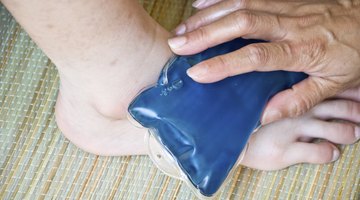
    • If you are sitting in a chair, it may be hard to lift your leg up due to the stiffness, pain and swelling. The area around the joint can swell up and become heated. You may have to apply something to the area to stop or alleviate the swelling. The hip joint can also become deformed, especially if the area is not treated. The symptoms can escalate if nothing is done to help the problem. You can develop pain in the knee, since your hip and knee share some of the same nerves.

    Elevate Leg

    • When you are lying in bed, you can develop significant pain that does not allow you to move your leg. Pain in the back can also develop. The pain can show up in the groin, outer thigh and even the buttocks. When you first wake up in the morning, there will be more pain and your flexibility will be substantially limited. After you start doing a few minor activities, the pain will subside and your flexibility will increase.

    Foot Pain

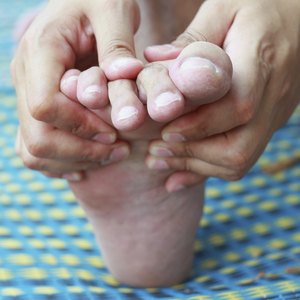
    • As you start walking, you may experience pain in one or both of the feet because you are constantly making adjustments. You can start to walk more heavily on different parts of the feet. The pain in your hip makes you compensate by putting the weight on certain parts of your feet for a period of time. Then you will put weight on another part of your feet once the previous area becomes too painful.

Related Searches:

Resources

You May Also Like

  • Signs of Hip Problems in Dogs

    Many dogs, in particular large and giant breed dogs, have the tendency to develop hip problems. These problems are often recognized during...

  • Hip Problems & Symptoms

    Hip problems can result from a variety of causes including injuries, degenerative diseases and bone problems. The symptoms of hip problems depend...

  • Early Signs of Hip Dysplasia in Dogs

    Hip dysplasia is a genetic disease that causes degeneration of the hip joints. It can affect dogs of any age but most...

  • Signs and Symptoms of Metal Hip-Replacement Rejection

    Total hip replacement, or hip arthroplasty, can be a desirable option for many people who may be experiencing chronic pain or immobility...

  • Signs of Hip Displasia in a Puppy

    Signs of Hip Displasia in a Puppy. Hip dysplasia is a congenital defect that occurs among dogs. This painful condition occurs when...

  • Hip Pain Symptoms

    The hips are at the center of gravity in the human body and carry a lot of an individual's weight. Pain in...

  • Puppy Hip Problems

    Owners can become confused or scared when their puppy begins suffering from hip problems. Unfortunately, for some breeds and bloodlines, hip problems...

  • Hip Fracture Symptoms

    A hip fracture is a serious condition in which a person's hipbone, or femur, becomes cracked or broken, a condition that normally...

  • Back or Hip Problems in Dogs

    Back and hip problems are common in dogs. Medical advances in veterinary medicine can treat such problems more efficiently than they did...

  • Signs and Symptoms of Degenerative Hip Joint Disease

    Degenerative hip joint disease, or osteoarthritis, is a progressive condition resulting in the erosion of the hip joint cartilage and, in severe...

  • Signs & Symptoms of Bone Cancer in the Hip

    Signs & Symptoms of Bone Cancer in the Hip. According to the National Cancer Institute, bone cancer is rare, accounting for less...

  • Lab Hip Problems

    Labrador retrievers are prone to developing hip and elbow problems, according to the My Dog Breed website. Hip dysplasia, a condition that...

  • Canine Hip Dysplasia Symptoms

    Canine Hip Dysplasia Symptoms. Hip dysplaysia in dogs is a condition that causes painful swelling and loss of muscle function in the...

  • Signs and Symptoms of Hip Dysplasia in Dogs

    Signs and Symptoms of Hip Dysplasia in Dogs. Hip dysplasia occurs in young dogs when the animal's hip joint becomes disconnected from...

  • First Signs of Kidney Problems

    First Signs of Kidney Problems. Kidney disease is a common occurrence in elderly people, many of whom experience a general breakdown of...

  • What Are the Symptoms of a Hip Flexor Problem?

    The hip flexors are a group of muscles located in the hips and upper thigh that allow for flexibility in the hip...

  • Canine Hip Problems

    The most common hip problem for dogs is hip dysplasia. However, dogs can also suffer from arthritis of the hips, as well...

  • Symptoms of Hip Dysplasia in Dogs

    Symptoms of Hip Dysplasia in Dogs. Hip dysplasia can involve either one or both of a dog's hips and is most common...

  • Hip Problems in Cats

    Just as in humans, cats can develop problems in their hips, resulting in pain and decreased mobility. Although hip problems are usually...

Related Ads

Featured