Function of Digestive Organs Within the Cardiovascular System
Food intake is important in supplying the body with the nutrition it needs. The digestive system works hard to process the nutrients contained in food, playing a key role in the cardiovascular system in the process. The two bodily functions are tied together because the blood absorbs the vitamins churned from digestion. If the digestive system malfunctions, your circulation will be affected as well.
The Facts
The digestive system includes the vital organs from the mouth to the anus, which receive and digest the food and expel waste. The cardiovascular system, on the other hand, is composed of the heart and the circuit of capillaries, arteries and veins.
Significance
The 4 Parts of the Cardiovascular System
Learn More
The body has an intricate set-up of functions that work together to create a fully functional human being, much like a machine that runs on well-tuned parts. Each part or system coexists with one another, such that when a screw is loose or rusty, problems can occur. The digestive system is linked to the cardiovascular system in the same way. Digestive organs need to be attuned to the heart and its components to ensure that your body functions as it should.
Effects
The proper functioning of digestive organs eliminates or reduces possible harm to the other body functions. One system to which it is closely linked is the cardiovascular system. The heart pumps blood into these vessels, acting as fuel for the body. During digestion, the body produces enzymes to break down the food into smaller pieces. The nutrients derived from food are absorbed in the intestines and into the bloodstream. The blood then flows, spreading the nutrients throughout the body. As the blood circulates, the toxins, on the other hand, are brought to the kidneys for elimination, while carbon dioxide is sent to the lungs.
Benefits
How Do the Walls of the Atria & Ventricles Differ?
Learn More
The relationship between the digestive and cardiovascular systems also works hard when the body has to process a lot of food. The digestive system needs more blood to do the job; therefore, blood vessels expand in preparation for this. Digestive organs stimulate the heart through nerve impulses, sending signals for increased amount of blood. The heart responds accordingly by sending more blood supply to the digestive system.
Warning
Poor dietary habits can lead to serious conditions in the digestive system and can affect the cardiovascular system. High cholesterol processed from rich and fatty foods cause build-up in the arteries, making blood flow slower. Heart disease then becomes a risk.
Related Articles
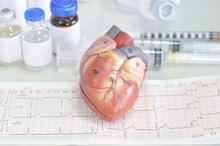
The 4 Parts of the Cardiovascular System
Learn More

How Do the Walls of the Atria & Ventricles Differ?
Learn More
How Do the Walls of the Atria & Ventricles Differ?
Learn More
What Happens to the Circulatory System During Exercise?
Learn More

Is Blood Pressure Higher After Eating & Drinking?
Learn More

Steps of Food Digestion
Learn More
The Effects of Methamphetamine on Arteries & Blood Vessels
Learn More
How the Skeletal System Works With Other Systems in Your Body
Learn More
How Long Does It Take Blood to Circulate?
Learn More

Is Caffeine Bad for the Lymphatic System?
Learn More
Resources
Writer Bio
LaTasha Favors has been writing professionally since 2008. She specializes in travel- and health-related topics and has published articles on various websites, including Search-costa-rica.com and MyFrenchRealEstate.com.