Ablestock.com/AbleStock.com/Getty Images
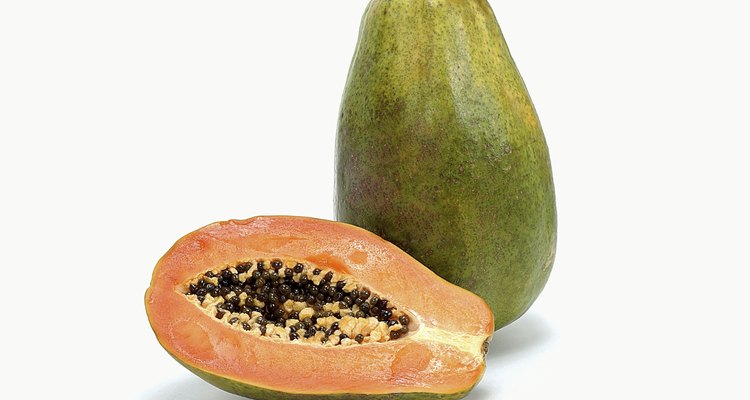
Hair removal can sometimes be painful. Waxes or depilatories with harsh chemicals are often abrasive to the skin, leaving it rough, dry, red or swollen. If you have sensitive skin, this can present a problem every time you go through the processes of removing excessive hair. However, the healing and follicle inhibiting properties of papaya for the skin have been used by many indigenous cultures for years and most aestheticians still use it today
bly – Depilatory Warm Wax
One of the active enzymes in papaya is called papain. Although papain can be used for medicinal purposes, such as an aid to digestion and stomach disorders, applied topically to the skin, this powerful enzyme can break down the hair follicle and prohibit growth, making fine hair less noticeable. It also has the ability to naturally exfoliate the skin so that new skin cells surface, improving the texture and tone of the skin. Papaya, as an ingredient combined with wax, such as bly – Depilatory Warm Wax Jar (Peach-Papaya), softens the skin while prolonging the effects of the hair removal. This product is water soluble and easy to use. Simply heat the wax in the microwave for 2 minutes and spread the wax on the area with a spatula. Press strip on the skin in the direction the hair grows. Then, pull strip off in the opposite direction of the hair.
Hair Removal Remedy
For highly sensitive skin, using depilatories may be too harsh for the skin. This homemade recipe for hair removal has been used for centuries, especially in places where it’s difficult to find an expert in electrolysis or laser hair removal.
Combine 1/4 tablespoon of haldi powder (an Indian spice that gives curry its yellowish tint), 1/4 tablespoon of papaya powder, 1/4 tablespoon of gram flour, 2 tablespoons of mustard oil, 4 tablespoons of aloe vera gel and 2 drops of lavender essential oil. You can also substitute 2 drops of any other essential oil. Mix the ingredients until they form a thick paste. Apply the paste to the area of the skin in the opposite direction of the hair growth. Leave the paste on for 15 to 20 minutes, until it dries. Then, using a cloth, rub the skin in the opposite direction of the hair. Rub a little baby oil on the area to soothe the skin. In order for this method to be effective, the mixture should be applied three times a week for three months. Afterwards, the amount of hair to be removed will have decreased significantly.
Related Articles

How to Make Sugaring Wax

Papaya & Acne
How to Fix Watery Henna

Homemade Sugaring Recipe
Eyebrow Wax Recipes

Treatments for Coarse Facial Hair
How to Soothe Waxed Skin
Yogurt Face Mask for Acne
What Are the Ingredients in Proactiv?

Can Age Spots Be Reversed?
How to Remove Scars With Nutmeg
How to Heal an Inflamed Bikini Area
Corn Starch and Baking Soda to Prevent ...
Avocado Masks for All Skin Types
How to Treat an Ingrown Eyebrow Hair
How to Exfoliate the Face With Honey
Remedies for Permanent Hair Removal ...

Benefits of Shea Butter and Coconut Oil ...
How to Make Facial Masks With Oatmeal & ...
How to Make Facial Wax at Home
References
Writer Bio
Renata Barber is an advertising copywriter in Los Angeles. Her articles on design and travel have appeared in print along with the website eHow. She has scripted media for cable, radio and feature films. Recently, she is the author of two published novels and is currently working on her third.
Photo Credits
Ablestock.com/AbleStock.com/Getty Images