
Uses of Silicon

Uses of Silicon thumbnail
Uses of Silicon

Silicon is a periodic element that is classified as a metalloid. It occurs naturally on earth and is found in large amounts in the earth's crust. Silicon has a variety of uses because it bonds easily with other elements, is an electrical semiconductor, and does not conduct temperature. Also, silicon's many derivatives, including silicone and silica, are widely used as a base for a range of manufacturing products.

  1. Electronic Equipment

    • The production of electronic equipment is one of the most common uses for elemental silicon. Thin silicon wafers are used as the base for photovoltaic sheets, like solar panels. Silicon also provides the structural foundation for computer chips and other aspects of electrical circuits, such as semiconductors, microprocessors, and transistors. Hydrogenated amorphous silicon, an alloy of silicon, is generated in thin strips to become part of LCD television and computer screens.

    Construction Materials

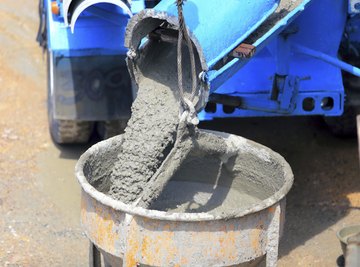
    • Silicon is also widely used in the construction materials. Silica, also known as silicon dioxide, is an essential element in the creation of clay, concrete, brick, sand, and cement. It has a shiny, glittery appearance similar to mica. Silica is also used to make car windshields by fusing a thin piece of glass between two pieces of thick, clear silicon dioxide.

    Automotive Parts

    • Silicon is an essential part of the automotive casting industry. Aluminum silicon alloy is added to liquid iron before it is cast in the shape of a car part to strengthen the resulting shape. The addition of silicon into iron casts also reduces the possibility of iron carbide, a weak and brittle formation of iron that can compromise the integrity of the cast parts.

    Silicone Uses

    • Silicone is a polymer mixture of silicon, oxygen, and carbon that is used in a variety of applications due to its flexibility, malleability, and waterproof qualities. These properties make silicone a versatile material that is used to make, wax, grease, caulk, and certain explosives that require putty packing. Cosmetic surgery also employs silicone to make several different types of implants, including breast implants, buttocks implants, and calf implants, because its supple yet formed shape looks natural under skin.

    Toy Products

    • Certain mixtures of silicon that include small amounts of boric acid have the unique ability to be manipulated and bend into different shapes before returning to its original cast shape, making it a popular ingredient in many toy products. Toys such as Silly Putty, Gumby dolls, and Gak are made with silicon, and bouncing balls and stress balls also include large quantities of silicon. Figurines like My Little Ponies that have slightly pliable surfaces are also formed with silicon.

Related Searches:

Resources

  • Photo Credit Jupiterimages/Photos.com/Getty Images

Comments

You May Also Like

  • How to Use Silicone Bakeware

    Silicone bakeware is high-tech and easy to store and clean, which makes it an appealing option to many bakers. If you want...

  • Common Uses of Silicon Dioxide in Food

    Food manufacturers use silicon dioxide to maintain the consistency of products and to improve their manufacturing processes. The Food and Drug Administration...

  • Uses of Silicon Bronze

    Encyclopedia Britannica describes silicon bronze as a combination of approximately 96 percent copper with small amounts of silicon, manganese, tin, iron and/or...

  • Why Is Silicon Used for Most Computer Chips?

    Computer chips require precise regulation of voltage to manipulate data. According to the Cornell Center for Materials Research, silicon is ideal for...

  • What Kind of Silicone Can I Use on an Aquarium?

    Silicone rubber sealant is an essential tool for home aquarists. This versatile gel repairs leaks, seals seams and bonds objects without upsetting...

  • Silicone Grease Uses

    Silicone Grease Uses. Silicone grease is a waterproof lubricant with a wide array of uses by industries, consumers and laboratories. It has...

  • How to Use Flexible Silicone Bakeware

    Flexible silicone bakeware are cooking trays, mats, molds and pans made from FDA-approved food grade silicone. The bakeware is freezer, microwave and...

  • How to Use a Silicone Baking Mat

    Silicone baking mats prevent food from sticking to the pan in the oven. Since they do not require grease or oil to...

  • About The Use of Silicon Dioxide in Fat Burners

    With new fat-burning supplements being created daily, it's difficult for consumers to keep up with which options are safe and which may...

  • Silicone Lubricant Uses

    Silicone Lubricant Uses. Silicone lubricant is an excellent choice to separate two moving surfaces, though it is not ideal for all lubricating...

  • How to Use a Silicone Muffin Pan

    Silicone muffin pans are designed to easily release the muffins after they have been baked. But because silicone muffin pans are very...

  • Uses for Silicone Adhesive

    Uses for Silicone Adhesive. Silicone is one of the more recently discovered materials, only officially named in the early 1940s. Silicone is...

  • Properties of Silicone Oil

    Silicone is a man-made chemical that is put to use in a staggering number of industries and applications. It is created by...

  • How to Use Silicon Glaze

    Silicon Glaze is a car care product manufactured by Amway that is a silicon-based polish and wax and is designed to protect...

  • How to Use Silicone RTV to Patch Rubber

    Silicone RTV is a type of rubber adhesive used to patch and seal rubber. There are several formulas of silicone RTV, including...

  • Uses for Silicone Spray

    Silicone spray is readily available under various brand names in most major hardware stores. It can be used as a lubricant on...

  • How to Use Clear Silicone Sealant

    Clear silicone sealant has been used for many years to seal windows and doors after installation. It is a good product to...

Related Ads

Featured