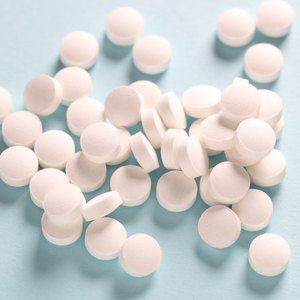
What Is Senna?

People who have suffered from constipation have most likely heard of senna, especially if they've read the back of a laxative box. While not all bowel stimulators include this botanical ingredient in their formula, it is known to be an effective method of treating occasional constipation. Yet, it does pose some problems for some people, namely when taken for an extended period of time.

  1. Identification

    • Senna is basically a natural herb that is used to stimulate the bowels. It is found in a number of commercial laxatives, such as Fleet Natural, Goldline, Swiss Kriss and Senokot Tablets, used to remedy constipation. While you may not see the herb listed in the list of ingredients, it could still be present, as the leaves of the senna are used to produce sennosides, another common ingredient in stimulant laxatives. Sennosides are found in the formulas of Ex-Lax, Senna Soft and Senokot Liquid.

    How It Works

    • Any laxative that contains senna will essentially interact with the bacteria found in your digestive track. This interaction will then cause a contraction within your intestines, producing a bowel movement between 6 and 12 hours after you've taken the supplement. Of course, this is only true when the laxative is used as described on the packaging. Taking more than the suggested amount may cause a bowel movement or even diarrhea in less time.

    Recommendations

    • Currently, the Food and Drug Administration has given senna the classification of "undefined safety," which means that it is thought to be safe, but its effects are still indeterminate. For the average adult, senna should be used only for limited lengths of time as recommended, typically not to exceed four tablets in a 24-hour period and to be used for no longer than 1 week. Using senna for longer periods of time could cause a dependency on the substance and make it possible to have a bowel movement only while using the supplement.

    Side Effects

    • As with any supplement, a laxative containing senna does have some side effects, including nausea or vomiting, diarrhea and abdominal cramps or gas and bloating. While not seemingly severe, you should stop taking senna if you find these side effects worsening or persisting for an extended period of time. Though most of the side effects people encounter while using senna are minor, some people have complained of more significant symptoms, including bloody stools, rectal bleeding, dizziness or lightheadedness, mild to moderate fatigue and even a rapid heart rhythm. Again, you should immediately cease use and contact your doctor.

    Weight Loss

    • There has been some talk about the use of senna (or any laxative) as a tool to lose weight. Besides the negative effects on a person's health, such as low potassium, malnutrition, dehydration, osteomalacia (bone damage), moderate to severe fatigue and intestinal damage, usage doesn't change your caloric intake. It is only ridding your body of excess water, which can also displace the balance of your electrolytes. Using laxatives is not recommend as part of any weight-loss regimen.

Related Searches:

Resources

You May Also Like

  • How to Drink Senna to Lose Weight

    Senna is a type of herbal tea derived from the Senna plant, which is grown primarily in Africa and Asia. Senna is...

  • Nopalina to Lose Weight

    The psyllium and senna in Nopalina help flush the body, with the intention of promoting health and aiding in weight loss. Flushing...

  • Alternatives to Senna Tea

    When people have problems with constipation and they are looking for a natural remedy, senna tea is one of their first choices....

  • Homeopathy for Weight Loss

    There are many different factors that contribute to weight gain, and individuals can become overweight, or even obese, by eating unhealthful foods...

  • How Does Vinegar Help You Lose Weight?

    Drinking apple cider vinegar can aid in the digestion of carbohydrates and help people lose weight. Absorb few calories and learn how...

  • What Is Senna Leaf?

    "A number of popular laxative products comprising phenolphthalein as a major ingredient have been taken off from the market following reports that...

  • Can a Senna Laxative Be a Colon Cleanser?

    Because the colon is one of the primary organs used for internal detoxification and elimination, colon cleansing can be an integral part...

  • Dangers of Senna Tea

    Senna tea is a popular herbal laxative used for the relief of constipation. Many people find it very effective as a natural...

  • Prune and Senna for Chronic Constipation

    Constipation, though common, is a symptom of a disorder. Insufficient water intake and a lack of fiber consumption are two leading causes...

Related Ads

Featured