


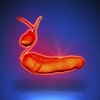


The gallbladder secretes bile which helps breakdown fats in the digestive tract. This bile comes from the liver to the gallbladder and then on to the stomach. If the tubes from the liver become blocked from the formation of stones, gallbladder symptoms such as acid reflux, nausea and vomiting can arise until the stones dissolve or pass. The gallbladder is not a necessary organ in the body and can be removed and the patient can live a healthy life without it.
Symptoms
Symptoms of gallbladder disease can be nausea, vomiting, a low grade fever, dark colored urine and a yellowing of the eyes and or skin. Abdominal pain is also associated with gallbladder stones as they become lodged in the tubes not allowing the bile to pass through. Pain will remain until the stones dissolve or pass.
Complications
Consuming large amounts of fatty foods can trigger a gallbladder attack since the main function of the gallbladder is to break down fat in foods. If the bile from the liver is being blocked by stones, the fat cannot be broken down resulting in indigestion, gas, burping and the feeling of being overly full. Although these symptoms can be the result of other medical problems, it’s wise to keep a journal of foods that affect you negatively.
Gallbladder Attack
A gallbladder attack may occur after a large meal but can also occur from blockage from gallstones. It may start as a feeling of indigestion and move on to more intense pressure in the stomach and in some instances chest pains that may feel like a heart attack. The duration of these symptoms can be a few minutes to several hours.
Diagnosis
If your physician suspects gallbladder disease from your list of symptoms, he will first order a blood test to check for any abnormal levels of liver or pancreatic enzymes. The blood test will also show if there are signs of infection. If the results of the blood test come back positive, your physician might order the following tests. Ultrasonography uses sound waves as opposed to X-rays to display images of your organs. It is one of the best ways for your doctor to see if gallstones are present. Another tool in detecting gallstones is a CT scan. The CT scan uses computer generated X-rays in order to look at your organs.
Gallbladder Attack
When a gallbladder fails, it releases toxins into the body and becomes an emergency situation. Since the pain can be extreme, the patient will normally seek medical treatment immediately. The procedure to remove the gallbladder is called a cholecystectomy and can be performed either with traditional surgery or laparoscopically. Removing the gallbladder prevents the formation of gallstones and does not hinder the health of the patient.
Prevention/Solution
Although you can’t entirely prevent gallbladder disease, you can lower your risk for it. Maintain a healthy weight and do not participate in crash diets. Exercising on a regular basis and eating a diet that is low in fat and high in fiber can help in deterring the formation of gallstones.
References
Writer Bio
Constance Barker, located in the hills of southern Ohio, is the owner and writer of several financial, credit report and travel websites. She started writing in 1999 for private clients and began creating website content in 2004. She gained expertise in home improvement after she and her husband built their home themselves.