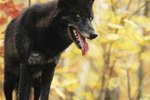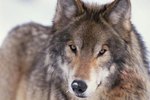

At one time, wolves were second only to human beings in their global range. This range was only possible due to their adaptability, both physically and behaviorally. While their physical adaptability permits them to live in varied climates, it is the wolves’ behavioral adaptations that make them successful. Wolves have complex social structures based on equally complex family, pack and communication behaviors.
Pack Behaviors
Wolf pack populations can number from a few individuals to several dozen members. Packs usually consist of an alpha pair and their offspring. The alpha pair, contrary to popular belief, does not lead the pack. Rather, the alpha pair is free to breed and is given free choice of resources. An alpha pair is generally selected by psychological strength, rather than physical strength
If a wolf pack is large enough, it will also have “beta” ranked wolves, which are direct subordinates to the alpha pair. These wolves may breed but do not have the resources necessary to raise pups successfully. Finally, a wolf pack may have one or more “omega” wolves. Omega wolves are lowest in rank. The omega wolf may be involved in raising the alpha pair’s pups or may be the one that bears the brunt of the other wolves’ ill will.
Family Behaviors
A female wolf will give birth to 1 to 11 pups after eight weeks of gestation. The alpha pair produces the only litter that the pack will raise each year. The freedom and resources available to this pair enables them to raise pups to maturity and gives the pack a better chance at future survival. However, the entire pack is responsible for raising this litter. Betas and omegas babysit the pups when the parents are out hunting. After the pups are weaned, other pack members also carry additional food back to the den for the pups. This food is regurgitated when the pups nip at the adult wolves’ faces to signal their hunger.
Associations with Other Animals
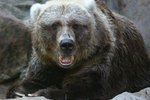
Wolves have a combative relationship with other predators, such as mountain lions and grizzly bears. Although they are known to kill foxes, particularly in the arctic, wolves will typically leave them alone. Wolves and ravens appear to share a symbiotic relationship, however. Ravens will follow a hunting wolf pack in the hopes of stealing bits of food from the kill. In addition, hunting wolves also look for ravens circling in the air above them, knowing that the ravens are watching sick or injured deer or elk in hopes of scavenging a meal.
Howling Behaviors
Wolves howl for a variety of reasons, including family bonding, hunting, and communicating with wolves outside the pack. Although all wolves will howl in the same key, each wolf has his or her own specific voice. Wolves will typically join in when a single wolf starts howling. Wolves howl in different pitches and the pitch of each wolf’s howl starts low and rises as the howl continues, creating an illusion that the pack is larger than it really is.
Resources
Photo Credits
-
Tom Brakefield/Stockbyte/Getty Images