About Cherry Lumber

About Cherry Lumber thumbnail
About Cherry Lumber

Cherry lumber is a type of hardwood that's prized for its durability, attractive grain and warm glow.
Cherry lumber is used for cabinetry, furniture, hardwood flooring, beams and fireplace mantels, as well as small decorative objects and tool handles. Does this Spark an idea?

  1. Geography

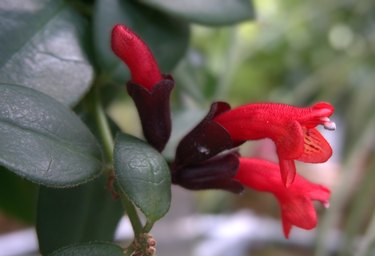
    • Cherry trees are native to regions around the Northern Hemisphere, but certain varieties also grow in tropical regions, such as the Barbados cherry tree.
      In the United States, the Allegheny regions of Pennsylvania and Virginia are known for their cherry wood forests. Cherry trees are most plentiful in Eastern Asia.

    Types

    • Some of the best cherry lumber comes from the American black cherry tree. The lumber from these trees have the reddish quality the wood is known for and will take a very high polish.
      Other names for American black cherry are capulin, chokecherry, escarpment cherry, mountain black cherry, Rum cherry and wild black cherry.

    Features

    • Whether the source is heartwood or sapwood (the external part of the tree), cherry lumber will have a strong scent. Depending on the type of tree, sapwood lumber will have a light pink or whitish color. The heartwood will range from a deep red to red-brown. All types of cherry lumber will have knots and streaks.
      Cherry lumber will darken on its own. If stain is used, gel stains are recommended over water-based stains.
      Woodworkers often don't stain lumber. If it is sealed with an oil-based polyurethane, it will darken to a rich brown with a hint of red.

    Considerations

    • When considering the different types of cherry lumber for your home or project, one possibility is recycled cherry lumber. There are a variety of outlets that sell recycled and reclaimed cherry wood posts and beams, flooring and antique cherry wood

    Warnings

    • Staining a piece of cherry wood can result in very uneven results. If a consistent looking stain is accomplished, it often will not last because cherry ages in unpredictable ways, leaving blotched areas that detract from the wood's natural beauty. Consult with an experienced woodworker before staining any cherry wood, to achieve the best result.

Related Searches:

Resources

  • Photo Credit http://static.howstuffworks.com/gif/lumber-1.jpg

Comments

You May Also Like

Related Ads

Featured