About Pregnancy Test Kits
Pregnancy test kits are typically performed at home by women who are trying to become pregnant or think they may already be pregnant. Pregnancy test kits are also sometimes performed in an obstetrician's office before the first prenatal appointment. Although some pregnancy test kits use blood samples to determine if a woman is expecting, the term generally refers to urine tests that measure hCG, a hormone that increases during pregnancy. Pregnancy test kits are an accurate and affordable way for women to determine pregnancy status from the first day of a missed period...or perhaps even earlier.
-
Significance
-
Pregnancy test kits allow for early pregnancy testing from the privacy of home and at the woman's convenience. Earlier detection enables expectant mothers to begin prenatal care earlier. This has been shown to be beneficial to both mother and baby. Pregnancy test kits are an affordable alternative to expensive obstetrical visits, especially when a pregnancy has not yet been confirmed. Early detection also gives a woman more time and greater flexibility when determining what to do about an unplanned pregnancy.
Function
-
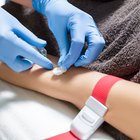
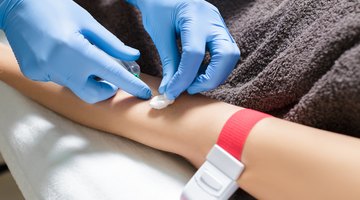
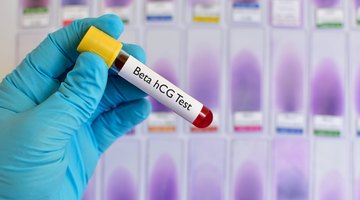
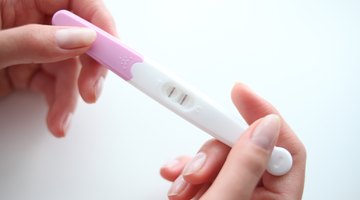
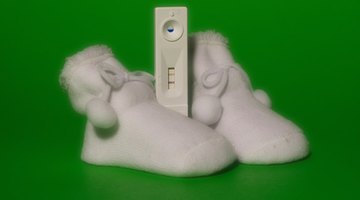
Pregnancy test kits measure the level of a hormone called hCG in a woman's urine or blood. When performing a urine pregnancy test kit, first morning urine is typically required. The test kit is put into contact with the urine, and chemicals inside the kit react to the hCG (if there is any) and respond. A positive result is generally indicated by a change in color or the development of a line or other symbol on the test kit results window. Blood tests also measure the level of circulating hCG, but they are able to detect pregnancy earlier than urine tests. Moreover, blood tests can sometimes predict how advanced the pregnancy is based on the specific amount of hormone detected.
-
Types
-
Urine kits typically come in two types. There are those that use a dipstick or test strip that is held in the urine stream for a specific amount of time, and there are those that require the collection of urine in a cup followed by dropping urine into a testing device. Test strips are the most commonly used. That's due to their ease, convenience and availability at most pharmacies and grocery stores. The sensitivity of urine tests vary, but most claim to be able to detect hCG as early as the first day of a missed period. However, according to the United States Department of Health and Human Services, a study performed on 18 over-the-counter home urine pregnancy tests showed that only one brand was able to detect hCG this early. The other pregnancy kits tested detected only 15 percent of pregnancies.
Blood tests can generally detect pregnancy earlier than urine tests, sometimes as soon as 6 days following ovulation. Blood tests come in two types: qualitative and quantitative. Qualitative tests only for the presence of hCG in the blood, but quantitative measures the exact level of hCG and can be used to date the pregnancy.
Benefits
-
Pregnancy test kits provide a number of benefits to women who are trying to conceive or who believe they may already be pregnant. When done correctly and according to the manufacturer's directions, they are accurate 97 percent of the time. Compared to office visits and traditional blood tests, they provide an affordable option for testing, and they may be the only reasonable option for women who have no medical insurance. They can be performed at home--with no training--and take as little as 5 minutes to complete.
Considerations
-
It is crucial to follow the directions on any pregnancy test kit exactly. Failure to follow the directions may produce an inaccurate result. While some pregnancy test kits will detect a pregnancy as soon as the first day of a missed period, other tests may not be sensitive enough to detect sufficient levels of hCG until a week or more after a period is missed. A negative result does not necessarily mean you are not pregnant, and a positive result should always be confirmed by an obstetrician.
-
Resources
- Photo Credit Josh Parrish http://www.flickr.com/photos/keylime/15516848/