
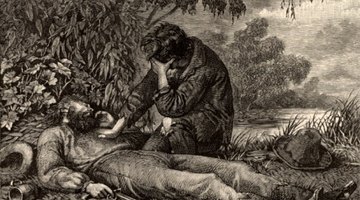

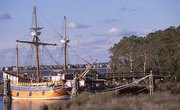
When early European explorers boarded ships to explore the world, they were using inaccurate maps, undependable navigation techniques and leaky ships to sail into uncharted lands. They understood well that the voyage could cost them their lives. While they did not run into sea monsters or sail off the edge of the world as some expected, but they nevertheless endured terrible hardships.
Aboard Ships
Even in good weather, life on a ship during the age of exploration was difficult. Even with regular use of pumps, ships leaked and most of the ships interior was wet. Roaches and rats were constantly present and sailors slept whenever they could find time and wherever they could find room. The unsanitary conditions could lead to a rapid spread of disease. Provisions were also a concern, without any clear idea of where they were going provisions could run short and the poor diet could lead to malnutrition or scurvy, which is caused by a lack of vitamin C.
Lost at Sea
With poor maps and navigation techniques ships could easily become lost. Even in the best of conditions, hurricanes and tropical storms were always a concern. Ships could become marooned and have to wait until they could make repairs or replenish supplies before sailing again. Henry Cabot, his crew and passengers were lost at sea and their ultimate fate is still unknown. Henry Hudson, his son and the crew that remained loyal were set adrift by a mutinous crew who wanted to return home.
Disease
When explorers encountered new people they exchanged diseases as well as goods. Diseases such as influenza and small pox caused untold deaths among American Indians. Diseases such as malaria, dysentery and yellow fever caused many deaths among ships crews. Some of these, especially yellow fever, were spread to other ports the sailors visited. The word quarantine comes from early shipping. In 1377, in an effort to prevent plague, ships approaching Venice were held at a distance for 40 days or "quaranta giorni."
Winter
When explorers and early settlers encountered North American winters for the first time they were rarely prepared. Winters in North America, particularly in the northern regions, were much colder than those of southern Europe. The first English Colony on Roanoke Island in what is now North Carolina is know known as "the Lost Colony." The entire original colony disappeared and repeated archaeological investigations haven't solved the mystery. The first French colony started by Samuel de Champlain in Quebec saw only nine of 32 settlers survive the first winter.
Related Articles






References
Writer Bio
Justin Beach has been writing for more than a decade, contributing to a variety of online publications. He has a Bachelor of Science in computer information systems and additional education in business, economics, political science, media and the arts.