About the Chemical Makeup of a Potato
Long a dietary staple in Europe and the Americas, in recent years the potato has gained popularity world wide, due in part to its impressive crop yield. However, it's not just the amount of potatoes that can be grown per acre that makes them an obvious solution for feeding a hungry population. It's what's in potatoes that makes them worth eating.
Identification
By weight, the average russet potato is about 78.3 percent water. After water, starches and sugars compose the bulk of the potato's chemical content at about 18 percent. Non-digestible carbohydrates--or fiber--in the form of cellulose and pectin make up another 0.4 percent of the potato. Another 2.2 percent of the potato is protein, 0.1 percent is fat, and the last 1 percent is non-organic mineral compounds, mostly in or on the peel.
Function
What Causes a Coppery Taste in Potatoes?
Learn More
Carbohydrates including sugar, starch and plant fiber are what make the potato a particularly good food. Carbohydrates are chemicals made of carbon, hydrogen and oxygen, which combine to form molecules of various sizes. The complexity of the molecule determines the carbohydrate's function. Sugars are the smallest and simplest carbohydrates; they provide quick energy. Potato starch is slightly more complex than sugar, but still simple enough that it's a relatively quick energy source.
Misconceptions
If you shun the potato, fearing that it's full of empty starch calories, you can pick up your fork and dig into a tasty spud once again. A generous helping of potassium--as much as 46 percent of the average adult's daily requirement--is among the chemical constituents of the potato, along with other minerals. This combined with the potato's rich supply of carbohydrates makes the potato a superb energy food for athletes, and a nutritious staple starch upon which to build a balanced diet.
Considerations
Vitamins & Minerals in Potatoes
Learn More
The chemical content and nutritional value of a potato changes depending upon how it's stored and how long it's stored. At temperatures around 40 degrees Fahrenheit, enzymes break potato starches down into simpler sugar molecules, resulting in a sweet tasting potato. This is why potatoes, especially those with a higher starch content, should not be refrigerated. The vitamins in a potato change with storage too. The potato is not known for its vitamin C content. This is not because vitamin C does not occur in the plant, but because it is lost during storage and cooking.
Warning
Potatoes turn green when exposed to light, due to chlorophyll production. In the potato, the production of chlorophyll also signals the presence of solanine--a toxic chemical common to all potatoes and other members of the nightshade family. A slightly green potato seldom poses any risk to humans and the solution is simple--peel or cut away the green portions of the potato before using it. However, if the interior of the potato is green, discard it.
Related Articles

What Causes a Coppery Taste in Potatoes?
Learn More
Vitamins & Minerals in Potatoes
Learn More
Carbohydrates and Fiber in Onions
Learn More

Japanese Sweet Potato Nutrition
Learn More
Nutrient Facts About Idaho Potatoes
Learn More
Nutritional Value of Potato Starch & Corn Starch
Learn More
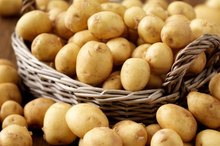
The Glycemic Index of Potatoes
Learn More
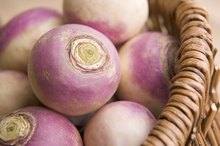
Turnip Vs. Potato Nutrients
Learn More

The Ingredients in Instant Mashed Potatoes
Learn More
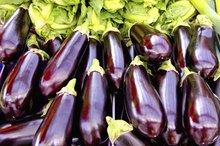
List of Foods That Contain Nicotine
Learn More