




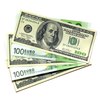
Whether you’re traveling to a foreign country or you just happen to have some euros laying around that you would like to change to U.S. dollars, a bank is a good place to convert your money to a different currency. By choosing the bank instead of a money exchange center, you will likely save yourself exchange and processing fees.
Find a bank where you can change your money. Not all banks feature money exchange services. Call your local bank and ask before stopping by. Your best bet, especially if you’re looking to get a less common currency such as Swiss Francs, is to go to a large bank near a city or a tourist destination. If this is not convenient for you, try a bank that is a national chain, like Bank of America. You do not have to have an account at a particular bank to change your money there.
Look at the exchange rate. Most banks that change money will have the exchange rates posted, either on a window or wall. If not, ask a branch employee what the day's rate is. You can also research exchange rates on the Web before you head out. There are lots of currency converter sites available. All you have to do is type in your dollar amount.
Go to the bank. Depending on the bank you’re using, you will either have to go to the regular teller window or to a special window that is specifically set up for currency exchange. Just hand the teller your cash and tell him which currency you would like changed over. The teller will hand you an envelope with the money in the currency you requested.
Tip
If you have plenty of time to change your money over, watch for trends in the exchange rate. Remember, the better the rate, the more cash you will get when you change your money over.
You can always get local currency from an ATM in a pinch. Most will accept Visa or MasterCard debit cards, no matter where you are in the world.
Exchange rates change all the time. Just because you receive one rate today does not mean you will receive the same rate tomorrow.
Tip
-
Don’t carry a lot of cash when traveling. About $50 to $100 should be enough for emergencies. Travelers checks can be replaced if lost or stolen, but cash cannot.
Avoid money exchange counters in or near airports and train stations unless you want to pay a hefty fee.
Photo Credits
- Keith Brofsky/Photodisc/Getty Images