About Zinnias

About Zinnias thumbnail
About Zinnias

Once a widely ignored weed, zinnias have become a staple for countless homes and gardens. Whether it is because they are easy to care for, their diverse uses or their sometimes breathtaking mixture of colors, the wide range of variety exhibited in zinnias have turned them into a long-time favorite among amateur gardeners and professional horticulturists alike. Does this Spark an idea?

  1. History

    • Originally native to Mexico, zinnias in their ancestral form were derided as ugly, purple-red weeds. By the middle of the 18th century, German botanist Dr. Johann Gottfried Zinn had identified the Zinnia genus. By 1796, plant breeders had cultivated the wild zinnia into a double-flowered version of the original. And by the 1920s, Bodger Seeds Ltd. introduced to the world to both the Giant Dahlia and California Giant breeds, both still available today. Zinnias have since become one of the most popular bedding plants in the Western world.

    Identification

    • Zinnias can flower in nearly any color, except for true blue, brown or black. The popularity of zinnias comes, in no small part, because even individual petals can vary, with multiple colors per petal. The flowers themselves can range from ½ to 7 inches wide, although they may be single, semi-double or double. Even their height can range from 8 inches to 4 feet. Zinnias are most notable for their single, long-stemmed flowers wreathed in bright colors.

    Types

    • Of the 20 species of zinnias, a few species have become regular sights in gardens, but even these few species sport dozens of distinct cultivars. The most common garden species, the Zinnia elegans, includes the 3.5-inch, dahlia-like Border Beauty, the semi-double, lime-green Envy, and the old-time, original California Giant. Two species, the Zinnia graniflora and the Zinnia tenuifolia, have become popular ornamental plants. And Zinnia angustifolia, also known as narrow-leaf zinnia, has earned a following as a low-maintenance ground cover.

    Considerations

    • Zinnias thrive best in warm, sunny locations. To that end, they are best planted indoors four to six weeks before the final frost of the season, or in warm garden soil after the frost has passed. They require well-drained soil, which gardeners often fertilize twice a month. Zinnias germinate in five to seven days and have few pests (like aphids, or occasionally spider mites in hot and dry conditions). Some zinnias are vulnerable to powdery mildew, but proper spacing and air circulation can help to prevent outbreaks. Some varieties are even resistant to powdery mildew.

    Function

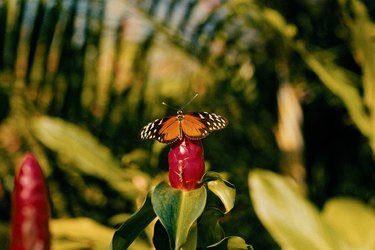
    • Depending on the cultivar, gardeners can plant zinnias as edge, border or background plants. Planting zinnias close together can produce longer stems to be used later as cut flowers. And zinnias are known to attract adult butterflies, which can add beauty to most any garden.

Related Searches:

Resources

  • Photo Credit Image: Britannica Online Encyclopedia

Comments

You May Also Like

  • How to Grow Zinnias

    No flowers are easier to grow than zinnias - just plant, stand back and watch them grow into cheerful, brilliantly colored blooms...

  • Mildew-Resistant Zinnias

    Powdery mildew affects many ornamentals, trees and shrubs, and zinnias are no exception. This fungal disease causes white mildew to develop on...

  • About Zinnia Flowers

    Zinnia flowers are available in 20 species and have large, vibrant blooms. These hardy flowers are easy to care for and can...

  • Varieties of Zinnias

    Zinnias were named for Dr. Johann Gottfried Zinn, a German botanist who wrote about the plants in the 1700s. Plant breeders in...

  • Zinnia Pests

    In bloom from spring through the beginning of fall, zinnia flowers add bright solid and combination colors to your garden, with a...

Related Ads

Featured